Prostate
Calcium supplements and prostate cancer risk: why the evidence does not fit a simple rule
Randomized and observational studies give different signals; calcium decisions should begin with bone and dietary needs, not cancer claims.
Prostate supplement research, urinary symptoms, saw palmetto, nutrient claims, screening context, and questions for your clinician.
Randomized and observational studies give different signals; calcium decisions should begin with bone and dietary needs, not cancer claims.
CoQ10 can change blood exposure and oxidative-stress markers, but prostate trials do not establish it as a stand-alone treatment.
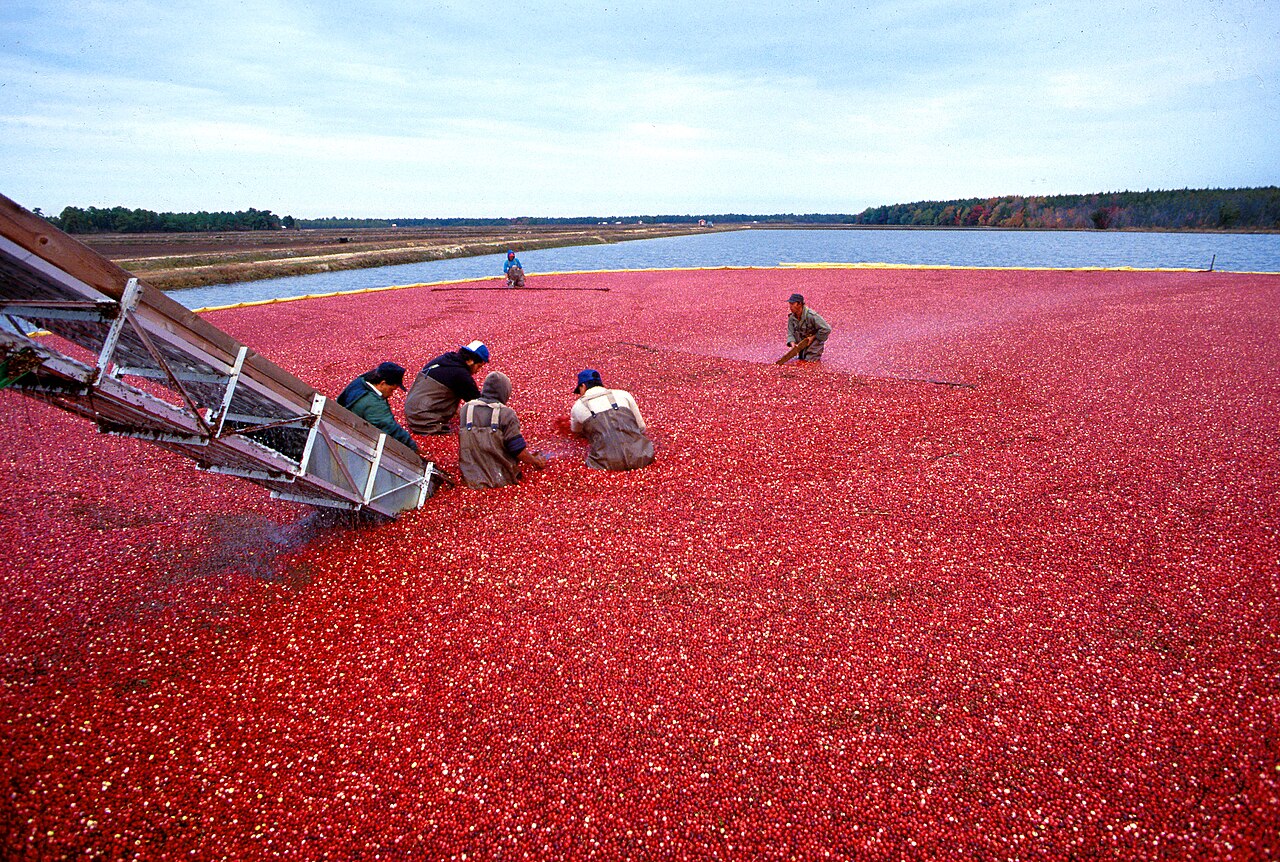
Small trials report symptom changes with defined cranberry powders, but they do not establish treatment for BPH, infection or prostate cancer.
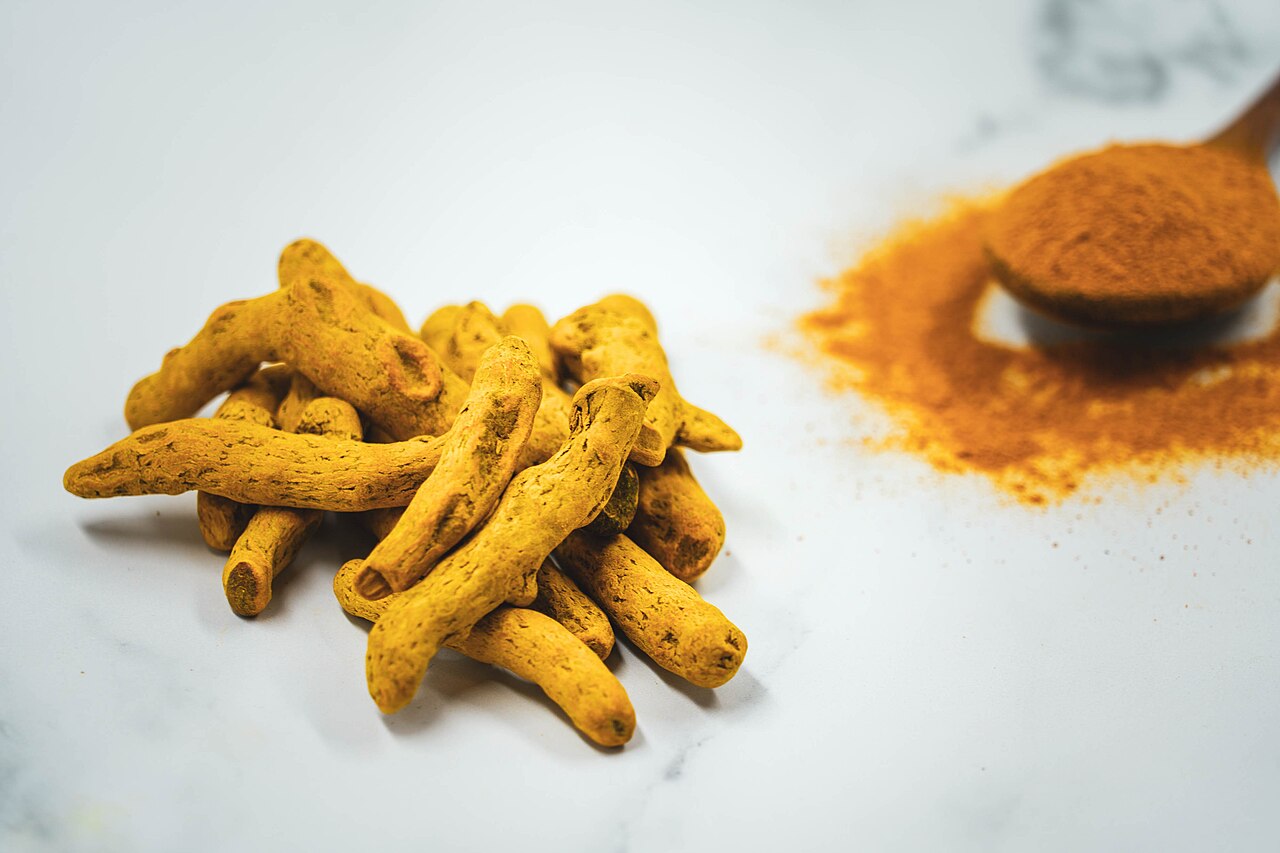
Curcumin studies address different diseases and endpoints; adjunctive BPH findings do not prove prostate cancer treatment.
Presurgery trials found changes in tumor-proliferation markers, but they did not test recurrence, metastasis or survival.
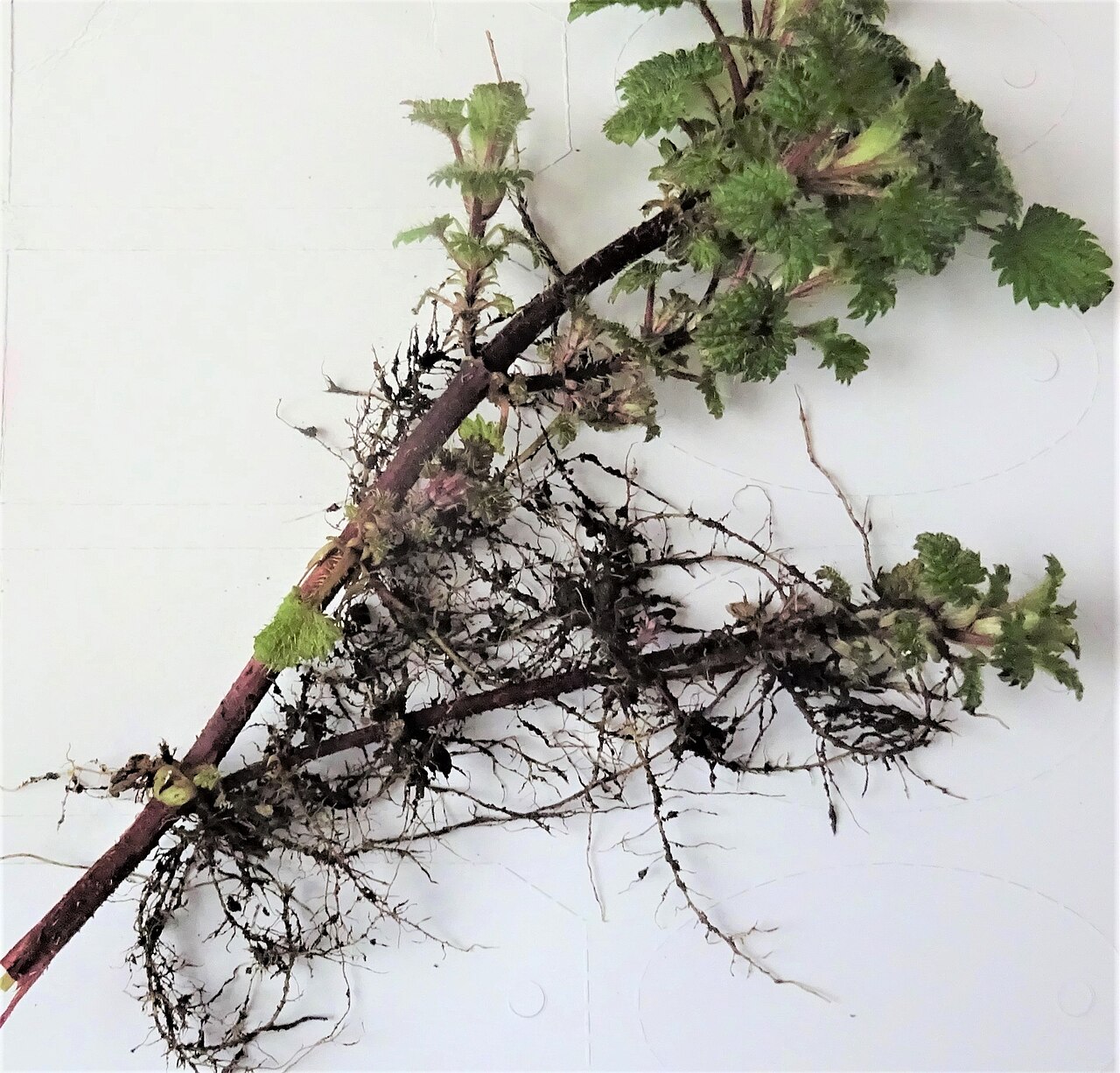
Trials of specific nettle-root extracts report mixed symptom and flow findings; they do not validate every Urtica dioica product.
Older trials suggest short-term symptom improvement, but they do not establish long-term safety or prevention of BPH complications.
Early pomegranate studies raised interest, but placebo-controlled trials did not establish a reliable cancer-control benefit.
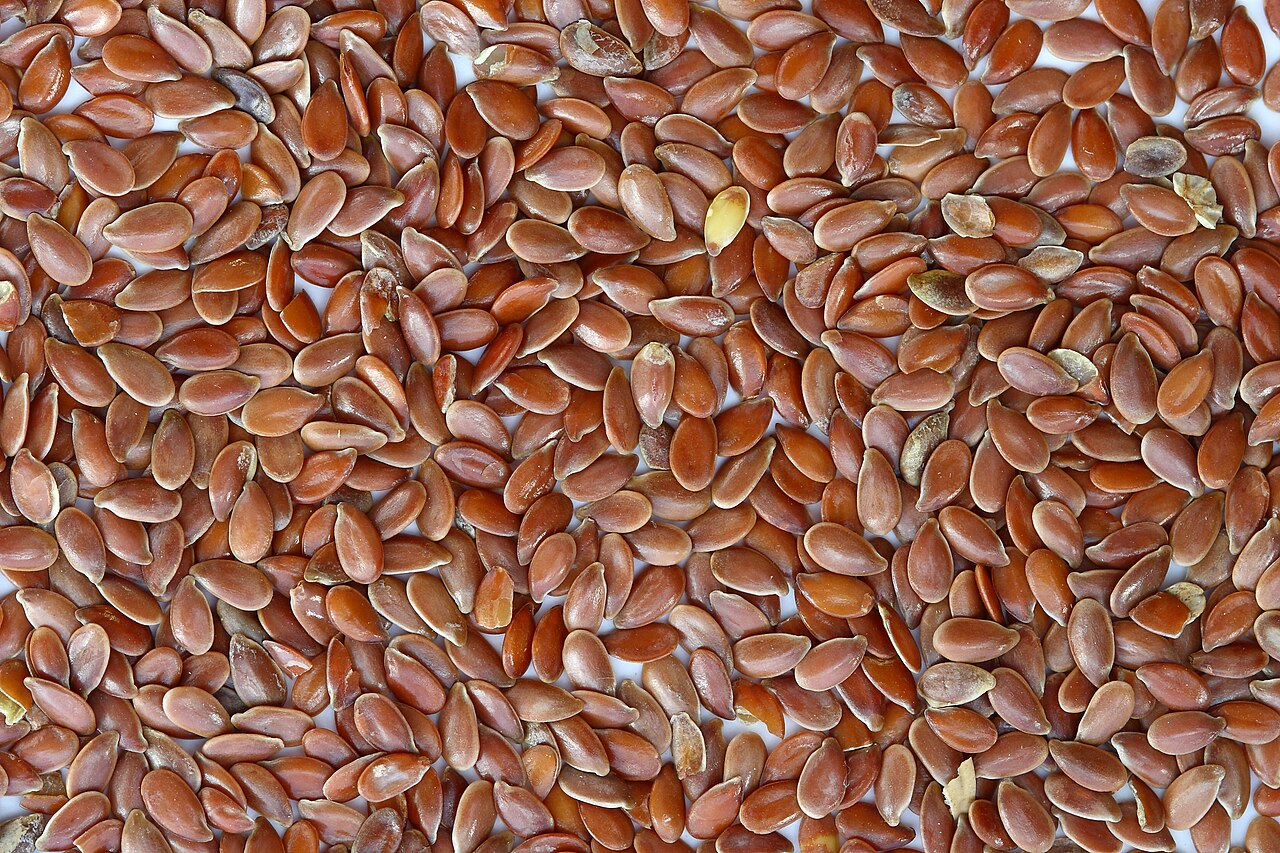
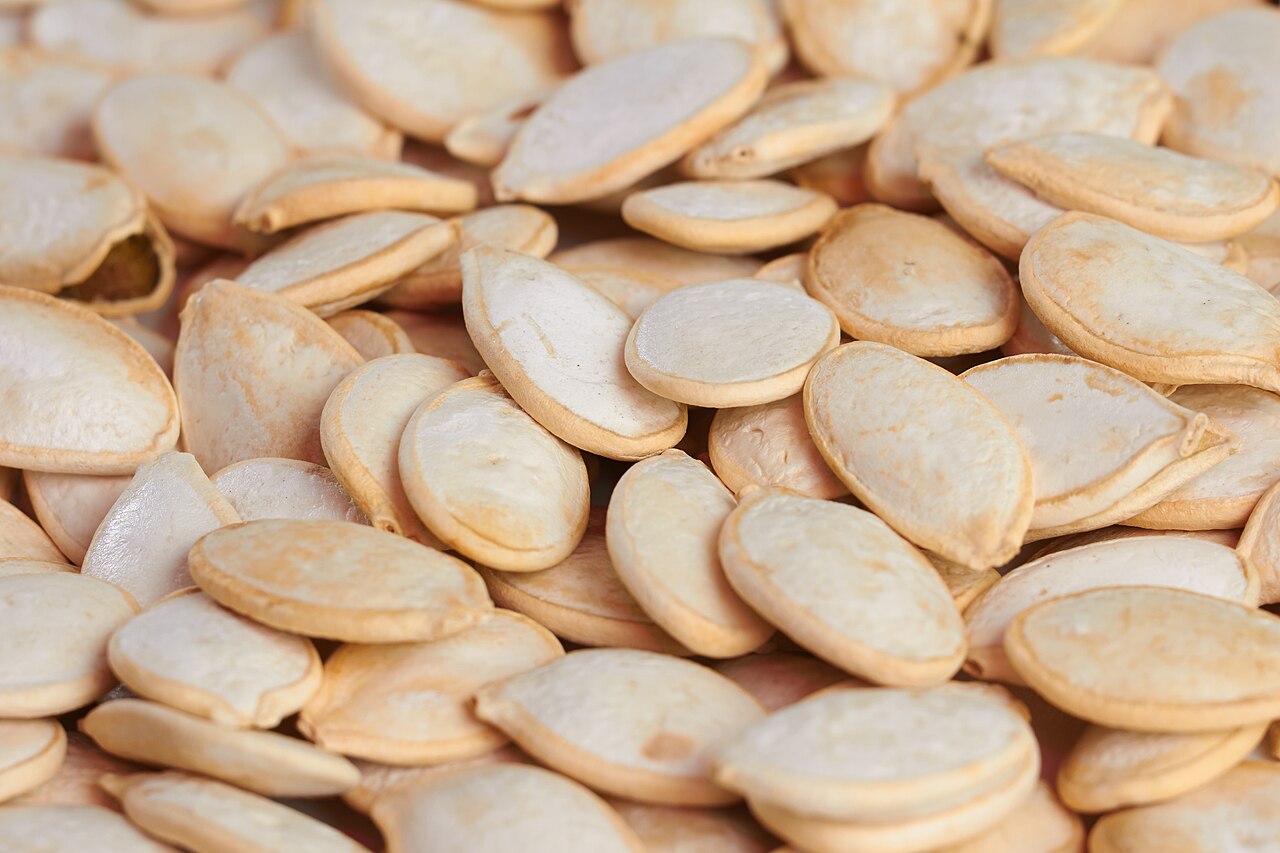
Trials have tested whole seeds, extracts and oils with mixed designs; the form and comparator determine what a result can support.
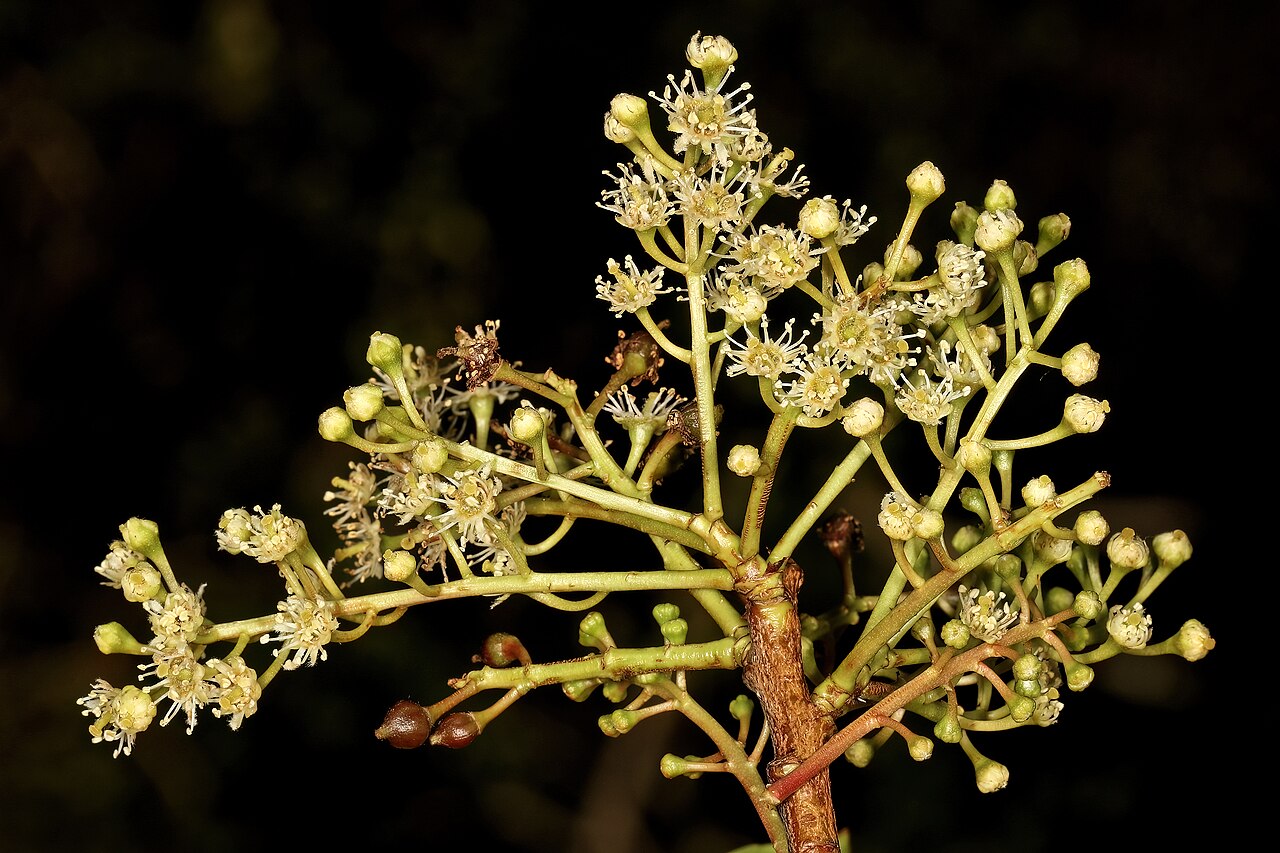
Pygeum trials reported modest short-term changes, but variable extracts, brief follow-up and dated methods limit modern conclusions.
A small placebo-controlled study found symptom improvement, but modern reviews still call the evidence preliminary and condition-specific.
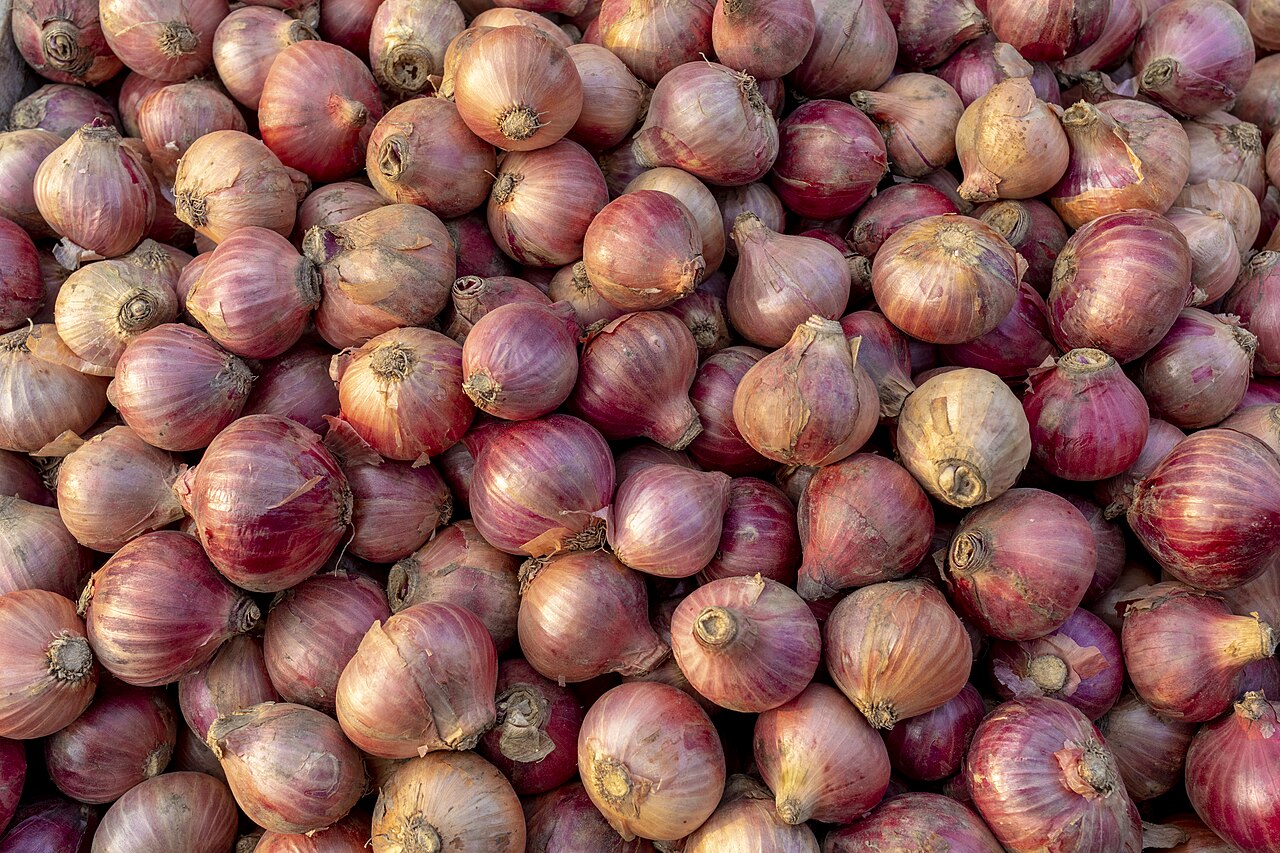
Small, older trials suggest an effect on some symptoms, while flow, prostate size and long-term outcomes remain uncertain.