Beta-sitosterol for BPH: what the trials can—and cannot—show
Older trials suggest short-term symptom improvement, but they do not establish long-term safety or prevention of BPH complications.
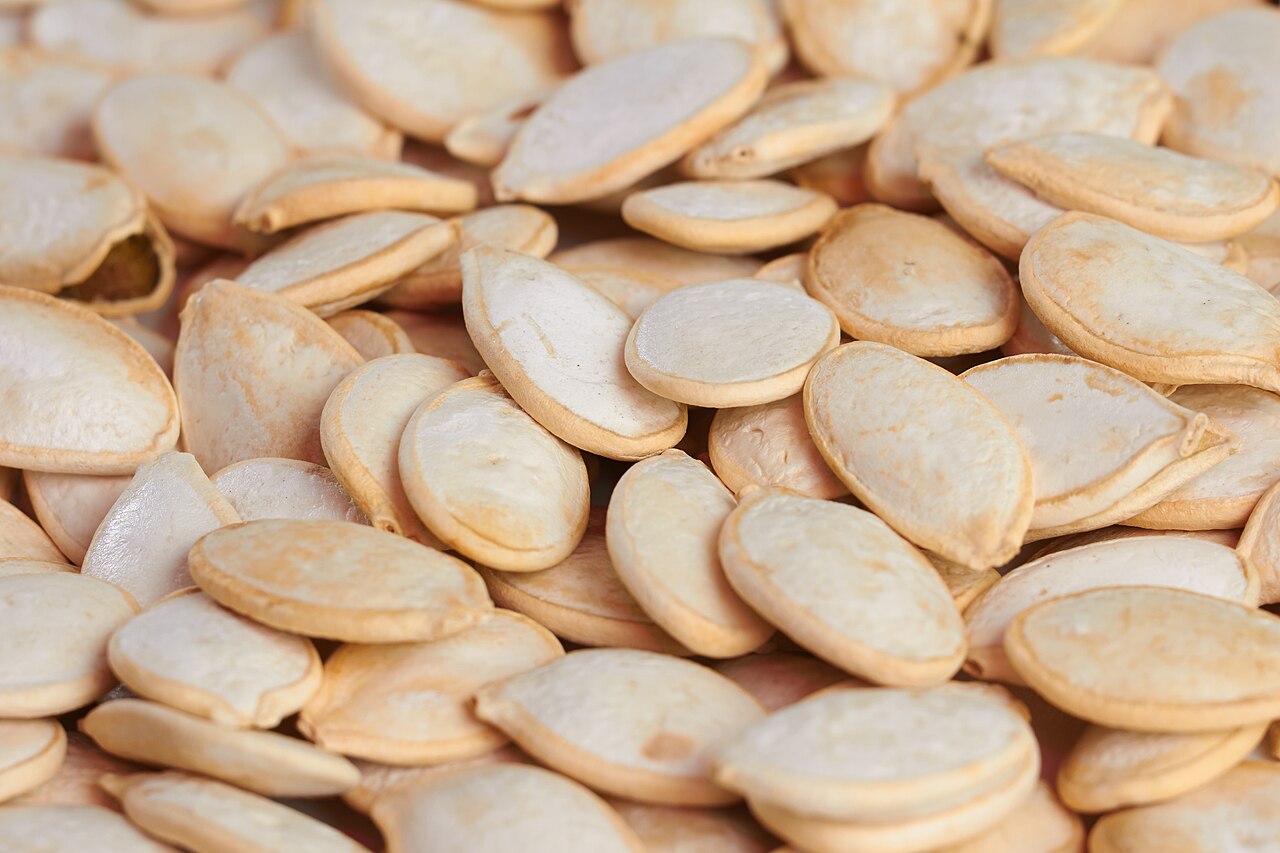
Beta-sitosterol has limited short-term trial evidence for urinary symptoms, not proof of shrinking the prostate or preventing complications.
Why beta-sitosterol appears in prostate products
Beta-sitosterol is a plant sterol found in foods and sold in concentrated supplements. It appears in many prostate formulas because several randomized trials tested phytosterol preparations in men with lower urinary tract symptoms attributed to benign prostatic hyperplasia, or BPH. That history makes it more than a purely theoretical ingredient, but it does not make every modern bottle equivalent to the preparations studied.
A Cochrane review pooled four randomized, placebo-controlled trials involving 519 men. The review found improvements in symptom scores and some urinary-flow measures over treatment periods lasting four to 26 weeks. It also reported no meaningful reduction in prostate size. That distinction matters: feeling better for a few months is not the same as reversing enlargement or changing the disease course.
The studies were short and the products varied
The evidence base is old, small by current standards and built from more than one phytosterol preparation. One multicenter trial randomized 200 men to beta-sitosterol or placebo for six months and reported better symptom and flow results in the supplement group. Still, a single standardized study product cannot validate every proprietary blend that lists beta-sitosterol somewhere on its label.
Dose alone is not enough to prove equivalence. Extraction, composition, serving size and accompanying ingredients can differ. A product may use the familiar ingredient name while providing a preparation that was never tested. When a seller cites a trial, the practical question is whether the exact material and daily amount match—not whether both labels contain the words beta-sitosterol.
Symptom relief is not complication prevention
The Cochrane reviewers explicitly said long-term effectiveness, safety and the ability to prevent BPH complications were unknown. Trials lasting weeks or months cannot answer whether a supplement reduces future urinary retention, infections, kidney problems or the need for a procedure. Those outcomes require larger studies and longer follow-up than the available beta-sitosterol trials provided.
This is also why an improvement in a symptom questionnaire should not be translated into cancer prevention. BPH is not prostate cancer, and the trials did not test beta-sitosterol as a cancer treatment or screening tool. A lower symptom score does not establish what caused the symptoms, exclude another condition or determine whether a clinician should investigate them further.
Compare evidence with current care options
Contemporary BPH care begins with an assessment of symptom severity, medical history and the possibility of other causes. Depending on the situation, management can include watchful waiting, behavior changes, prescription medicines or procedures. A supplement trial from the 1990s does not compare cleanly with every current option, nor does it determine which choice fits a particular person's goals and risks.
If someone wants to try beta-sitosterol, it is reasonable to define the hoped-for outcome in advance: fewer interruptions, less urgency or a meaningful change on a validated symptom score. It is equally important to set a review point with a health professional. Continuing indefinitely because an ingredient is plant-derived goes beyond what the short trials established.

Use the label as the start of the discussion
Bring the full Supplement Facts panel, not only the ingredient name. List medicines and other supplements as well, because combination products can create overlap or interaction questions. New, worsening or severe urinary symptoms deserve evaluation rather than a prolonged self-test. An inability to urinate requires prompt medical attention.
The measured conclusion is neither that beta-sitosterol is proven nor that the trials showed nothing. The evidence suggests possible short-term symptom benefit from certain preparations, with important unanswered questions about long-term outcomes and product matching. That is a useful, limited finding—and a much narrower claim than many prostate-support labels imply.
Questions a trial summary should answer
When reading a beta-sitosterol claim, ask how many participants were studied, how long they were followed and whether the comparison was placebo or another treatment. Check whether the reported change was in a validated symptom score, urine flow, prostate size or a complication. These outcomes do not mean the same thing. Also look for dropouts and adverse-event reporting, because a product can seem effective when incomplete follow-up is ignored. If the commercial page does not identify the study product clearly enough to compare it with the bottle, the evidence match remains uncertain. A transparent seller should be able to explain the preparation and its limits without converting a short-term symptom result into a promise of permanent prostate protection.
Sources & further reading
This article provides educational information. Ask a qualified clinician or pharmacist about your symptoms, medical conditions, medicines and supplement interactions.