Curcumin for prostate conditions: separate BPH symptoms from cancer claims
Curcumin studies address different diseases and endpoints; adjunctive BPH findings do not prove prostate cancer treatment.
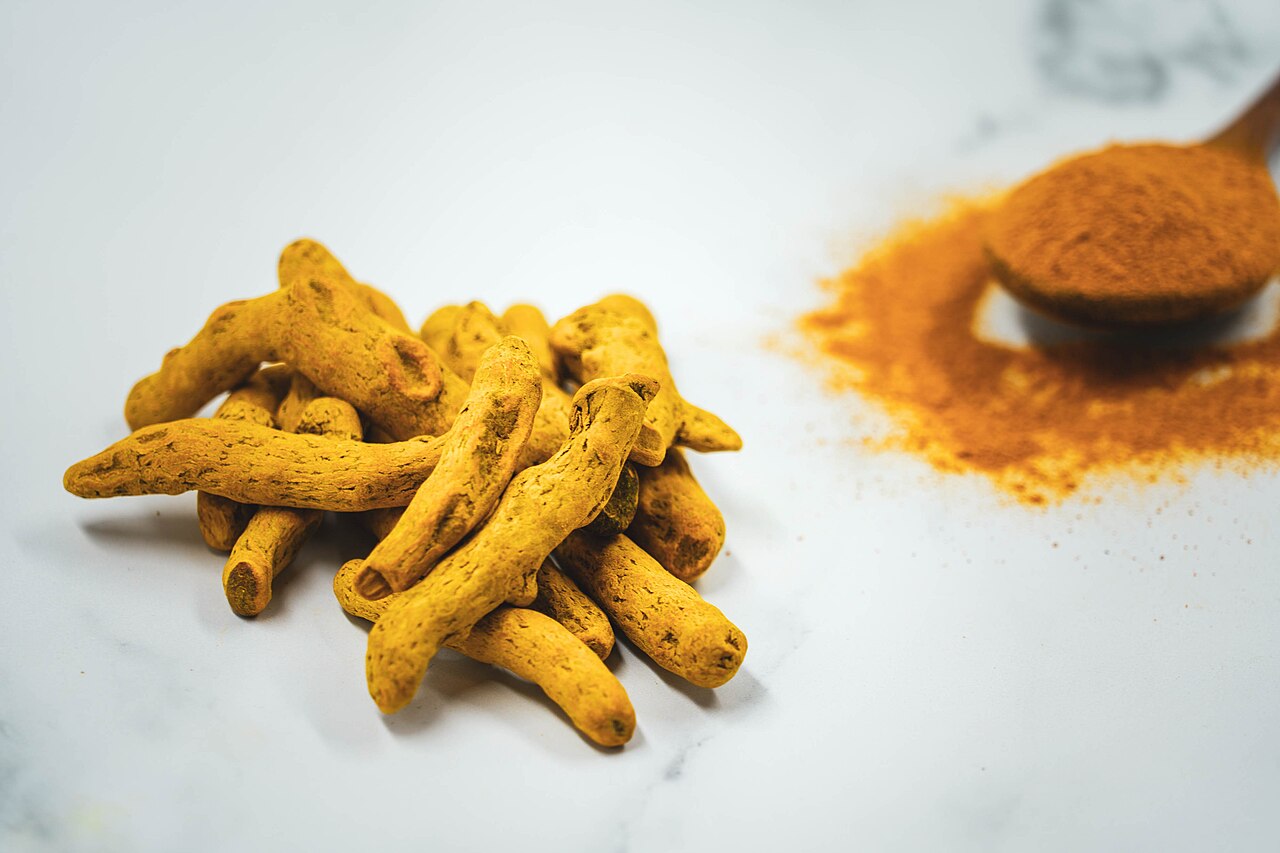
Curcumin has emerging adjunctive BPH data, while prostate-cancer trials have not established a durable treatment benefit.
One ingredient can be marketed across unrelated prostate problems
Curcumin, a compound associated with turmeric, is promoted for inflammation, urinary symptoms and prostate cancer. These uses sound connected because they mention the same organ, but they are different clinical questions. BPH, chronic pelvic pain and prostate cancer involve different populations, outcomes and standards of evidence.
A 2026 systematic review and meta-analysis examined curcumin in men with BPH who were also receiving alpha blockers and, in some studies, 5-alpha-reductase inhibitors. The pooled results favored curcumin for symptom scores and several functional measures, but the authors emphasized substantial heterogeneity and variability in study design.
Adjunct evidence is not evidence for replacement
When a supplement is added to standard therapy, the trial tests the combination—not the supplement as a substitute. A favorable adjunctive result cannot show that curcumin works by itself or that a reader should stop a prescribed medicine. It also may not identify whether the benefit depends on the particular background treatment.
The 2026 review included randomized and nonrandomized comparative studies and several formulations. Those differences limit certainty about the size of the effect and the product that might reproduce it. A pooled average does not turn every enhanced-absorption curcumin capsule into the studied intervention.
The prostate-cancer trial answered a different question
A randomized, double-blind trial enrolled 97 men receiving intermittent androgen-deprivation therapy for prostate cancer. Curcumin did not significantly lengthen the off-treatment period, the trial's primary endpoint. Although fewer participants had PSA progression during the six-month administration period, overall PSA change, testosterone and quality of life did not differ between groups.
The negative primary endpoint should anchor the interpretation. A favorable secondary finding can generate a hypothesis, but it does not establish cancer control, delayed metastasis or longer survival. Marketing that highlights only the secondary PSA result removes the hierarchy built into the trial design.
Formulation and bioavailability do not guarantee a clinical outcome
Curcumin is often sold with piperine, lipids or proprietary delivery systems intended to increase exposure. Greater absorption may be measurable, but it is not automatically a greater benefit. Each formulation needs safety and effectiveness data for the outcome being claimed.
Combination products create another problem. A formula containing curcumin, broccoli compounds, pomegranate and green tea cannot use a study of isolated curcumin as proof for the blend. Conversely, a blend trial cannot reveal curcumin's individual contribution.

Keep expectations tied to diagnosis and endpoint
Men with urinary symptoms should be evaluated for the cause before using an anti-inflammatory narrative as a diagnosis. Men receiving prostate-cancer treatment should disclose curcumin because supplement use belongs in medication and treatment planning. Neither group should use it to delay recommended evaluation or therapy.
The fair conclusion is conditional: curcumin may have an adjunctive role in BPH symptom research, but heterogeneous studies leave the best formulation and long-term value uncertain. In prostate cancer, available trials do not support describing it as established treatment.
How to read the next curcumin headline
Identify the condition, the exact preparation, the background treatment and the prespecified primary outcome. Then ask whether the result was a symptom score, PSA, prostate volume, treatment-free time or a patient outcome such as progression. A mechanism involving inflammation is not a shortcut across those categories. The more precisely a study is described, the less room there is for a universal prostate-health promise.
Safety is formulation- and person-specific
Curcumin is often treated as harmless because turmeric is used in food. Concentrated supplements deliver a different exposure, and added piperine or other absorption technology can change how the product behaves. A person taking anticoagulants, antiplatelet medicines, diabetes drugs or several supplements should review the full formula with a pharmacist or clinician. Surgery and cancer treatment create additional reasons to disclose use. Trial reports of good tolerability apply to the tested preparation and follow-up period; they are not a permanent safety certificate for every dose. The same product-specific discipline required for efficacy also belongs in the safety discussion.
Sources & further reading
- Curcumin versus placebo in benign prostatic hyperplasia: a systematic review and meta-analysis ↗
- A randomized, double-blind, placebo-controlled trial of curcumin in prostate cancer patients receiving intermittent androgen deprivation ↗
- Curcumin for the treatment of prostate diseases: a systematic review of controlled clinical trials ↗
This article provides educational information. Ask a qualified clinician or pharmacist about your symptoms, medical conditions, medicines and supplement interactions.