Testosterone
Max T Review: A Detailed Men’s Wellness Guide for Prostate-Conscious Shoppers
Explore Max T’s current botanical formula, nutrient amounts, saw palmetto context, human ingredient research, daily convenience, and current purchase terms.
Adrian Hale is one of five editorial pen names used by Prostate Health Digest. This is a publishing byline, not a claim of personal medical qualifications or an individual reporter’s biography.
Read our editorial standards for the publication’s production and sourcing practices.
Explore Max T’s current botanical formula, nutrient amounts, saw palmetto context, human ingredient research, daily convenience, and current purchase terms.
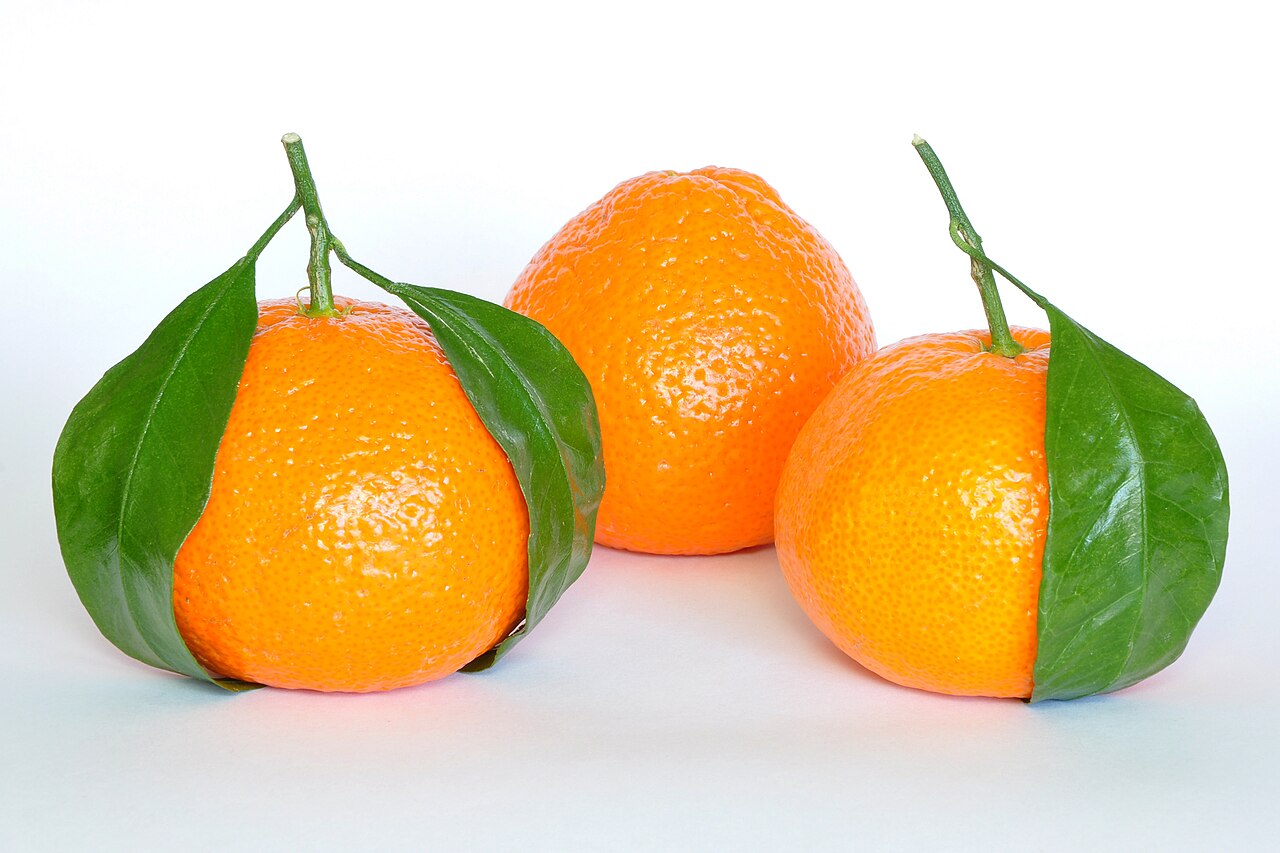
Phase II studies report longer PSA doubling times, but without placebo groups they cannot show that modified citrus pectin caused the change.
A small phase I study reported PSA responses in a minority of men, but it lacked placebo control and cannot establish cancer treatment.
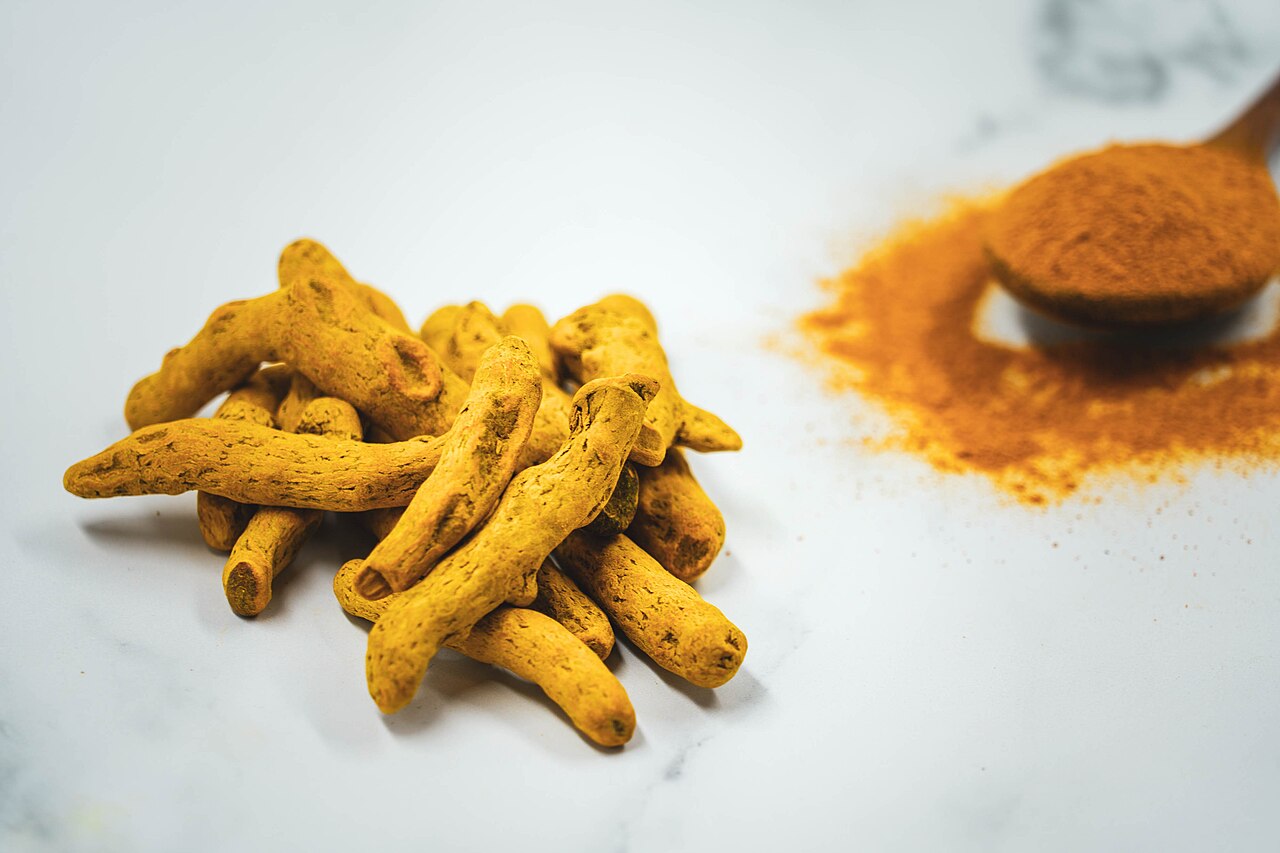
Curcumin studies address different diseases and endpoints; adjunctive BPH findings do not prove prostate cancer treatment.
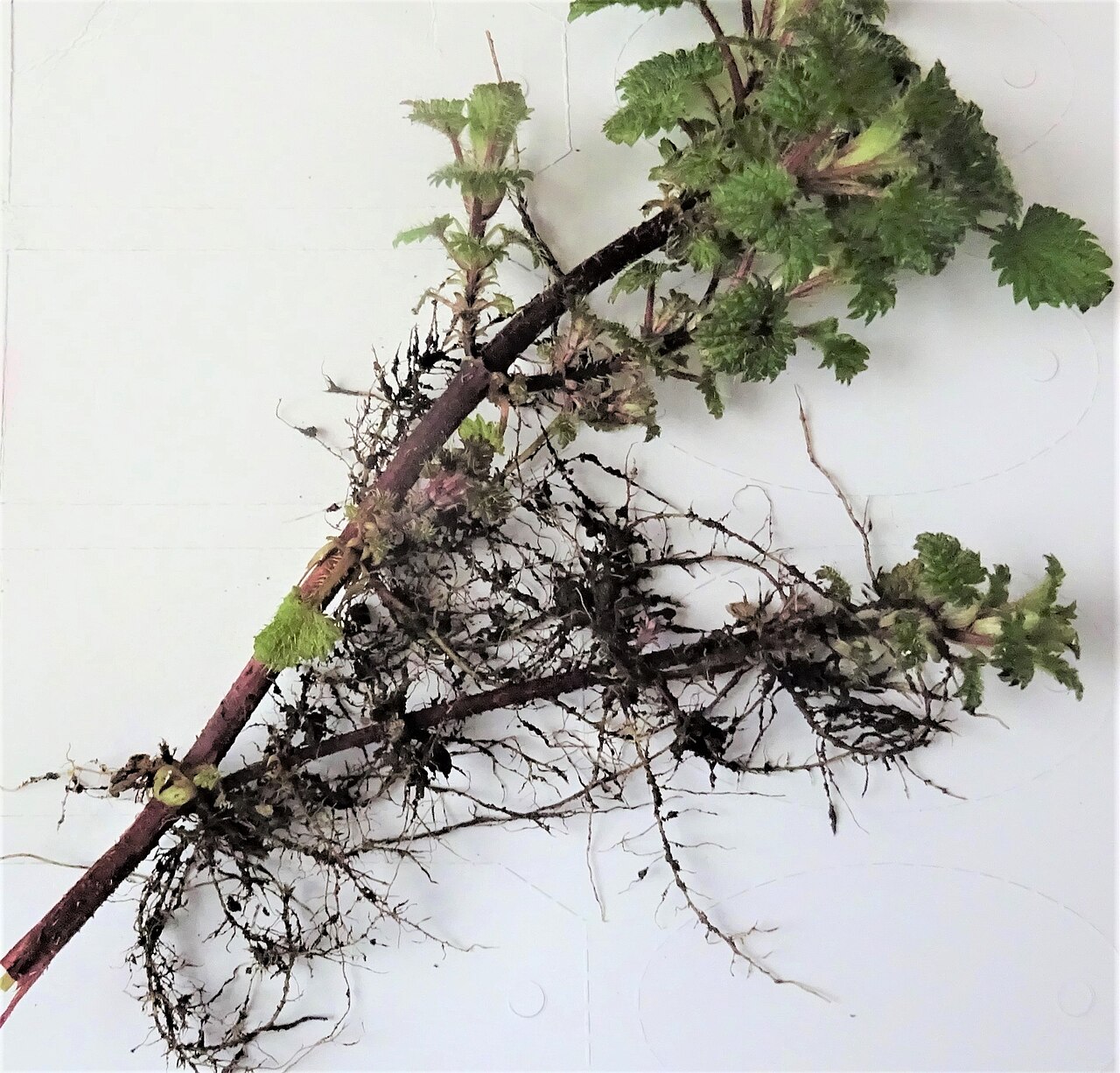
Trials of specific nettle-root extracts report mixed symptom and flow findings; they do not validate every Urtica dioica product.
Pygeum trials reported modest short-term changes, but variable extracts, brief follow-up and dated methods limit modern conclusions.
Large randomized trials have not shown that routine vitamin D supplementation prevents prostate cancer, despite biological plausibility.
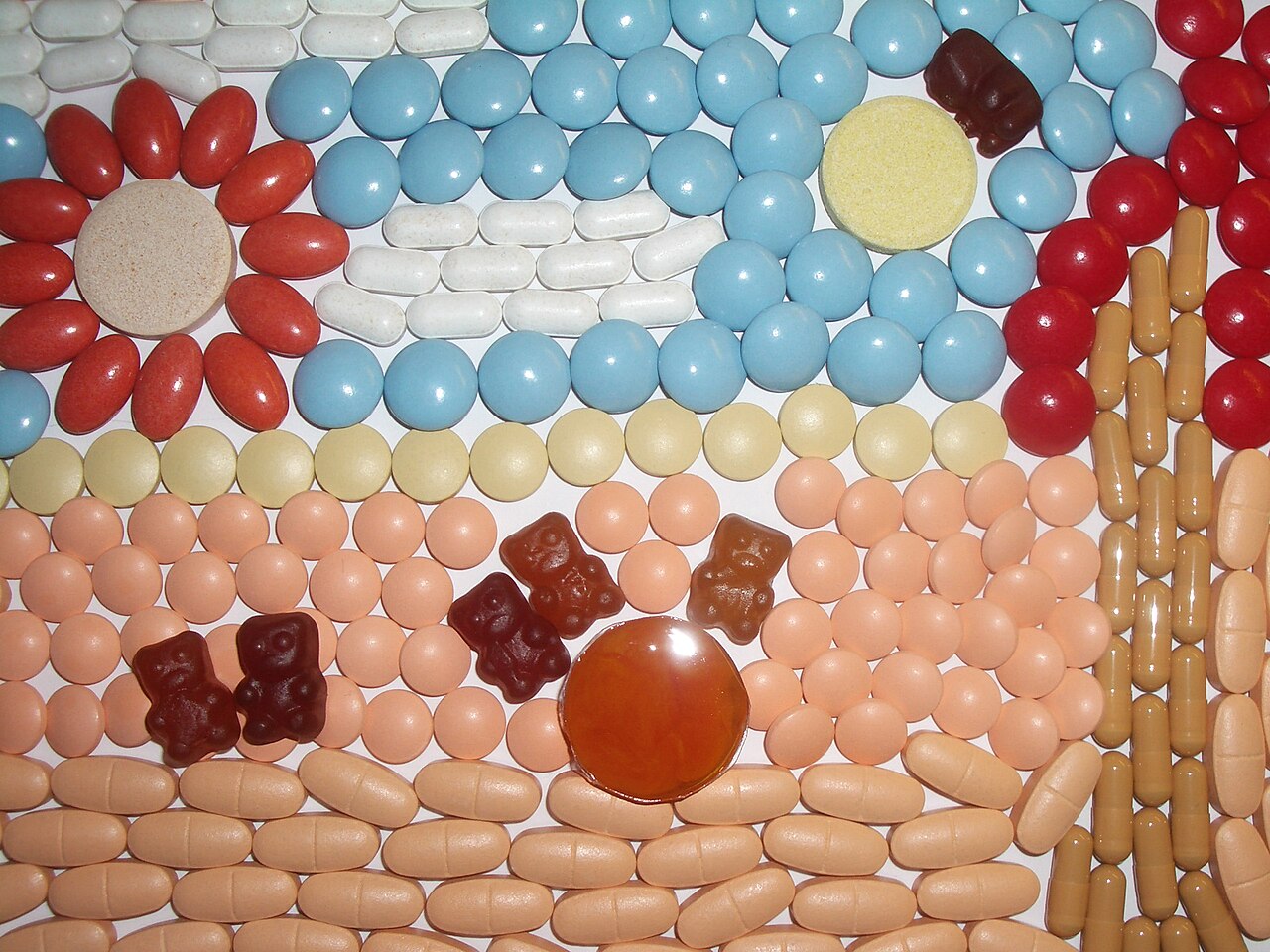
Review the whole supplement list to see when several differently branded products provide the same nutrients.
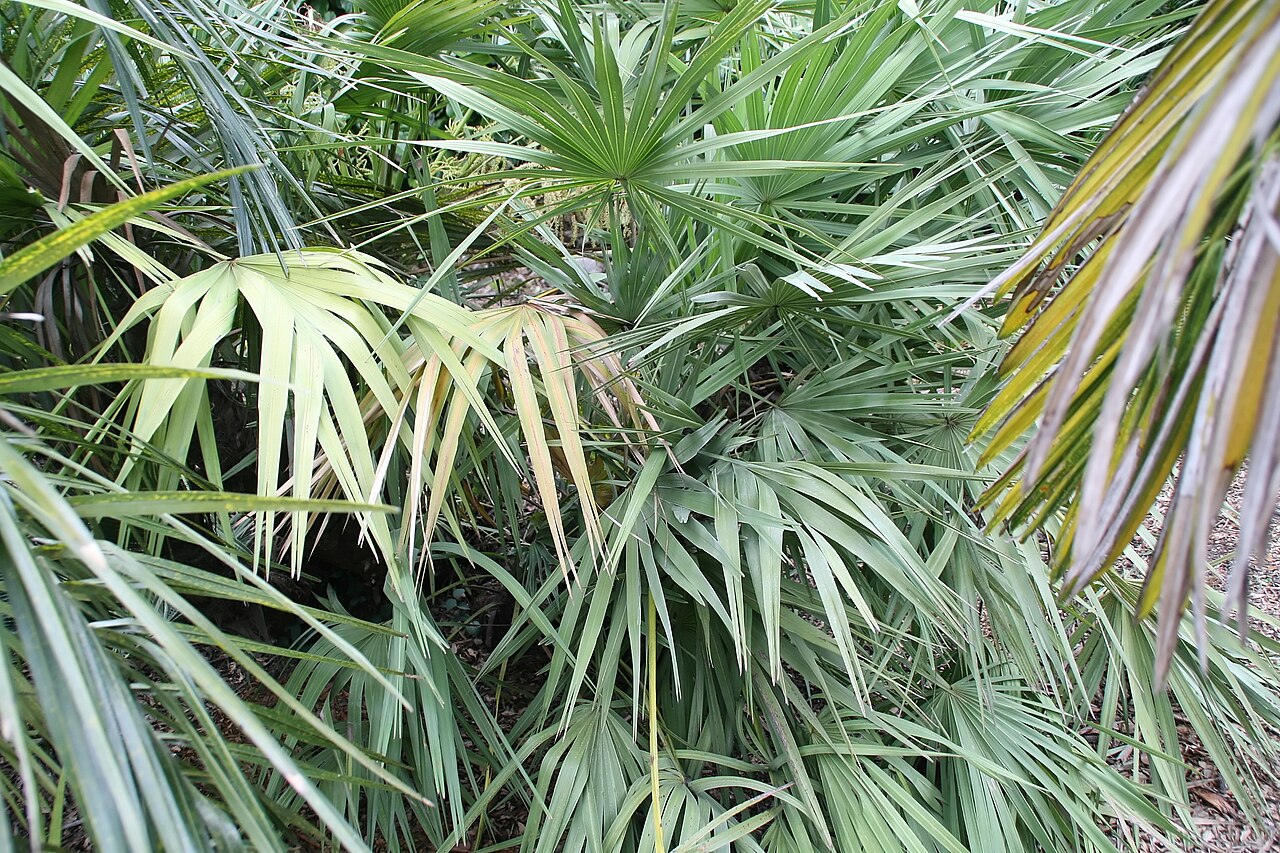
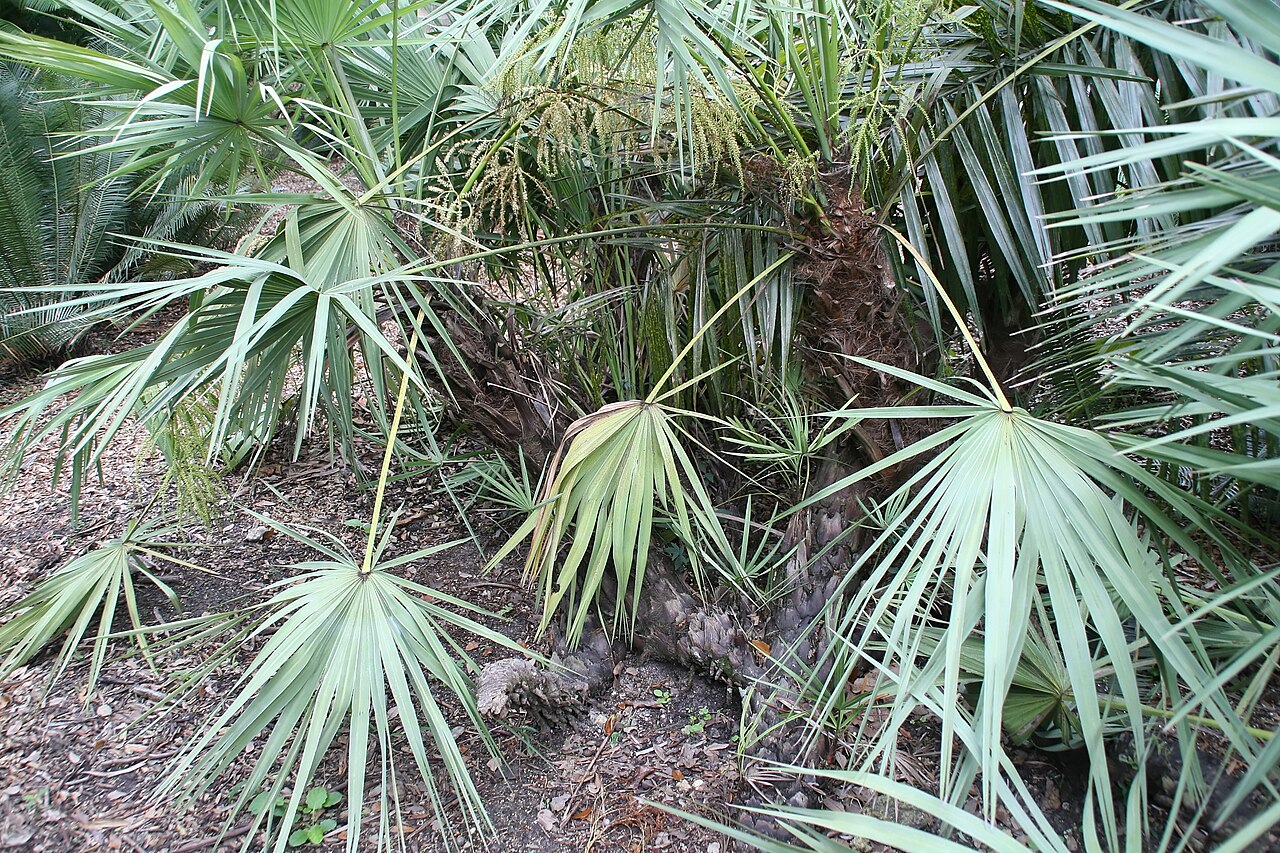
A practical look at saw palmetto research, prostate symptom claims, product differences, and when urinary changes need medical attention.
Why a nutrient’s normal biological role cannot establish the benefit of high-dose zinc in a prostate supplement.