Stinging nettle root for BPH: promising symptom data with product-specific limits
Trials of specific nettle-root extracts report mixed symptom and flow findings; they do not validate every Urtica dioica product.
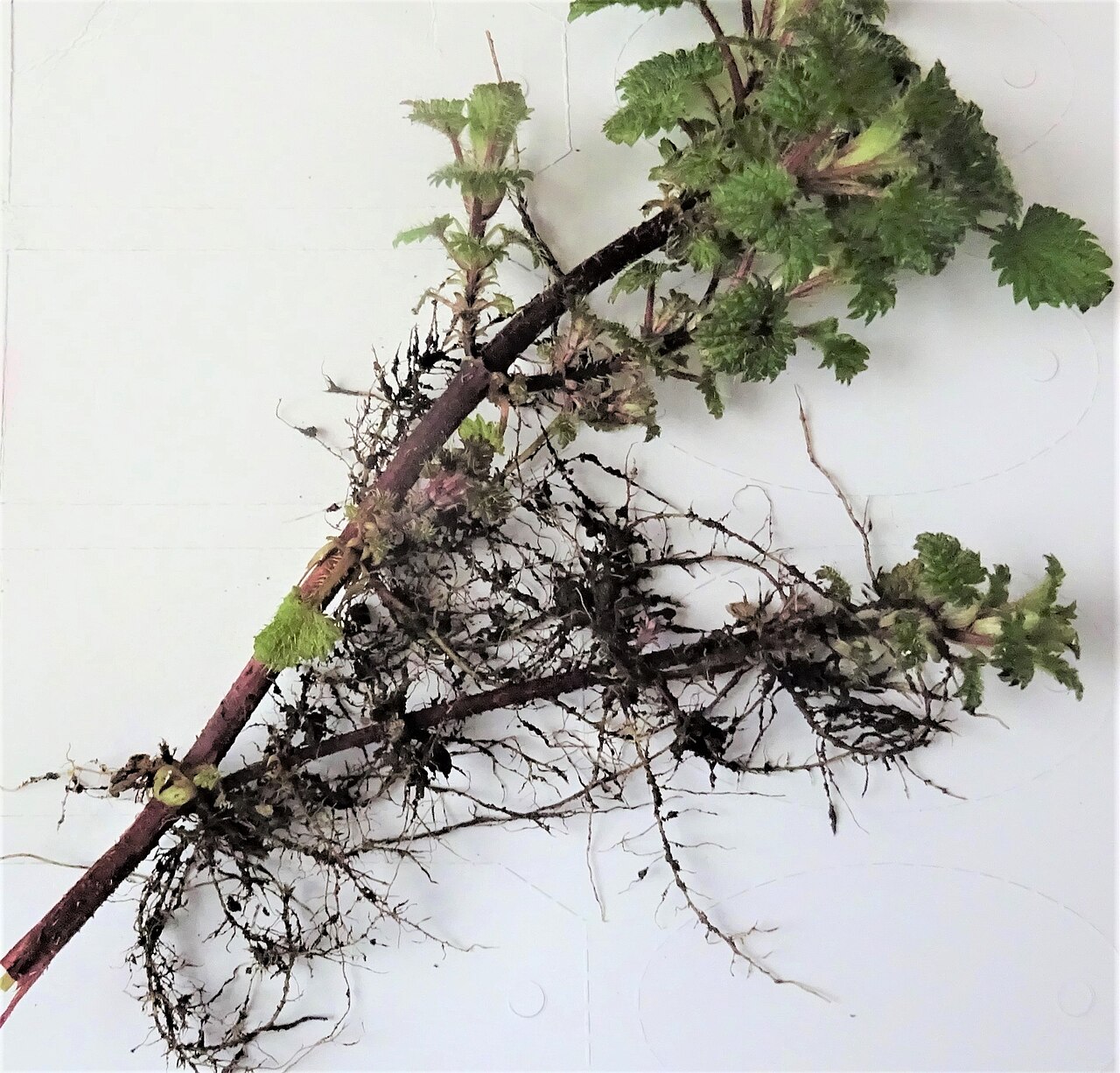
Some standardized nettle-root extracts improved symptom scores, but results were preparation-specific and did not consistently improve urine flow.
The root is the intervention—not the whole plant
Stinging nettle, Urtica dioica, appears in prostate formulas because extracts made from its root have been studied for lower urinary tract symptoms associated with benign prostatic hyperplasia, or BPH. That detail matters. Nettle leaf, tea, root powder and a standardized root extract are chemically different products, even when the front label uses the same plant name.
A one-year multicenter trial randomized 246 men to a specific 459-milligram dry root extract or placebo. Symptom scores improved slightly more with the extract, but maximum urine flow and residual urine did not differ significantly. The outcome was therefore narrower than a claim that nettle relieved obstruction or reversed enlargement.
Larger and newer trials do not erase formulation questions
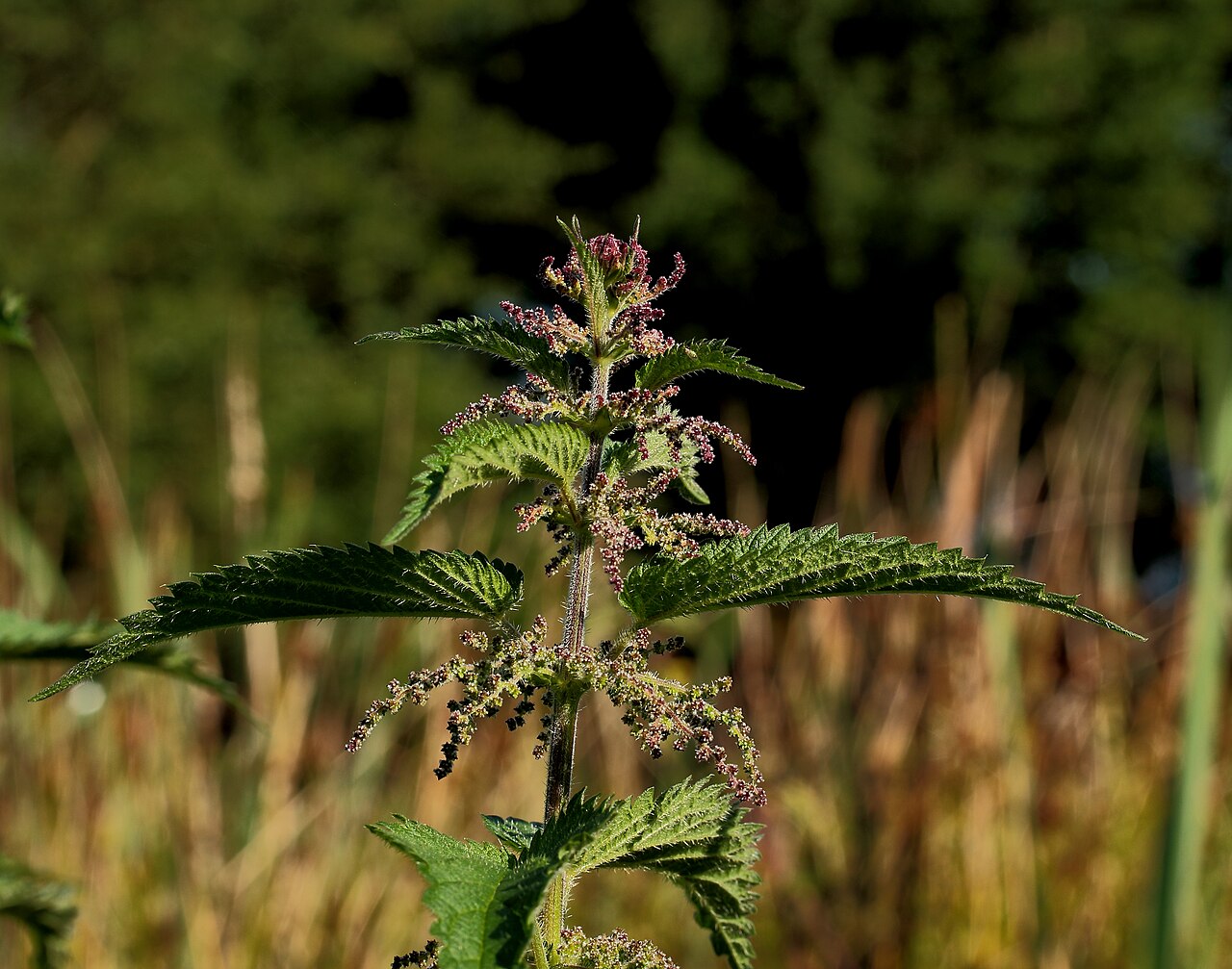
A six-month randomized partial-crossover study enrolled 620 men and reported improvements with Urtica dioica in symptom scores, flow and residual urine. A later 12-week double-blind trial tested 450 milligrams daily against placebo. These studies keep nettle root scientifically interesting, but each evaluated its own preparation, dose and population.
Botanical identity is not a minor technicality. Extraction solvent, root-to-extract ratio and standardization can change the material delivered. A proprietary blend that lists nettle somewhere below several other botanicals cannot automatically borrow the results of a single-ingredient standardized extract.
A symptom score and an anatomical change are different outcomes
The International Prostate Symptom Score summarizes urinary frequency, urgency, weak stream, straining and nighttime urination. A meaningful score change can matter to daily life. It does not prove that prostate size decreased, that urinary obstruction resolved or that the risk of future retention changed.
Several nettle studies measured PSA, prostate size or urinary-flow variables in addition to symptoms. Readers should resist collapsing all of those endpoints into the phrase prostate health. When the most favorable result is a questionnaire change, that is the result to report—along with the outcomes that did not clearly improve.
Combination formulas make attribution harder
Nettle is often paired with saw palmetto or pygeum. Trials of those combinations cannot show which component produced a result, and a combination with one ratio does not establish another formula. The interaction between ingredients may also differ from the effect of each ingredient alone.
Quality testing can help verify species and composition, but it does not prove clinical benefit. Look for a clearly stated amount of nettle root extract and enough manufacturing detail to compare the product with a cited trial. A proprietary blend total is not an evidence match.
Use a defined goal and a safety review
If nettle root is being considered, define the symptom that should improve and the time for reassessment. Bring the exact label to a clinician or pharmacist, particularly when prescription BPH medicines, blood-pressure drugs or several supplements are already being used. Persistent or worsening symptoms need evaluation rather than repeated product changes.
The evidence supports a careful middle position: specific nettle-root extracts have produced favorable symptom findings in some randomized trials, while flow results and broader conclusions remain inconsistent. That is not proof of prostate shrinkage, cancer prevention or long-term avoidance of BPH complications.
Questions worth asking before purchase
Ask whether the cited study used root or leaf, whether the extract and daily amount match, how long participants were followed and what the placebo group experienced. Check whether the study was single-ingredient or a combination. If a seller moves from a modest symptom result to claims about hormone balance, cancer or permanent urinary protection, the marketing has outrun the trial. A transparent explanation should make the evidence narrower, not broader, as the details become clearer.
Do not use response as a diagnosis
Urinary symptoms can change naturally and may respond to altered evening fluids, caffeine, medicines or expectations during a trial. Improvement after starting nettle does not prove that BPH caused the symptoms, and lack of improvement does not rule BPH out. Blood in the urine, recurrent infection, pain, fever or an inability to urinate should not be observed through another supplement cycle. The role of evaluation is to identify the cause and the severity before a product result is interpreted. A symptom diary can describe change, but it cannot turn the supplement into a diagnostic test.
Sources & further reading
- Stinging nettle root extract in long-term treatment of benign prostatic syndrome: a randomized placebo-controlled study ↗
- Urtica dioica for treatment of benign prostatic hyperplasia: a randomized placebo-controlled crossover study ↗
- Urtica dioica root extract on clinical and biochemical parameters in patients with BPH ↗
This article provides educational information. Ask a qualified clinician or pharmacist about your symptoms, medical conditions, medicines and supplement interactions.