Flaxseed and prostate cancer: what short presurgery trials can actually tell us
Presurgery trials found changes in tumor-proliferation markers, but they did not test recurrence, metastasis or survival.
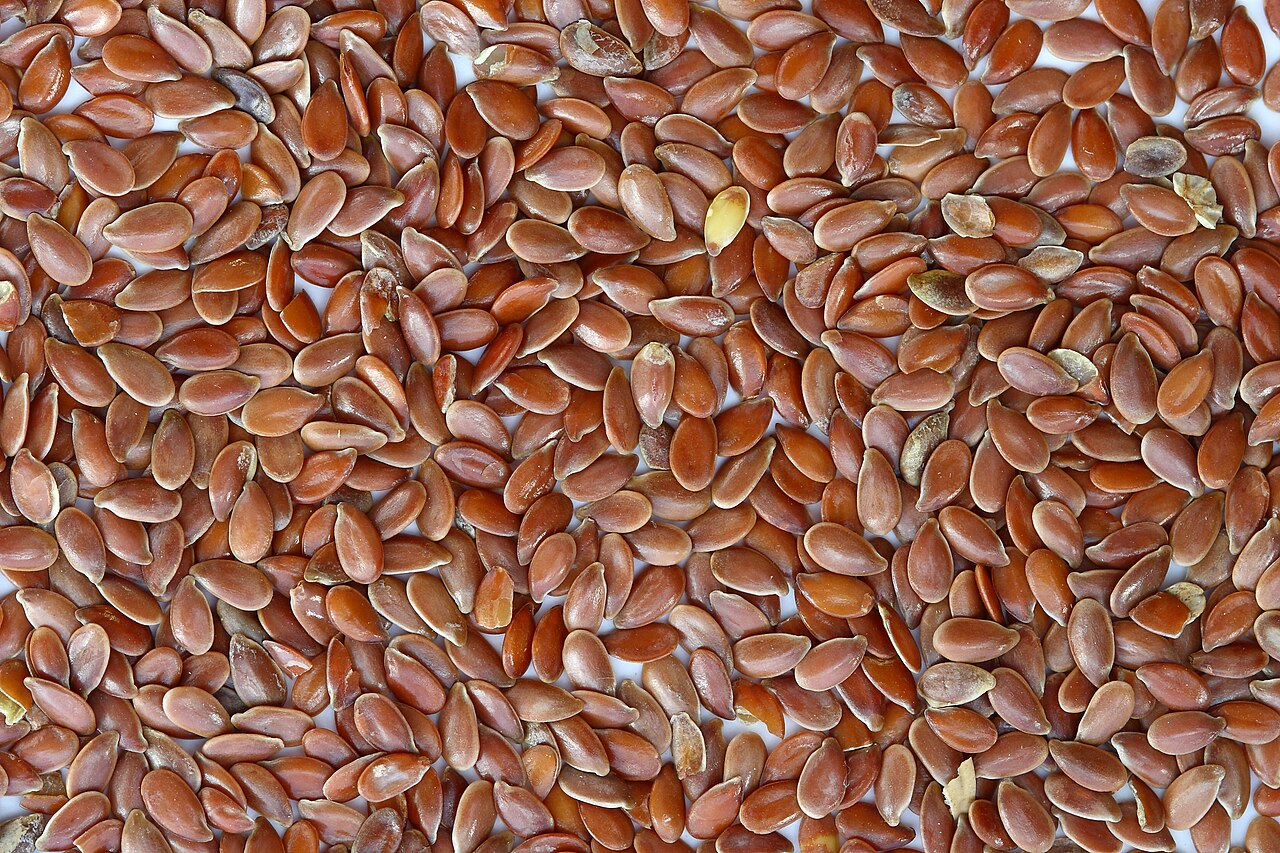
Flaxseed trials provide short-term biomarker evidence, not proof that flaxseed prevents or treats prostate cancer.
Presurgery studies create a brief research window
Men scheduled for prostatectomy sometimes enter nutrition studies between diagnosis and surgery. Researchers can compare blood and tumor tissue after a few weeks of intervention. This design is valuable for biological questions because the prostate specimen becomes available, but the short window cannot measure recurrence, metastasis or survival.
A multisite randomized trial assigned 161 men to usual diet, flaxseed, a low-fat diet or both. Participants used the intervention for about 30 days before surgery. Tumor-cell proliferation measured by Ki-67 was lower in the flaxseed groups, while many blood outcomes did not differ.
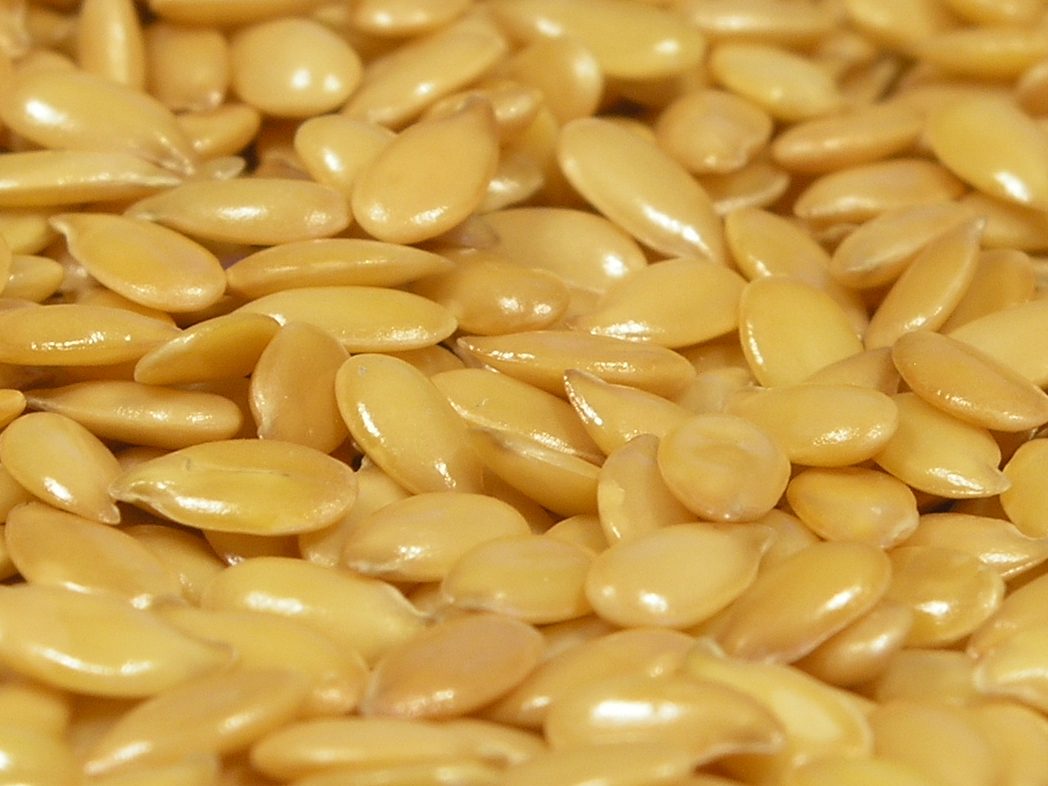
Ki-67 is a research endpoint, not a treatment verdict
Ki-67 describes the proportion of cells showing a proliferation marker in the removed tissue. A lower value can support a biological hypothesis. It does not tell a patient that cancer was eliminated or that the risk of future spread changed by a known amount.
The trial authors described the findings as biological alterations that may be protective. The word may is important. A surrogate marker must be shown to predict a patient outcome before it can carry the same weight as that outcome.
Newer phytoestrogen research adds complexity
A 2024 randomized trial provided soybeans and flaxseeds to men with low- or intermediate-risk prostate cancer before surgery. The overall estimate for a lower Ki-67 category included no clear effect, and some PSA findings differed according to estrogen-receptor beta genotype. Those subgroup patterns need confirmation rather than immediate personalization.
The intervention combined soy and flaxseed, so it cannot isolate flaxseed. It also delivered food in a defined study context, not a concentrated lignan capsule. Product form and the rest of the diet matter when applying the result.
Food choice and cancer treatment remain separate
Ground flaxseed can contribute fiber and fat to a diet. Choosing it as food does not require believing that it treats cancer. Taking a supplement specifically to alter tumor biology is a medical-purpose decision and requires stronger evidence for dose, safety and clinical outcome.
Men preparing for surgery should tell the care team about dietary supplements and large dietary changes. A presurgery study does not authorize delaying surgery or replacing surveillance, radiation, medicines or another recommended treatment.
Do not overread a positive short trial
The strongest statement supported by the 2008 trial is that a defined flaxseed intervention was associated with lower tumor proliferation over a short presurgical period. It did not show fewer recurrences or deaths. The 2024 trial suggests that biological responses may vary and that a mixed food intervention is not easily reduced to one ingredient.
Future trials need longer follow-up and clinical endpoints before flaxseed can be described as prostate cancer therapy. Until then, it is reasonable to discuss flaxseed as a food while keeping cancer claims appropriately limited.
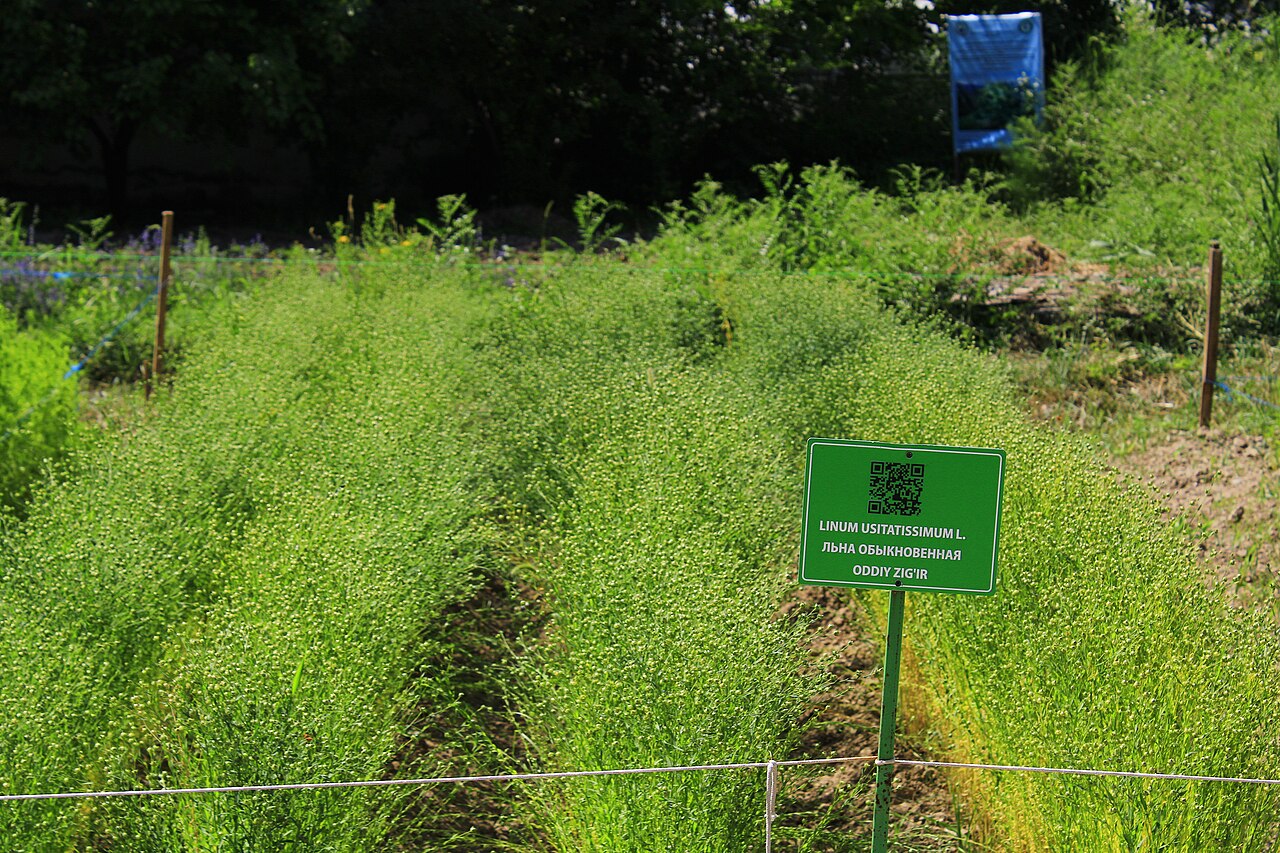
How to distinguish a useful study from an oversized claim
Check the intervention form, duration and primary endpoint. A one-month food study with a tissue marker cannot support a label promising long-term cancer defense. Look for whether the participants already had cancer, whether surgery followed immediately and whether the study measured outcomes after treatment. When the evidence ends at the operating-room specimen, the claim should end there too.
Ground seed and lignan extracts are not interchangeable
Whole or ground flaxseed supplies fiber, alpha-linolenic acid and lignans within a food matrix. A purified lignan capsule changes the mixture, while flaxseed oil removes most fiber and lignans. The presurgery trials used defined food interventions, so their results cannot validate every product carrying the word flax. Preparation also affects use: whole seeds may pass through largely intact, whereas grinding changes accessibility. These nutritional details can matter for ordinary dietary planning, but they still do not convert food into cancer therapy. A commercial extract needs its own human outcome evidence rather than a citation to ground-seed research.
Dietary tolerance still matters
Thirty grams of ground flaxseed can substantially increase fiber intake. Starting that amount abruptly may cause bloating or bowel changes, and adequate fluid intake may be relevant for some people. The presurgery regimen was supervised for a short period; it was not a universal lifelong dose. Any dietary change should fit the person's gastrointestinal tolerance, medicines and overall nutrition plan.
Sources & further reading
- Flaxseed supplementation reduces prostate cancer proliferation rates in men presurgery ↗
- Effects of a phytoestrogen intervention and estrogen receptor beta genotype on prostate cancer proliferation and PSA ↗
- A systematic review of dietary, nutritional and physical activity interventions for prevention of prostate cancer progression and mortality ↗
This article provides educational information. Ask a qualified clinician or pharmacist about your symptoms, medical conditions, medicines and supplement interactions.