CoQ10 in prostate supplements: why antioxidant markers do not prove prostate benefit
CoQ10 can change blood exposure and oxidative-stress markers, but prostate trials do not establish it as a stand-alone treatment.
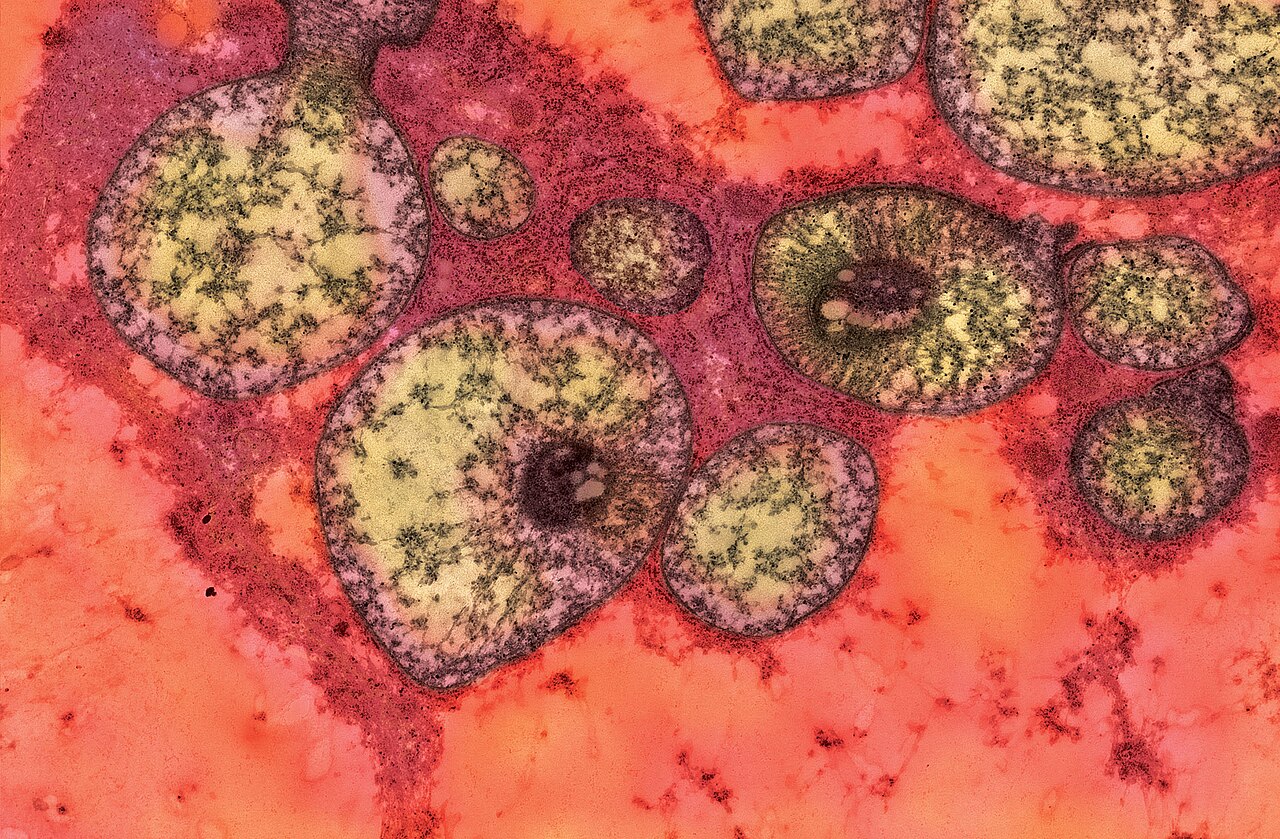
CoQ10’s biological role and antioxidant findings do not establish BPH relief, PSA lowering or prostate-cancer control.
A plausible mechanism can become a broad marketing shortcut
Coenzyme Q10 participates in cellular energy processes and is commonly discussed as an antioxidant. Prostate supplement marketing may turn those normal roles into claims about tissue protection, PSA or urinary function. Biological relevance is a reason to test an intervention, not proof that taking extra CoQ10 changes a prostate outcome.
A randomized double-blind trial in healthy men compared CoQ10, EPA, gamma-linolenic acid and placebo-like control conditions to examine PSA. Testing a laboratory value in healthy participants is very different from treating BPH or prostate cancer, and the study did not establish CoQ10 as a prostate therapy.

A cancer combination trial cannot isolate CoQ10
A randomized placebo-controlled study gave men with untreated prostate cancer a combination containing vitamin E, selenium, vitamin C and CoQ10. The combination did not affect PSA or hormone levels. Because four nutrients were administered together, the trial could not estimate CoQ10's individual effect even if an outcome had changed.
This design problem works both ways. A negative combination trial does not prove that every component is ineffective for every purpose, but a positive combination result would not prove that CoQ10 caused it. Commercial formulas often ignore that attribution limit.
The BPH study tested an adjunctive combination
A 2023 randomized controlled study evaluated L-carnitine plus CoQ10 as an adjunct to finasteride in older men with BPH. It reported changes in prostate volume and erectile-function measures compared with control. The intervention was not CoQ10 alone and was not a replacement for finasteride.
The result needs replication with clear blinding, allocation and product details before it can support routine use. It also cannot tell readers whether L-carnitine, CoQ10, their interaction or another aspect of care produced the difference.
Antioxidant outcomes are not prostate outcomes
Meta-analyses across adult populations report that CoQ10 supplementation can change some oxidative-stress markers. Those markers are not equivalent to improved urine flow, reduced cancer progression or fewer procedures. An antioxidant effect in blood cannot be inserted into a missing prostate trial.
The word oxidative can sound inherently harmful and the word antioxidant inherently protective. Human biology is more complex, and changing a marker does not guarantee a useful clinical result. The endpoint must match the promise.
Evaluate the exact reason for taking it
CoQ10 may be considered for other health questions, but those reasons should remain separate from prostate claims. Review the dose, formulation and medicines with a clinician or pharmacist, particularly when anticoagulants, blood-pressure medicines or several supplements are used.
For prostate health, current human evidence is fragmented across healthy participants, multi-nutrient cancer formulas and adjunctive BPH combinations. It does not establish CoQ10 alone as a way to lower PSA, shrink the prostate or control cancer.

A simple evidence-matching test
Write the product's promise as a measurable question, then look for a trial of that same formula in the relevant population. If the label promises easier urination but cites only antioxidant markers, the match fails. If it promises cancer control but cites a healthy-volunteer PSA study, the match fails again. Evidence should follow the product and outcome all the way through, without borrowing certainty from a different use.
PSA should not be treated as a supplement scorecard
PSA can change for reasons unrelated to cancer progression, and its interpretation depends on age, prostate volume, infection, procedures, medicines and the clinical setting. Trying multiple supplements until the number moves can obscure that context and create false reassurance. A healthy-volunteer study that measures PSA is not a screening recommendation, and an untreated-cancer study with a stable average does not prove safety for every tumor. Men undergoing screening, surveillance or treatment should tell the clinician about CoQ10 and other supplements, then interpret repeated PSA values through the established care plan rather than a product's theory of antioxidants.
Long-term outcomes are missing
None of the cited prostate studies establishes that CoQ10 prevents urinary retention, delays cancer progression, reduces procedures or improves survival. Short laboratory and combination findings cannot fill those gaps. Until a stand-alone product is tested against placebo for a clinically meaningful outcome, prostate-specific claims should remain tentative and clearly separated from CoQ10 research in other conditions.
Sources & further reading
- Effects of EPA, gamma-linolenic acid or coenzyme Q10 on serum PSA levels: a randomized double-blind trial ↗
- Effect of a supplement containing vitamin E, selenium, vitamin C and coenzyme Q10 on PSA in untreated prostate cancer ↗
- Effects of L-carnitine and coenzyme Q10 supplementation on lower urinary tract symptoms in men with BPH ↗
- Effects of CoQ10 supplementation on biomarkers of oxidative stress: a systematic review and meta-analysis ↗
This article provides educational information. Ask a qualified clinician or pharmacist about your symptoms, medical conditions, medicines and supplement interactions.