Cranberry for men’s urinary symptoms: a lower-urinary-tract study is not a prostate cure
Small trials report symptom changes with defined cranberry powders, but they do not establish treatment for BPH, infection or prostate cancer.
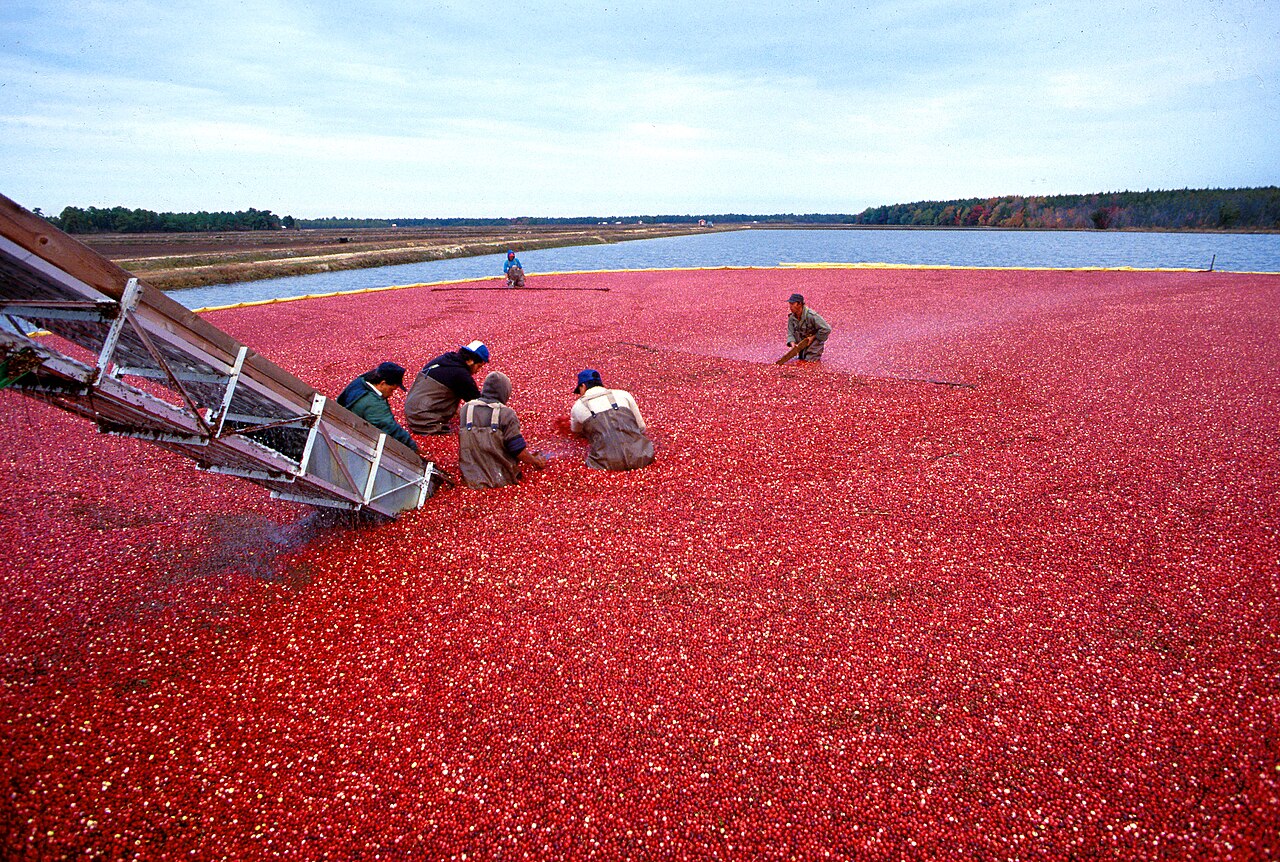
Cranberry research in men is product-specific and preliminary; urinary symptom changes do not diagnose or cure a prostate condition.
Cranberry claims span symptoms, infection and prostate health
Cranberry is best known for urinary tract infection research, but some supplements are marketed to men with weak stream, urgency or nighttime urination. Those symptoms can occur with BPH, prostatitis, bladder conditions, medicines and other causes. A cranberry label cannot determine which condition is present.
One randomized study enrolled 42 men with lower urinary tract symptoms, elevated PSA, a negative biopsy and chronic nonbacterial prostatitis. Twenty-one received 1,500 milligrams of dried cranberry powder daily for six months, while the control group received no cranberry. Several symptom and urinary measures improved in the cranberry group.
The control design limits what the first trial can prove
Because the comparison group received no matching placebo, participants knew whether they were taking cranberry. Expectations and behavior changes can influence symptom reports, and the small sample makes estimates less stable. The findings are a reason for better trials, not a universal treatment recommendation.
The participants were also a selected group with a particular evaluation history. Their results cannot be assumed to apply to every man with urinary symptoms, a confirmed enlarged prostate, an acute infection or prostate cancer.
A placebo-controlled powder trial was more informative
A later double-blind randomized study tested a standardized cranberry fruit powder against placebo in men with lower urinary tract symptoms. It measured symptom scores, quality of life, flow, residual urine and laboratory markers over six months. The results supported further interest in that defined preparation.
Even so, one proprietary powder does not validate juice, gummies or unrelated capsules. Cranberry products vary in fruit material and phytochemical content. A label that cites the study should show that the sold product matches the preparation and daily exposure tested.
UTI prevention evidence answers another question
A 2023 Cochrane review evaluated cranberry products for preventing urinary tract infections across many populations. It found little or no benefit in elderly institutionalized men and women and in adults with neuromuscular bladder dysfunction. Those results should not be converted into a conclusion about BPH symptoms, just as a BPH-symptom trial does not prove UTI prevention.
Prevention and treatment are also different. Cranberry should not replace antibiotics when a bacterial infection requires treatment. Fever, chills, painful urination or inability to urinate warrant timely medical attention rather than a supplement trial.
Keep PSA findings in perspective
The early cranberry study reported a lower total PSA after six months, but PSA was one of many measured outcomes in a small trial. A PSA change does not establish cancer prevention or treatment, and supplements should not be used to manipulate a screening or follow-up value without clinical context.
Men considering cranberry should define whether the goal is recurrent-UTI prevention or symptom relief and review the exact product with a professional. The evidence is not empty, but it remains too specific and limited for a broad prostate-health promise.
What a credible cranberry claim should include
A useful claim identifies the cranberry preparation, amount, participant group, comparison and measured endpoint. It should state whether the trial was blinded and acknowledge that symptom improvement does not prove the cause. Claims that jump from urinary comfort to prostate shrinkage, infection treatment or cancer protection are unsupported by the cited trials. The fruit's familiarity does not reduce the need for product-specific evidence.
Product sugar and interaction questions still matter
Cranberry juice cocktails can contain substantial added sugar, while extracts and powders have different compositions. A trial of a standardized powder cannot be reproduced by drinking an unspecified amount of juice. People taking warfarin or managing diabetes, kidney stones or fluid restrictions should ask a clinician or pharmacist about the specific product rather than assuming all cranberry forms are equivalent. Safety advice should follow the real formulation and the person's health context. A familiar fruit origin is not enough to settle dose, interaction or suitability questions, particularly when the intended use is long term.
What the current evidence still cannot answer
The trials do not establish whether benefits persist after cranberry is stopped, whether the products prevent urinary retention or procedures, or which men are most likely to respond. They also do not compare cranberry fairly with established BPH medicines. Those unanswered questions matter when a short supplement trial becomes a long-term purchase.
Sources & further reading
This article provides educational information. Ask a qualified clinician or pharmacist about your symptoms, medical conditions, medicines and supplement interactions.