Pumpkin seed products for BPH: seeds, extracts and oils are not one treatment
Trials have tested whole seeds, extracts and oils with mixed designs; the form and comparator determine what a result can support.
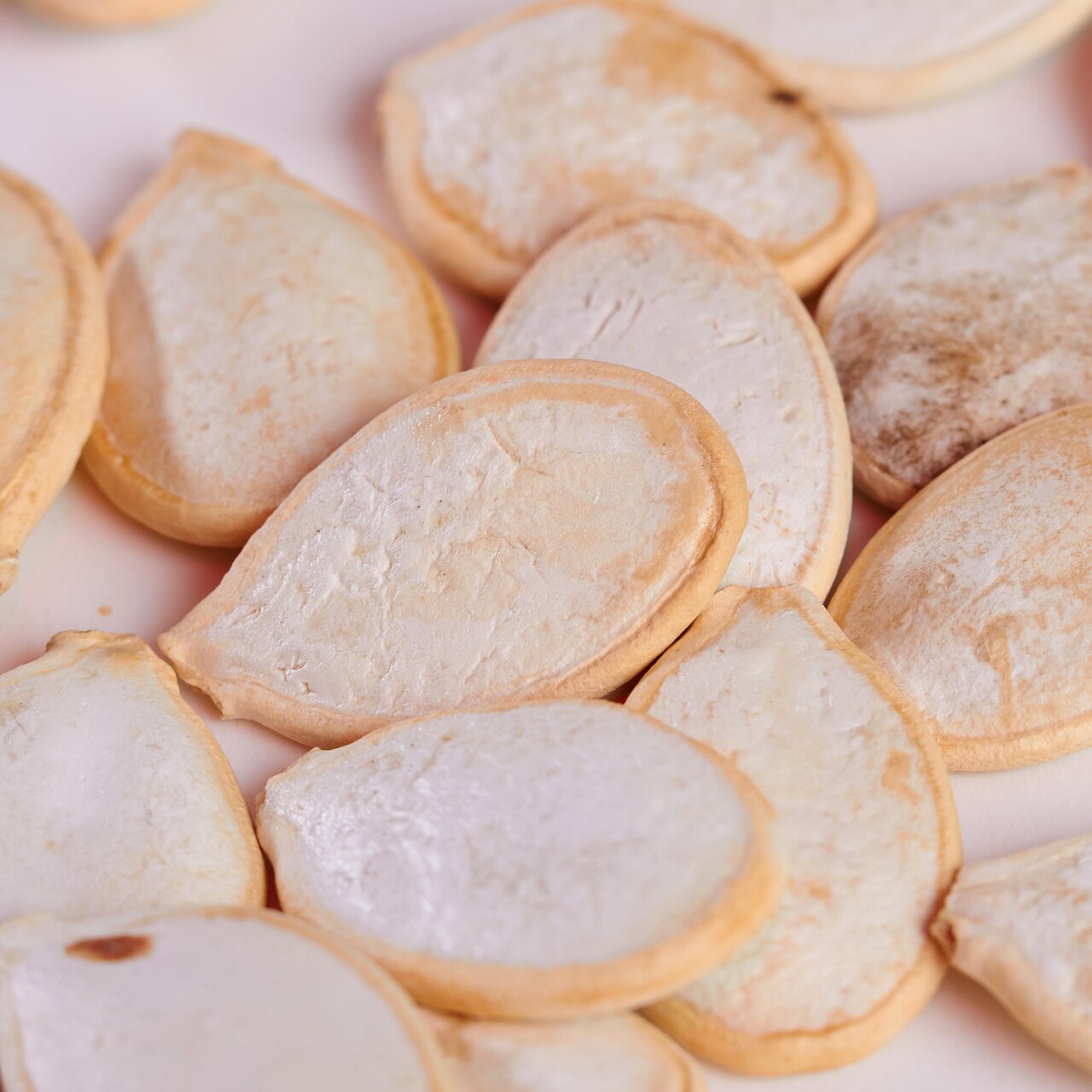
Pumpkin seed research cannot be summarized as one proven effect because whole seeds, extracts and oils are different interventions.
One familiar ingredient, several different interventions
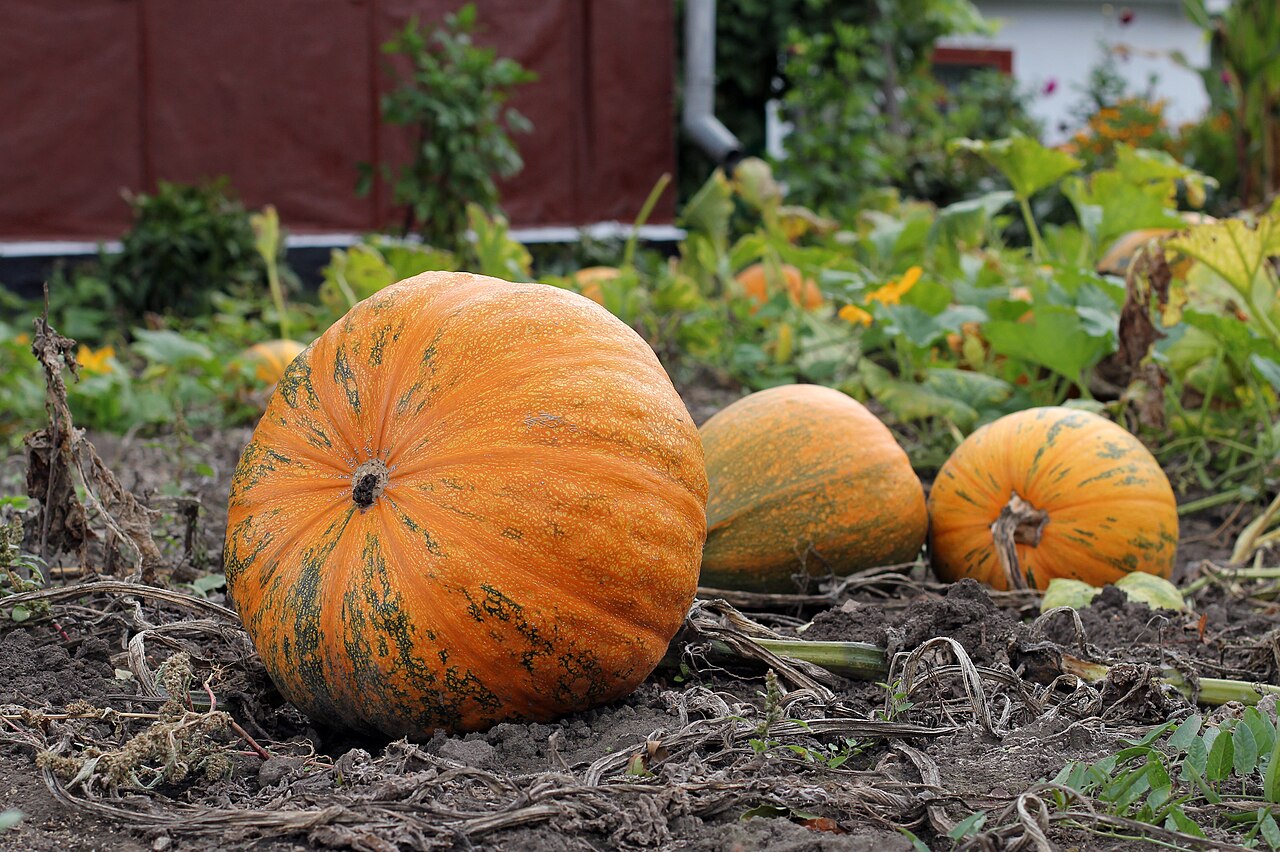
Pumpkin seed products are marketed for prostate and urinary health in forms that include whole seeds, ground seed preparations, concentrated extracts and oils. These are not automatically interchangeable. Their composition, serving size and manufacturing differ, so a finding from one form cannot simply be transferred to another because all originated from Cucurbita pepo.
The one-year GRANU study illustrates the distinction. It randomized 1,431 men with lower urinary tract symptoms to whole pumpkin seed, pumpkin seed extract or placebo. The prespecified response rate did not differ between the extract capsules and placebo. Whole seed showed a descriptively favorable response, but the authors said a confirmatory study or systematic review was needed before a recommendation could be justified.
Read the primary outcome before the marketing summary
Large studies can produce many measurements. The primary outcome is specified in advance to reduce the chance of highlighting whichever result looks best afterward. In GRANU, the key comparison for the extract capsules was not positive. A seller that mentions only an improvement within the supplement group, without the placebo comparison, leaves out the most important part of the design.
Symptoms often improve during a trial for reasons unrelated to the active ingredient. Participants may change routines, expectations can influence reporting and symptoms naturally fluctuate. That is why a placebo group matters. A before-and-after change is not enough when the comparison group changes too.
An oil-versus-medicine trial answers a different question
A smaller single-blind trial compared pumpkin seed oil with tamsulosin in 73 men for three months. Both groups improved, while the reduction in symptom scores was greater with tamsulosin at the measured time points. The study was useful but modest in size, short in duration and not placebo-controlled. It cannot establish that oil works better than no active treatment.
It also cannot tell readers that every pumpkin oil capsule matches the tested product. The trial used a defined daily regimen and enrolled patients in a clinical setting. Differences in dose, product composition and participant characteristics all matter when applying the result. A head-to-head comparison is not a universal ranking of an ingredient and a drug.
Keep food and treatment claims separate
Pumpkin seeds can be eaten as food without being treated as a medicine. Enjoying them for taste and nutrition is a different decision from taking a concentrated product to relieve BPH symptoms. The treatment claim requires evidence for the exact preparation and outcome; the food choice does not need a prostate promise to be reasonable.
This separation helps prevent a common leap: because a food is familiar, a high-dose extract must be harmless and effective. Concentration changes exposure, and supplements may interact with medicines or complicate an existing regimen. Familiar origin does not replace product-specific safety information.
Ask questions the evidence can answer
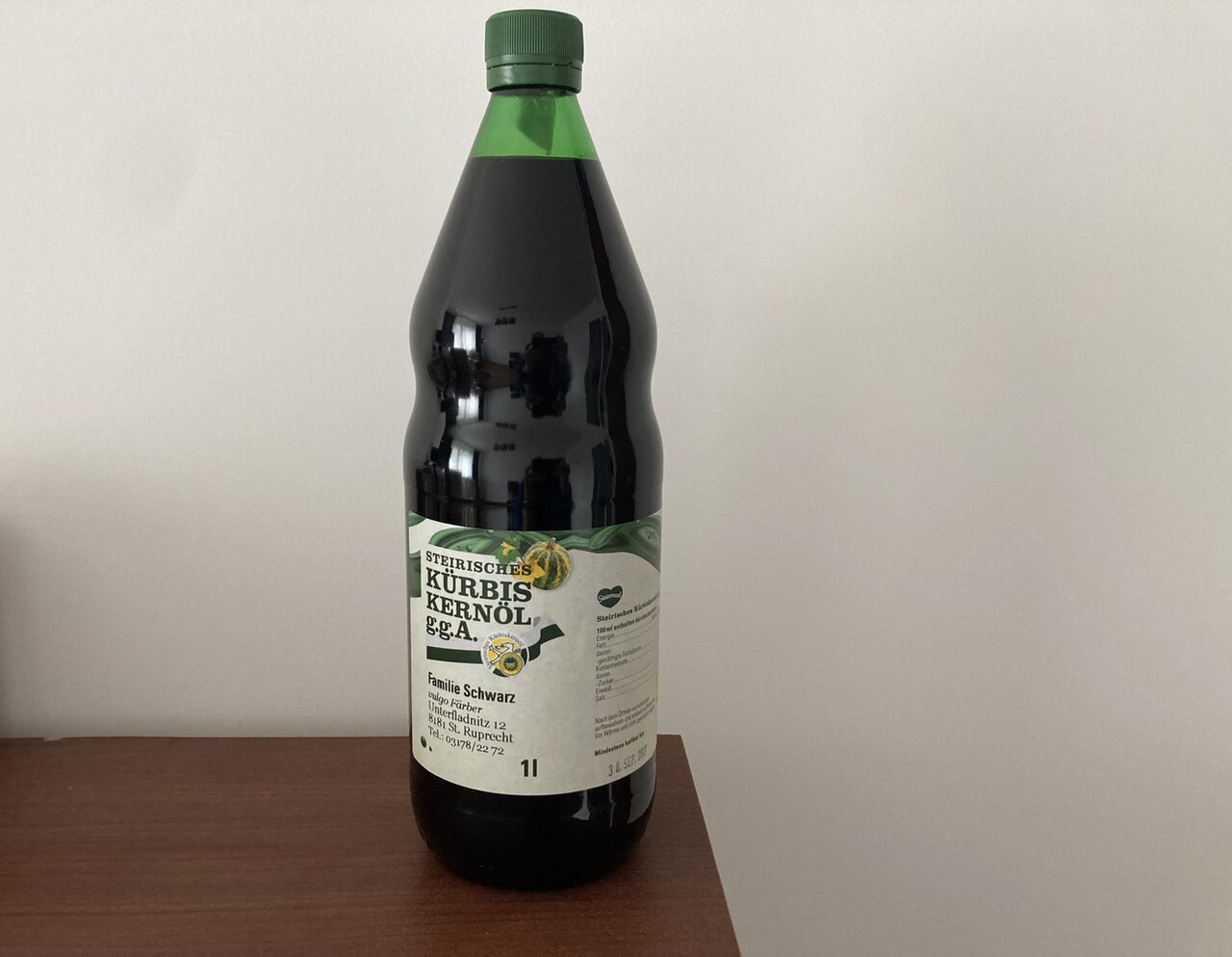
Before purchase, identify whether the bottle contains seed powder, an extract or oil, and whether the label gives a clear amount. Ask which human trial tested that same preparation, what the comparison group received and whether the primary outcome improved. If the evidence comes from another form, the match is incomplete.
For persistent or worsening urinary symptoms, clinical evaluation should come before repeated product experiments. Pumpkin seed research offers interesting but mixed signals, not proof of prostate shrinkage, cancer prevention or long-term protection from BPH complications. A measured decision respects both the positive findings and the design limits that produced them.
Do not confuse tolerability with confirmed benefit
The pumpkin seed studies generally described their interventions as well tolerated, but a favorable short-term safety report does not establish that a product works. It also cannot reveal every uncommon reaction or interaction. Safety evidence depends on the number and type of participants, follow-up time and how carefully events were collected. Commercial products may add saw palmetto, zinc or other ingredients that change both the evidence and the risk review. Read the entire formula, not only the pumpkin image on the front. If a symptom changes after starting a blend, there may be no reliable way to attribute that change to pumpkin seed. That uncertainty should be acknowledged before the blend is described as clinically tested.
Sources & further reading
- Effects of pumpkin seed in men with lower urinary tract symptoms due to benign prostatic hyperplasia in the one-year, randomized, placebo-controlled GRANU study ↗
- Pumpkin seed oil versus tamsulosin for benign prostatic hyperplasia symptom relief: a single-blind randomized clinical trial ↗
- Benign Prostatic Hyperplasia: Rapid Evidence Review ↗
This article provides educational information. Ask a qualified clinician or pharmacist about your symptoms, medical conditions, medicines and supplement interactions.