Pygeum for urinary symptoms: why old evidence needs modern caution
Pygeum trials reported modest short-term changes, but variable extracts, brief follow-up and dated methods limit modern conclusions.
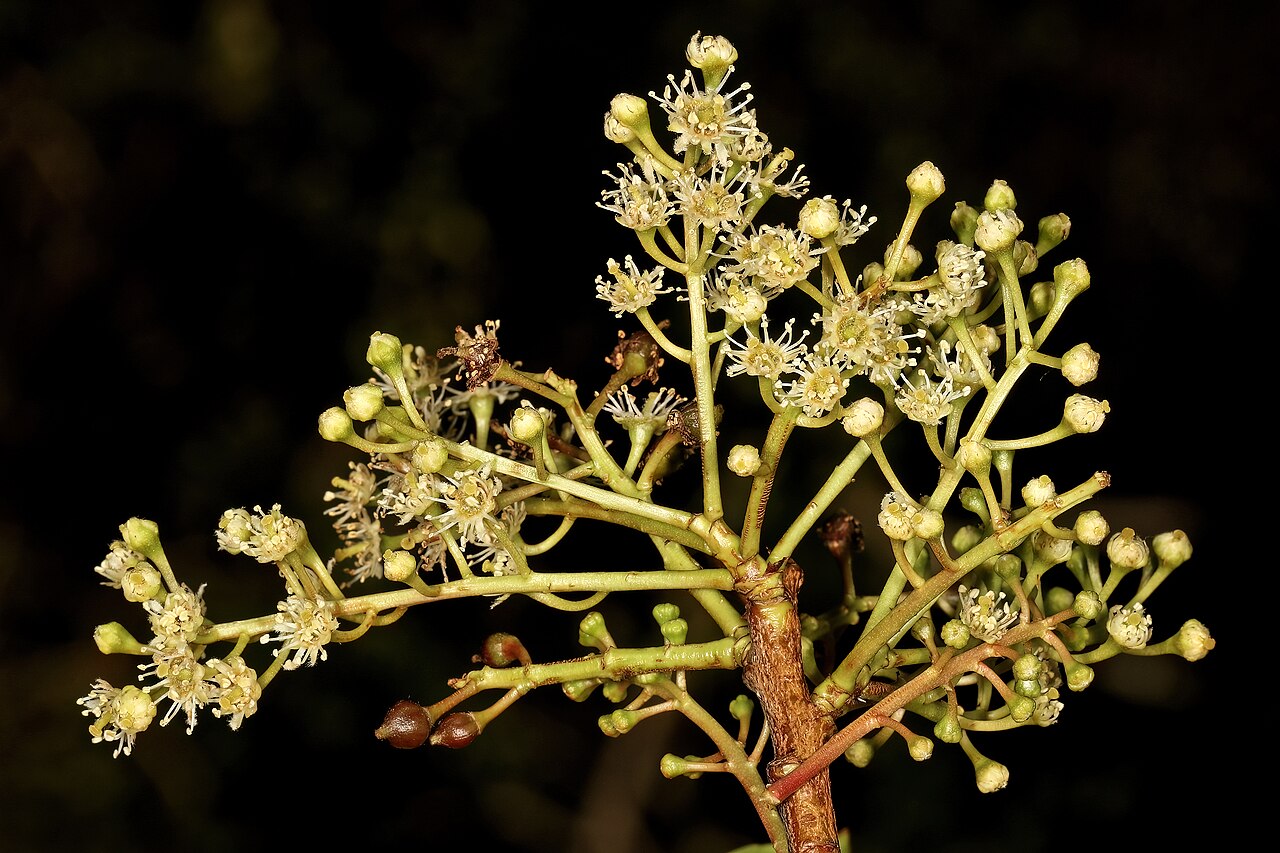
Pygeum has signals of short-term benefit in older studies, but product variability and missing long-term evidence keep confidence limited.
A botanical with a long research trail
Pygeum is an extract historically made from the bark of the African cherry tree, Prunus africana. It has been studied for urinary symptoms associated with BPH and remains common in prostate blends. Its long commercial history can create an impression of settled evidence, yet the clinical research is mainly composed of older, relatively brief trials using preparations that may not match products sold today.
A systematic review identified 18 randomized trials with 1,562 men. Compared with placebo, pygeum was associated with better combined symptom and flow outcomes, fewer nighttime trips and changes in residual urine and peak flow. The same review emphasized major limitations: inconsistent reporting, short treatment periods and variation in both study design and the extracts tested.

The size of the evidence is not the same as its certainty
Eighteen trials may sound definitive, but trial count does not fix weak methods. Only one study in the review reported adequate allocation concealment, an important protection against bias. The average study lasted just over two months. A result can be statistically favorable while remaining uncertain for the long-term decision a consumer actually faces.
One multicenter placebo-controlled trial enrolled 263 participants for 60 days and reported better urinary measures with a specific pygeum extract. That result supports continued research into that preparation. It does not establish that a different concentration, extraction process or multi-ingredient formula will produce the same result, especially when the label does not identify a standardized extract.
Short trials miss the outcomes many readers care about
A person may want to know whether pygeum prevents urinary retention, protects the kidneys, avoids surgery or remains safe for years. The available trials were not designed to answer those questions. Their focus was mostly short-term symptoms and urinary-flow measurements. Improvements in those outcomes should not be expanded into claims about preventing BPH progression or prostate cancer.
Symptoms themselves also require context. Frequency, urgency, weak stream and nighttime urination can have more than one cause. A favorable response to a supplement cannot confirm BPH, and a poor response cannot rule it out. Diagnosis depends on the clinical picture, not on whether an over-the-counter product appears to help.
Product identity is a central evidence question
Botanical extracts are not interchangeable simply because they come from the same species. The plant part, extraction solvent, standardization and storage can affect the material. Combination formulas make attribution harder still: if symptoms change, the label may contain several active candidates and no way to identify which one mattered.
Look for a transparent amount per serving and a description detailed enough to compare with a cited trial. Proprietary blend totals are less useful because they may conceal individual amounts. Third-party quality testing can help answer what is in a bottle, but quality certification does not prove that the product improves urinary symptoms.
Keep the decision proportional to the evidence
A cautious discussion with a clinician or pharmacist can cover symptom severity, current medicines, the exact extract and a reasonable time for reassessment. If symptoms are progressing, sleep is substantially disrupted or there is blood, pain, fever or difficulty urinating, evaluation matters more than extending an unsupervised trial.
The fairest summary is that older studies suggest pygeum may modestly improve certain short-term urinary outcomes. The evidence is not strong enough to promise durable benefit, disease modification or equivalence across products. That limitation should appear alongside any favorable result, not in fine print after a broad prostate-health claim.
Why sustainable sourcing also belongs in the discussion
Prunus africana is a tree, not an endlessly interchangeable laboratory ingredient. The commercial history of bark harvesting has raised conservation and sourcing concerns, so a responsible product assessment can include traceability as well as clinical evidence. Ethical sourcing does not prove efficacy, and favorable trial results do not prove that a current supply chain is sustainable. These are separate questions that both deserve documentation. A vague botanical name leaves readers unable to evaluate either one. Look for the plant species, plant part, extraction information and sourcing disclosures, then judge the clinical claim against studies of a comparable extract. A product that cannot identify what it contains should not receive extra credibility merely because the ingredient has a long traditional history.
Sources & further reading
- Pygeum africanum for the treatment of patients with benign prostatic hyperplasia: a systematic review and quantitative meta-analysis ↗
- Efficacy of Pygeum africanum extract in the medical therapy of urination disorders due to benign prostatic hyperplasia ↗
- Dietary supplements for benign prostatic hyperplasia: an overview of systematic reviews ↗
This article provides educational information. Ask a qualified clinician or pharmacist about your symptoms, medical conditions, medicines and supplement interactions.