Quercetin for chronic prostatitis: one small trial is a signal, not a standard
A small placebo-controlled study found symptom improvement, but modern reviews still call the evidence preliminary and condition-specific.
Quercetin has preliminary evidence in chronic pelvic pain syndrome, not proof for BPH, bacterial prostatitis or prostate cancer.
First identify which prostatitis question is being asked
Prostatitis is not one diagnosis. Acute and chronic bacterial prostatitis involve infection, while chronic prostatitis/chronic pelvic pain syndrome, or CP/CPPS, can involve persistent pain, urinary symptoms and other factors without a proven bacterial cause. A supplement studied in CP/CPPS should not be promoted as if it treats every condition carrying the word prostatitis.
NIDDK describes CP/CPPS as a condition with varied symptoms and no single treatment that works for everyone. Care may be multimodal and can address pain, urinary features, pelvic floor dysfunction and stress. That context is important before evaluating a single ingredient such as quercetin.
What the placebo-controlled quercetin trial found
A preliminary double-blind study randomized 30 men with category III chronic prostatitis to quercetin or placebo for one month. Among those evaluated, symptom scores improved more in the quercetin group, and a greater proportion achieved at least a 25% improvement. The study used the NIH chronic prostatitis symptom score, a condition-specific outcome.
The result is a legitimate clinical signal, but the scale was small: 15 quercetin participants and 13 placebo participants completed evaluation in the blinded comparison. A small sample can overestimate effects and provides limited information about uncommon adverse events, differences among patient subgroups and durability beyond one month.
Why later evidence has not closed the question
A 2025 systematic review and meta-analysis of randomized interventions for CP/CPPS found generally low or very low certainty across many treatments, with substantial differences among trials. Pollen extracts and several other agents did not show consistent statistically significant effects in the pooled comparisons described by the authors.
A 2026 review of plant-derived bioactives called quercetin evidence preliminary and traced it largely to the same small placebo-controlled study. That is an important reality check: many years of commercial availability do not necessarily mean that a large independent evidence base has accumulated.
Do not transfer the result to another prostate condition
The trial did not show that quercetin shrinks an enlarged prostate, cures bacterial infection, lowers prostate cancer risk or changes PSA in a clinically useful way. Those are different questions requiring different participants and outcomes. The broad phrase prostate inflammation can make these categories sound interchangeable when they are not.
It is also risky to use symptom response as a diagnostic test. Feeling better while taking quercetin does not prove CP/CPPS, and failing to improve does not establish infection or cancer. Persistent pelvic pain, fever, painful urination or other concerning changes should be evaluated rather than classified through supplement experimentation.
Consider quercetin only within a complete plan
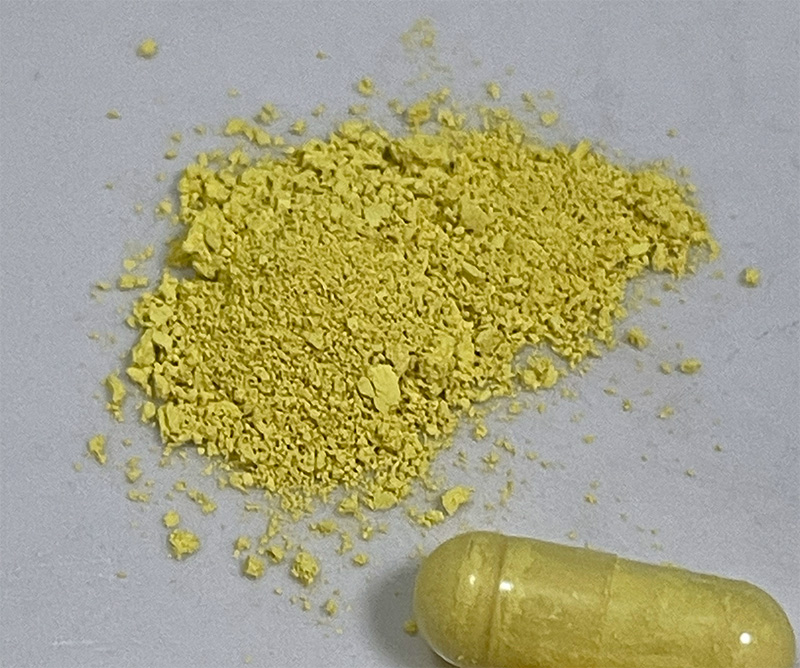
Anyone considering quercetin should bring the exact label to a clinician or pharmacist, including other ingredients and the proposed daily amount. Combination products may contain enzymes or botanicals that were not part of the blinded trial. Safety review should include medicines, kidney function and other relevant conditions rather than relying on the word flavonoid.
The evidence supports a careful statement: one small randomized trial suggested short-term symptom benefit for a defined group of men with CP/CPPS. It does not establish quercetin as a stand-alone standard or a general prostate remedy. The most informed decision keeps the supplement, the diagnosis and the measured outcome aligned.
Symptom scores need a human interpretation
The NIH Chronic Prostatitis Symptom Index combines pain, urinary features and quality-of-life impact. A lower total score can be meaningful, but the same numerical change may not address the concern that matters most to every patient. One person may prioritize pain during sitting, another sleep, and another sexual or urinary effects. A clinician can use the pattern of domains to build a broader plan rather than treating the total as a supplement target. This matters because CP/CPPS often requires more than one approach, such as pelvic-floor therapy, pain management or stress support. Even if quercetin contributes to improvement, it should not crowd out assessment of other treatable contributors or urgent features that do not fit a routine chronic-pain pattern.
Sources & further reading
- Quercetin in men with category III chronic prostatitis: a preliminary prospective, double-blind, placebo-controlled trial ↗
- Comparative efficacy of pharmacological interventions for chronic prostatitis/chronic pelvic pain syndrome: an updated systematic review and meta-analysis ↗
- Plant-derived bioactives and nutraceuticals in chronic prostatitis/chronic pelvic pain syndrome ↗
- NIDDK: Prostatitis—Inflammation of the Prostate ↗
This article provides educational information. Ask a qualified clinician or pharmacist about your symptoms, medical conditions, medicines and supplement interactions.