Vitamins & Minerals
Folic acid supplements and prostate cancer: one trial signal versus pooled uncertainty
A colorectal-polyp trial found more prostate cancers with folic acid, while larger pooled analyses did not confirm a clear overall effect.
A colorectal-polyp trial found more prostate cancers with folic acid, while larger pooled analyses did not confirm a clear overall effect.
Phase II studies report longer PSA doubling times, but without placebo groups they cannot show that modified citrus pectin caused the change.
The recalled prostate-cancer formula contained undeclared drugs, showing why dramatic supplement results require identity testing.
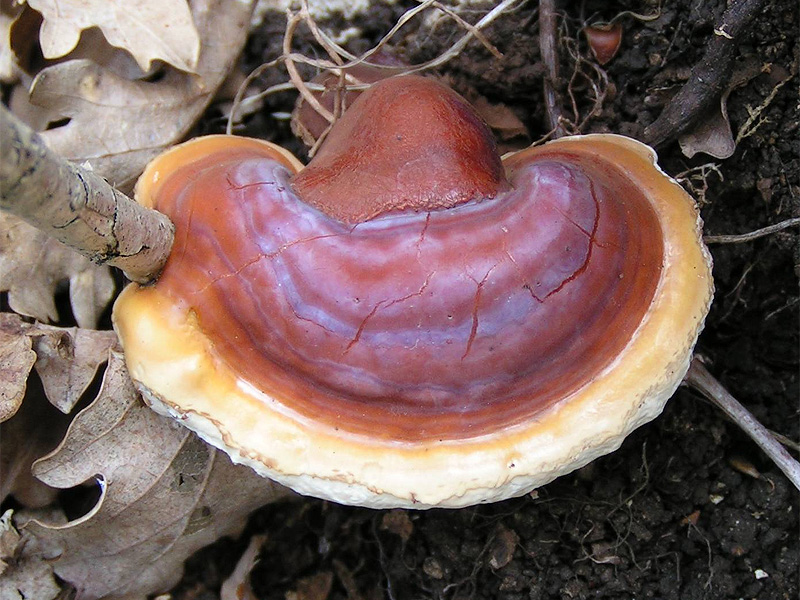
Two small trials of a specific Ganoderma lucidum extract improved symptom scores without changing urine flow, prostate size or PSA.
A randomized trial changed androgen precursors but not PSA or prostate volume; tissue delivery studies do not establish treatment.
Weight-reduction studies examine structured diet and activity programs, not stimulant or herbal weight-loss supplements.
A small phase I study reported PSA responses in a minority of men, but it lacked placebo control and cannot establish cancer treatment.
Human trials show tissue exposure and mixed PSA-related findings, without proof that sulforaphane improves survival or prevents progression.
Randomized and observational studies give different signals; calcium decisions should begin with bone and dietary needs, not cancer claims.
CoQ10 can change blood exposure and oxidative-stress markers, but prostate trials do not establish it as a stand-alone treatment.
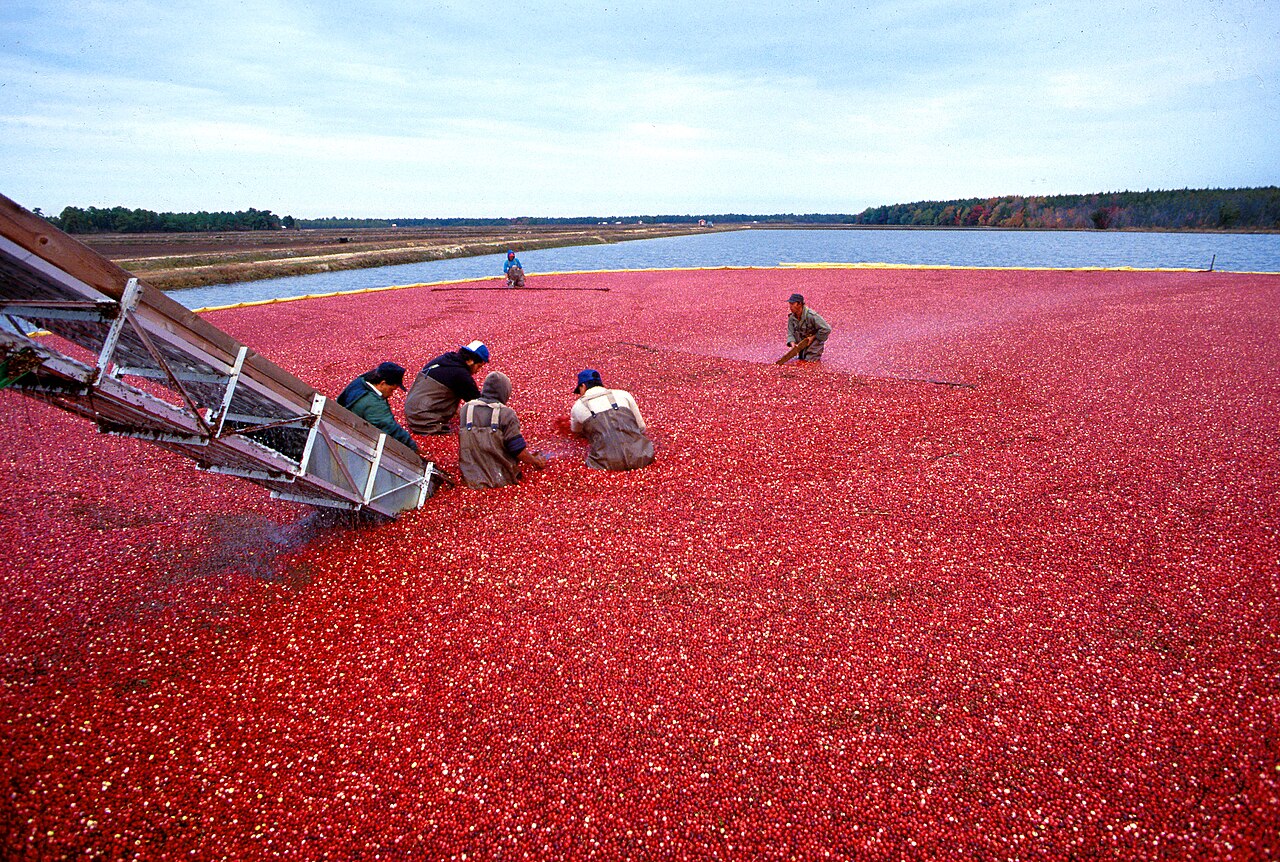
Small trials report symptom changes with defined cranberry powders, but they do not establish treatment for BPH, infection or prostate cancer.
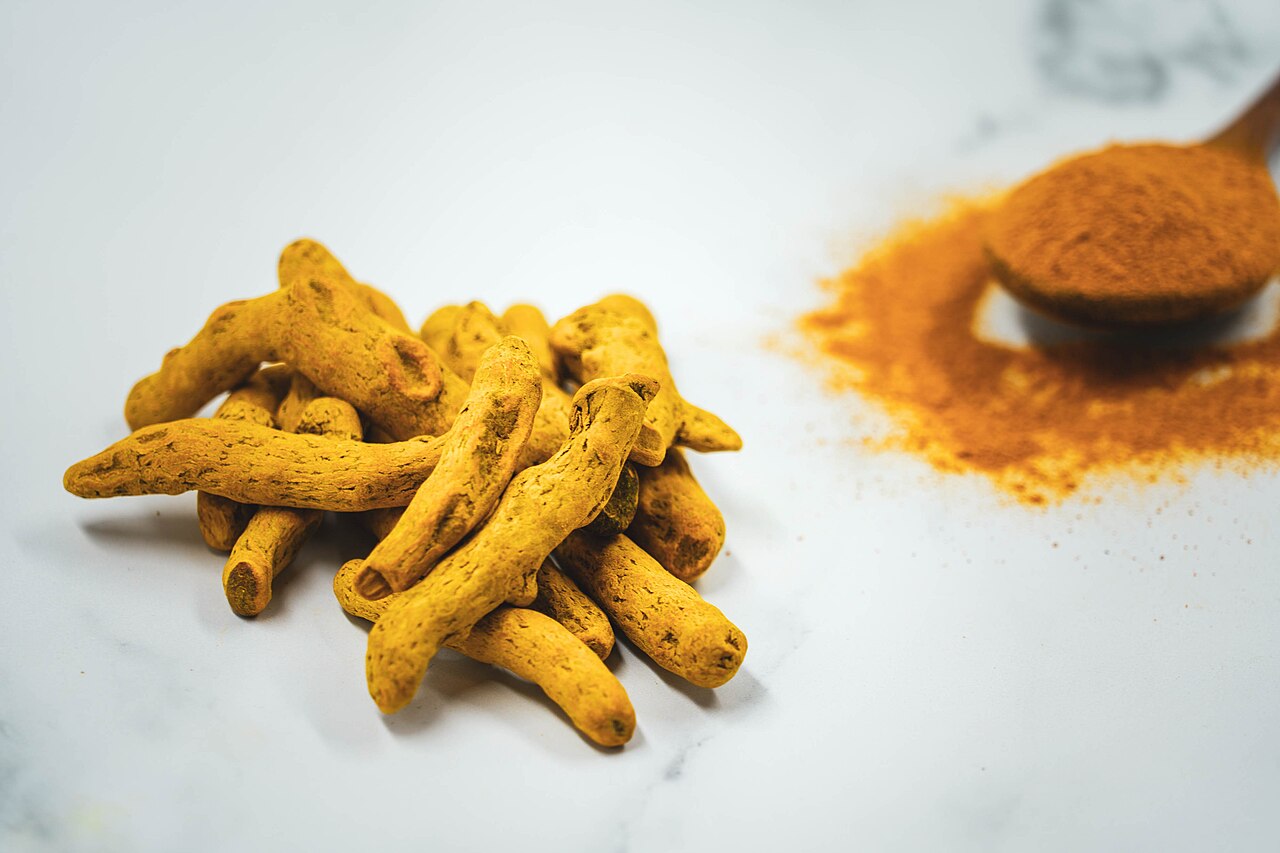
Curcumin studies address different diseases and endpoints; adjunctive BPH findings do not prove prostate cancer treatment.