Resveratrol and prostate growth: human trials do not support a “shrink the prostate” claim
A randomized trial changed androgen precursors but not PSA or prostate volume; tissue delivery studies do not establish treatment.

Human studies show exposure and hormone changes, but not evidence that resveratrol shrinks the prostate or treats prostate cancer.
Grape chemistry created a large claim
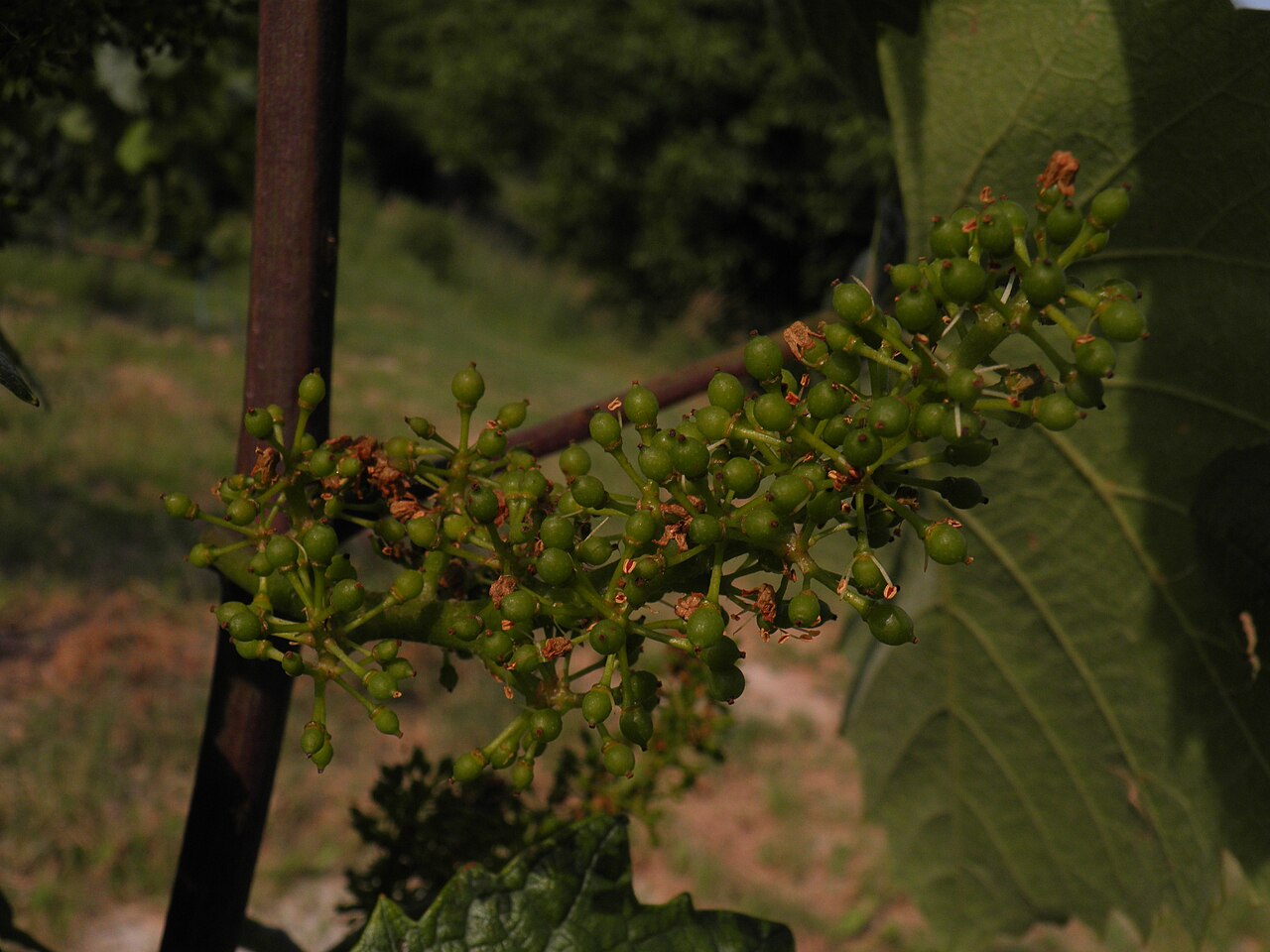
Resveratrol is a polyphenol found in grapes and sold in concentrated supplements. Cell and animal studies have explored effects on prostate growth, androgen signaling and cancer pathways. Those experiments generated hypotheses but did not reveal whether oral supplements help men with BPH or prostate cancer.
A capsule can deliver far more resveratrol than a normal serving of food. The word grape does not make a pharmacologic dose equivalent to diet.
The randomized prostate-volume trial was negative
A four-month randomized placebo-controlled trial assigned 66 middle-aged men with metabolic syndrome to 150 milligrams, 1,000 milligrams or placebo. High-dose resveratrol lowered several circulating androgen precursors, but testosterone, dihydrotestosterone, PSA and prostate volume did not change.
The distinction matters: a hormone precursor moved, while the prostate outcomes used in marketing did not. A mechanism cannot be declared successful when the clinical target remains unchanged.
Tissue delivery does not equal anticancer activity
A window study gave men either a diet-achievable or pharmacological resveratrol dose before prostate biopsy and measured distribution and metabolism in tissue. Such work answers whether compounds reach the prostate and what forms appear there.
It does not show fewer cancers, slower progression or improved survival. Exposure is one link in the evidence chain, not the endpoint.
A prostate-fibrosis trial asks another question
A small randomized study evaluated resveratrol in men with inflammation-related prostate fibrosis. Even if a defined fibrosis outcome improves, that result should not be transferred to BPH enlargement or cancer treatment without separate trials.
The same organ can contain different diseases. Marketing often erases that distinction by using the broad phrase prostate inflammation.
Formulation claims need direct confirmation
Resveratrol products vary in dose, purity and delivery technology. Enhanced absorption can increase blood exposure but does not prove greater benefit. A proprietary formulation needs its own controlled outcome data.
High doses may also create gastrointestinal effects or interactions. People using anticoagulants, cancer medicines or multiple supplements should review the exact product with a clinician or pharmacist.
The measured conclusion is narrower than the marketing
Current human evidence does not support resveratrol for shrinking the prostate. It also does not establish prostate cancer prevention or treatment. Eating grapes can be a food choice without a therapeutic claim.
When evaluating a study, ask whether it measured tissue exposure, a hormone, PSA, prostate volume or an actual cancer outcome. Those results cannot be used interchangeably.
A lower androgen precursor is not chemical castration
The high-dose randomized trial reduced DHEA, DHEA sulfate and androstenedione, but testosterone and DHT did not change. Marketing can present any hormone movement as evidence of hormone balance, yet the direction and clinical meaning depend on the pathway. The study did not show improved urinary symptoms, lower PSA or reduced prostate volume. A laboratory change should not be framed as a gentler version of a prescription BPH or cancer medicine.
The participants had metabolic syndrome rather than diagnosed BPH or prostate cancer, which further limits application. A result in middle-aged men with one metabolic profile cannot define therapy for an older man with obstruction or a patient undergoing oncology care. If resveratrol is used for another reason, the prostate trial offers some direct reassurance that volume did not enlarge over four months, but it does not establish long-term safety, symptom benefit or cancer prevention.
Wine is not a dosing strategy
Resveratrol marketing sometimes borrows from the so-called French paradox or the presence of the compound in red wine. Alcohol carries its own health risks, and wine provides far less resveratrol than high-dose trials. Drinking more wine is not a way to reproduce a capsule study. Likewise, a one-gram supplement cannot be described as equivalent to grapes. Food, alcohol and purified resveratrol should remain separate exposure questions, each judged by its own evidence and safety profile.
The evidence boundary
Future resveratrol trials would need men with a clearly defined prostate condition, a standardized preparation, adequate follow-up and outcomes that match the claim. Until then, a change in metabolites or tissue exposure should remain research information rather than a treatment recommendation.
Sources & further reading
This article provides educational information. Ask a qualified clinician or pharmacist about your symptoms, medical conditions, medicines and supplement interactions.