Weight loss and male urinary symptoms: lifestyle trials do not validate fat burners
Weight-reduction studies examine structured diet and activity programs, not stimulant or herbal weight-loss supplements.

Weight management may help some men with urinary symptoms, but evidence for lifestyle programs cannot be transferred to fat-burning supplements.
Obesity and urinary symptoms are associated
Prospective studies have linked higher overall and abdominal adiposity with development or progression of lower urinary tract symptoms. Association does not prove that body fat is the only cause, but it supports studying weight management as one part of care.
Urinary symptoms can still reflect BPH, bladder dysfunction, diabetes, medicines, sleep problems and other conditions. A weight explanation should not replace evaluation.

A randomized trial tested a comprehensive program
A 52-week randomized study enrolled 130 obese men with BPH-related symptoms. All received standardized alpha-blocker therapy, then participants were assigned either general weight-reduction information or a comprehensive program.
The design tested extra behavioral support on top of medical treatment. It did not test a weight-loss supplement, and it cannot show that a stimulant or botanical product reproduces the result.
Diet studies suggest modest symptom changes
Studies of low-energy diets and meal replacements in obese men have reported weight loss alongside improved urinary symptom scores. Some compared higher-protein and higher-carbohydrate approaches over longer follow-up.
These trials changed total energy intake and body weight within structured programs. A capsule marketed as metabolism support is a different intervention even if it leads to a small change on the scale.
The mechanism may involve more than prostate size
Weight loss can alter glucose control, inflammation, mobility, sleep and fluid patterns. Improvement in urinary symptoms does not prove that the prostate shrank. A person may feel better through several pathways while anatomical BPH remains.
This is why symptom scores, urine flow and prostate volume should not be treated as interchangeable outcomes.
Fat burners add separate safety questions
Weight-loss supplements may contain stimulants, diuretics or undeclared ingredients. Stimulants can worsen sleep or urgency, while diuretic effects can increase urination. A product could move weight and urinary symptoms in opposite directions.
FDA warnings about contaminated weight-loss products are another reason not to treat a lifestyle trial as proof for a commercial supplement.
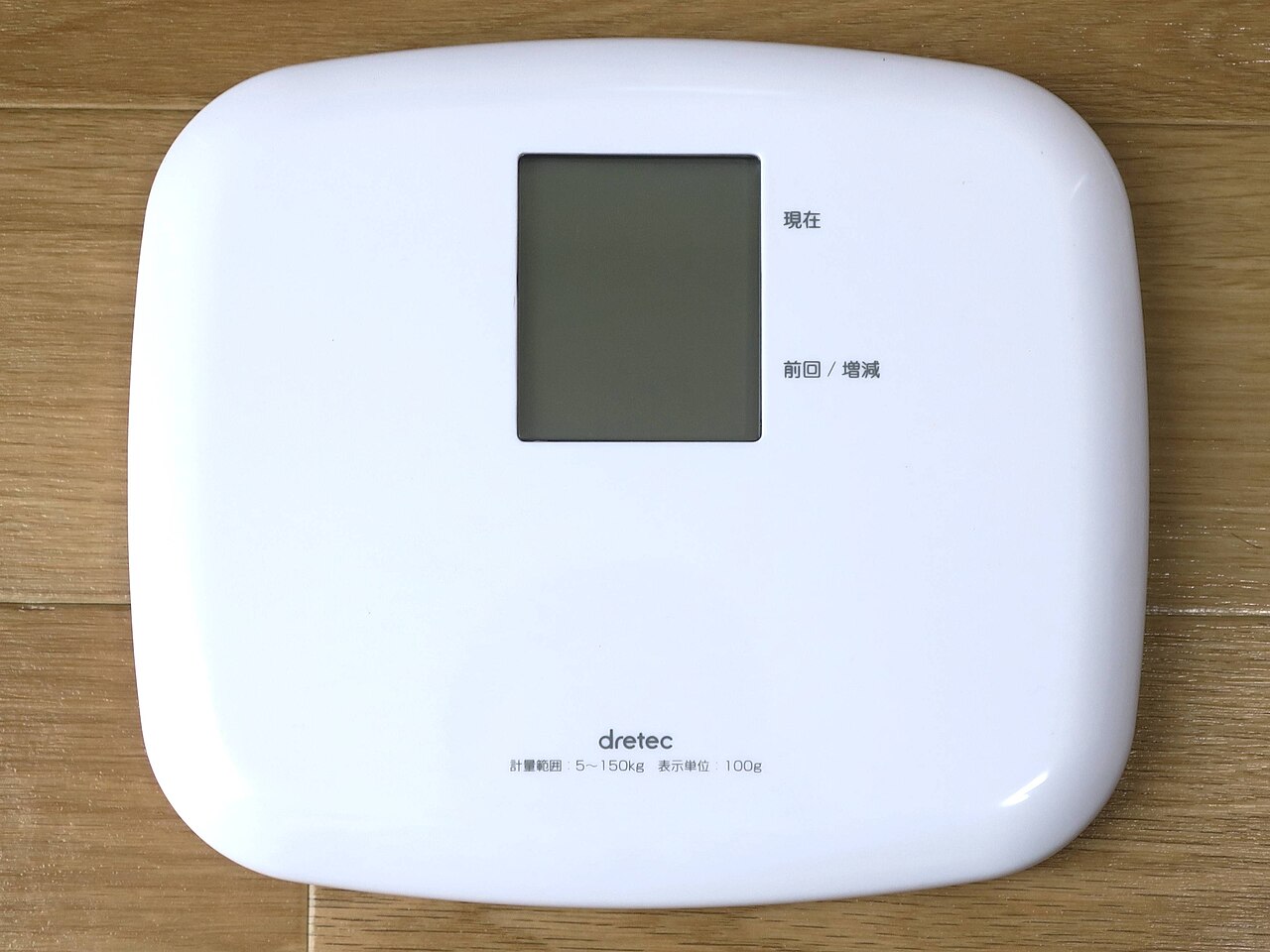
Build the plan around the actual goal
For an overweight man with LUTS, a clinician can review symptom severity, diabetes risk, medicines and a realistic weight strategy. Sustainable diet, activity and indicated medical obesity treatments have evidence that differs from over-the-counter formulas.
Weight management may be useful, but it is not a substitute for evaluating blood, pain, infection, retention or progressive symptoms. The published trials support structured lifestyle intervention—not a prostate claim for fat burners.
Weight change is not the only outcome to track
A comprehensive program may improve waist circumference, glucose control, blood pressure, fitness and sleep even when urinary symptoms change only modestly. Those benefits can justify the intervention without promising prostate shrinkage. Conversely, a rapid scale decrease from dehydration may worsen dizziness or urinary frequency and does not reproduce the physiology of sustained fat loss.
When LUTS and obesity coexist, useful tracking can include waist, weight, IPSS, fluid timing, sleep quality and medication changes. These measures help distinguish a genuine pattern from normal symptom fluctuation. The goal is not to prove that every urinary improvement came from weight loss; it is to coordinate metabolic and urologic care. A supplement advertisement rarely provides that context, which is why evidence from multidisciplinary programs should stay attached to those programs.
Avoid promising a urinary payoff from every pound
The relationship between weight and LUTS is probabilistic, not a guarantee that symptoms fall in direct proportion to weight. Some men may lose substantial weight with little urinary change because obstruction or bladder dysfunction remains. Others may feel better through sleep, mobility or glucose improvements. Setting broader health goals reduces the pressure to judge a sound weight plan solely by bathroom frequency and helps identify when separate urologic treatment is still needed.
The evidence boundary
The best-supported takeaway is not a target number of pounds or a particular commercial diet. It is that weight management can be considered alongside established LUTS care for men with obesity. The intervention should be chosen for overall health, safety and sustainability, then urinary symptoms assessed separately and honestly.
Sources & further reading
This article provides educational information. Ask a qualified clinician or pharmacist about your symptoms, medical conditions, medicines and supplement interactions.