PC-SPES and the contamination lesson: why a strong supplement effect can be a warning sign
The recalled prostate-cancer formula contained undeclared drugs, showing why dramatic supplement results require identity testing.

PC-SPES is a historical warning: apparent herbal activity can reflect undisclosed pharmaceuticals and variable manufacturing.
A popular prostate formula produced drug-like effects
PC-SPES was an eight-herb product sold for prostate cancer in the late 1990s and early 2000s. Reports described falling testosterone and PSA, which made the formula appear unusually powerful for an over-the-counter botanical mixture.
A dramatic effect can attract interest, but it should also raise questions about composition, pharmacology and consistency. Natural branding does not explain a prescription-like response.

Chemical testing found undeclared pharmaceuticals
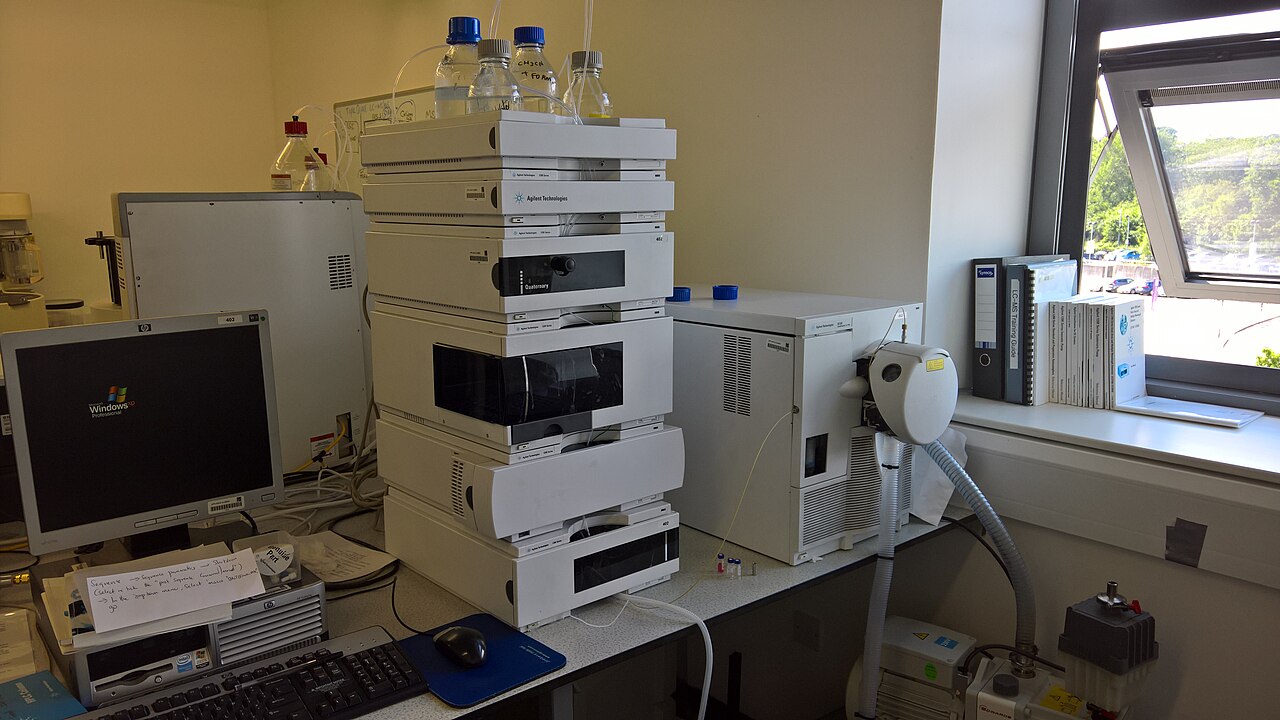
Mass-spectral and other analyses identified diethylstilbestrol, an estrogenic drug, in tested PC-SPES material. Separate analyses found lot-to-lot variation and detected warfarin and indomethacin in some products.
These were not minor label differences. Undeclared anticoagulant, anti-inflammatory and hormonal drugs could cause adverse effects and interactions while patients and clinicians believed they were managing an herbal supplement.
Clinical trials became difficult to interpret
A randomized phase II trial compared PC-SPES with diethylstilbestrol in androgen-independent prostate cancer. Because the supplement itself was contaminated and later withdrawn, its apparent activity could not be cleanly attributed to the listed herbs.
A trial can be randomized and still answer the wrong question if the test product is mischaracterized. Product identity is part of the scientific method, not a separate consumer detail.
The recall did not validate a purified herbal theory
After withdrawal, investigators tested reformulated successors intended to remove the contaminants. Those products were new interventions and could not inherit the original results. Removing an undeclared drug may remove both risk and the very activity that made the original formula appear effective.
This is why testimonials and historical PSA responses cannot validate a modern product that uses similar branding or herbs.
Modern quality seals answer only part of the problem
Third-party testing can help confirm identity, potency and contamination. It cannot prove that a correctly manufactured formula treats cancer. Quality and efficacy are separate questions, and both must be answered.
A clean product may be ineffective; an apparently effective unverified product may contain something else. PC-SPES demonstrated the danger of collapsing those questions.
The lesson applies beyond one discontinued brand
Patients should disclose every supplement during cancer care and avoid formulas that promise drug-like results while discouraging medical oversight. FDA warnings, recalls and independent testing deserve more weight than natural imagery or a long ingredient list.
PC-SPES is best understood as a historical safety guide, not a treatment option. Its story argues for traceable manufacturing, analytical verification and controlled trials of the actual product being sold.
Undeclared drugs distort both benefit and harm
Diethylstilbestrol can lower testosterone and PSA, so its presence offered a pharmacological explanation for effects attributed to herbs. Warfarin could increase bleeding, while indomethacin could contribute gastrointestinal, kidney and cardiovascular risks. Because amounts varied by lot, two consumers taking the same labeled product might receive different drug exposures. That variability makes dose-response reasoning and adverse-event attribution extremely difficult.
The episode also shows why a supplement's apparent effectiveness should never excuse weak quality control. If a formula produces changes comparable with prescription therapy, investigators should verify identity before celebrating an herbal mechanism. Modern analytical techniques can detect known adulterants, but testing must be repeated across lots and cannot anticipate every possible drug analog. Regulatory notices and recalls are therefore not merely manufacturing news; they directly affect whether clinical claims can be trusted.
Patient reports were real even when the label was wrong
Some men likely experienced genuine PSA changes or side effects. Discovering contamination does not mean those experiences were imaginary; it changes the explanation. The response may have come from undeclared estrogenic activity rather than the advertised botanicals. This distinction matters ethically because patients deserve to know what exposure produced an effect. It also prevents the false conclusion that recreating the herb list will recreate the result.
The evidence boundary
Today, consumers can search FDA health-fraud notices and recalls, but absence from a list does not guarantee that a product has been tested. Clinicians can also report serious suspected reactions through MedWatch. Preserving packaging, lot numbers and purchase records may help an investigation when contamination or mislabeling is suspected.
Sources & further reading
This article provides educational information. Ask a qualified clinician or pharmacist about your symptoms, medical conditions, medicines and supplement interactions.