Reishi extract for male urinary symptoms: the score improved, but flow and size did not
Two small trials of a specific Ganoderma lucidum extract improved symptom scores without changing urine flow, prostate size or PSA.
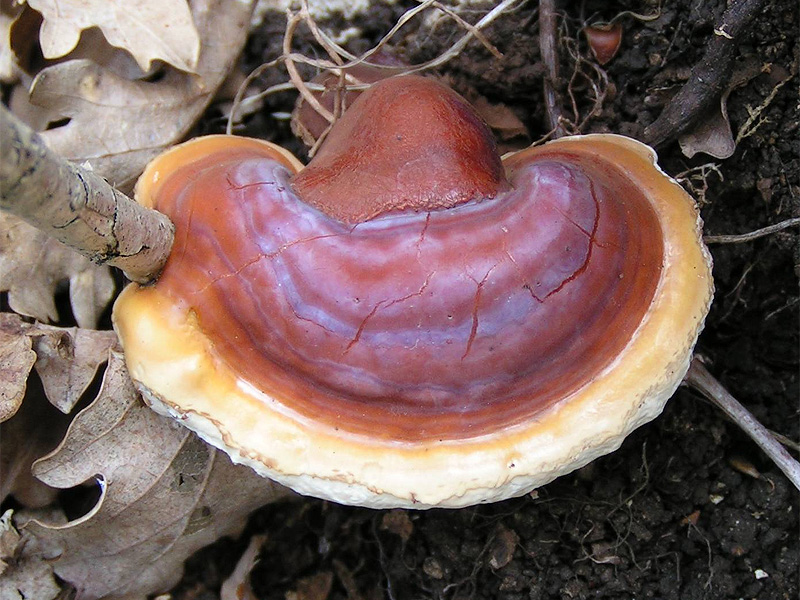
A specific reishi extract modestly improved symptom scores, not objective obstruction measures or prostate size.
Reishi research used a particular extract
Ganoderma lucidum, often called reishi, is sold as powders, capsules and extracts. Two prostate-related trials used a specific ethanol extract selected partly for laboratory 5-alpha-reductase activity. A generic mushroom powder is not automatically the same intervention.
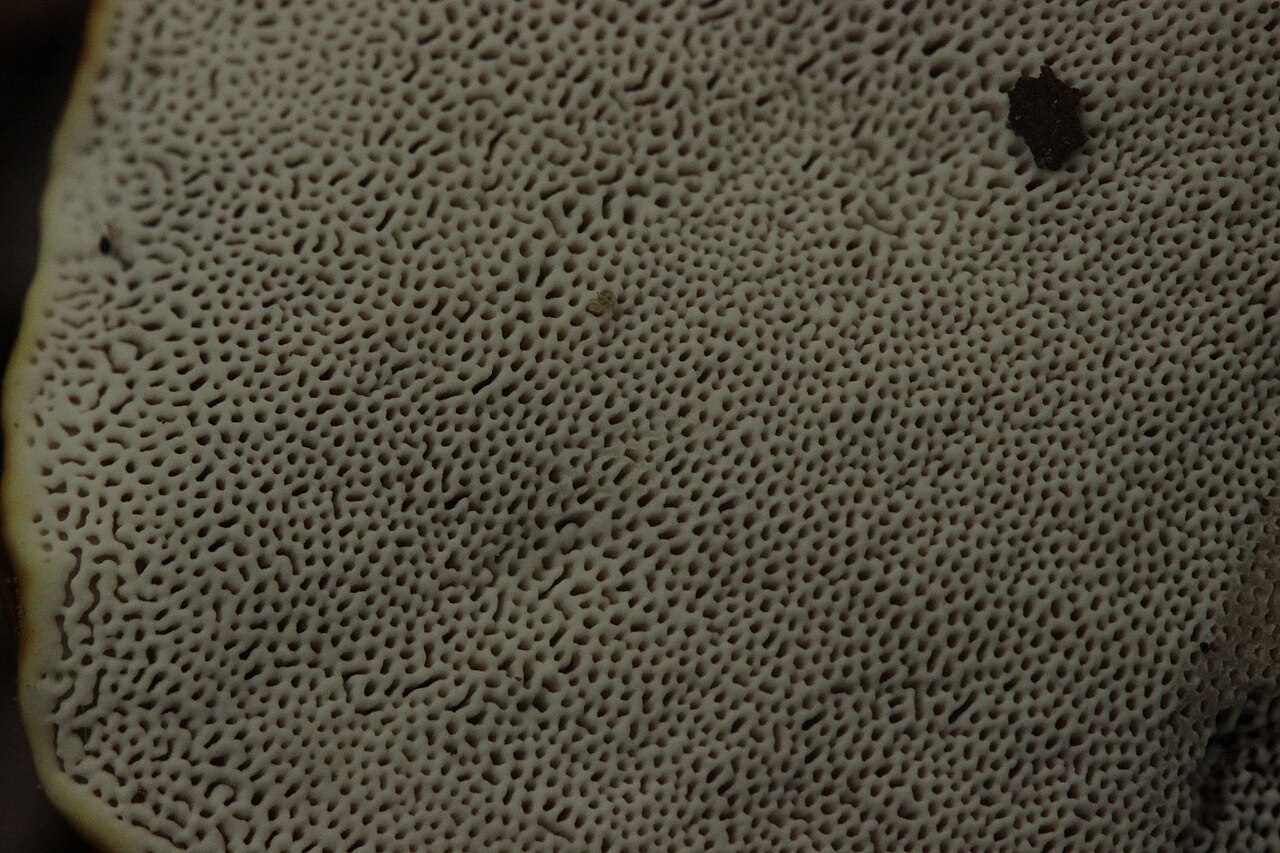
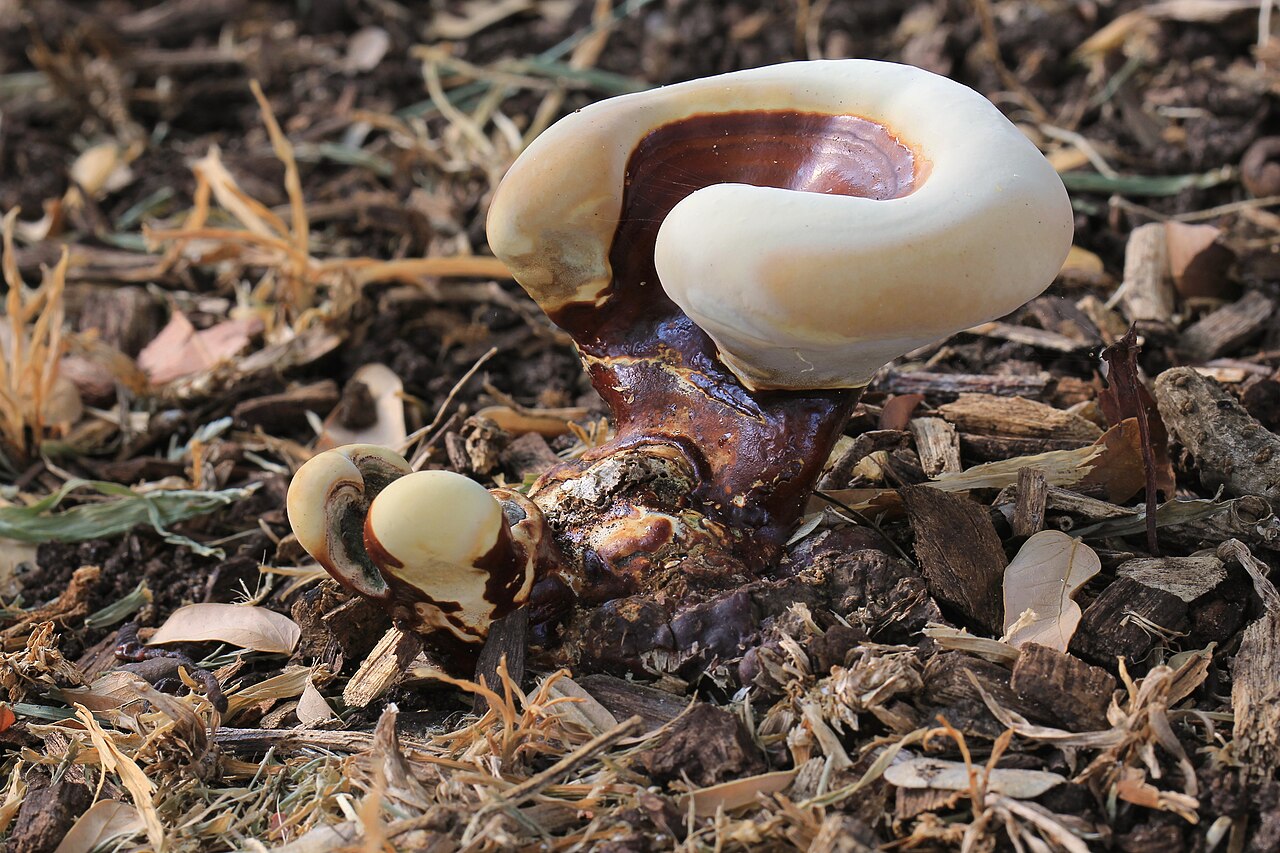
Species, fruiting body versus mycelium, extraction and standardization affect composition. The evidence begins with product identity.
The dose-ranging trial found a symptom signal
A double-blind dose-ranging study randomized 50 men with mild to moderate lower urinary tract symptoms to placebo or several extract doses for eight weeks. Symptom scores improved at some doses, and the researchers selected six milligrams for further testing.
Peak flow, residual urine, prostate volume and PSA did not change. The result therefore concerned perceived symptoms rather than anatomical shrinkage or improved obstruction.
The confirmatory trial remained small and short
A second randomized placebo-controlled study enrolled 88 men for 12 weeks. The extract produced a statistically greater reduction in the International Prostate Symptom Score, with a mean between-group difference of about 1.2 points.
Quality of life, urinary flow, residual urine, prostate volume, PSA and testosterone did not differ. Statistical significance does not automatically mean the change was large enough to matter to every patient.
Laboratory enzyme activity is not finasteride equivalence
The extract was chosen because it inhibited 5-alpha-reductase in preclinical testing. That does not make it a natural version of finasteride. Prescription medicines have defined pharmacology, manufacturing and outcome data that cannot be assigned to a mushroom extract through one enzyme experiment.
The human trials did not show prostate shrinkage, a change in testosterone or a change in PSA.
Cancer claims require separate evidence
Reishi products are also marketed for immunity and cancer. An open-label study of reishi or another medicinal mushroom after prostate-cancer treatment found no meaningful PSA responses. That study was not the same LUTS extract, but it underscores that symptom research cannot be converted into cancer therapy.
The word prostate on both study populations does not make the outcomes interchangeable.
Keep a modest symptom result modest
Men considering reishi should compare the exact extract and dose with the trials, define the symptom goal and reassess rather than using it indefinitely. Persistent or progressive symptoms require evaluation for BPH and other causes.
The evidence supports a limited statement: one standardized extract modestly improved symptom scores over weeks. It did not improve objective flow, reduce prostate size or demonstrate cancer prevention.
A one-point difference needs clinical context
The confirmatory trial's mean between-group IPSS difference was approximately 1.18 points. On a 35-point scale, that is statistically clear but smaller than improvements often seen with established medicines and may fall below what many individuals perceive as meaningful. Average results also hide variation: some men may improve more, some not at all and some may fluctuate regardless of treatment.
Short follow-up leaves unanswered whether the effect lasts, whether tolerance changes or whether the extract prevents retention and procedures. The trials did not compare reishi with an alpha blocker or other active treatment. Cost, product matching and opportunity cost therefore matter. Spending months on an unmatched mushroom blend could delay evaluation or a more effective intervention. A modest symptom signal can justify research without becoming the default choice for persistent LUTS.
Safety data were limited to selected volunteers
The trials reported good short-term tolerability, but they enrolled men who met inclusion criteria and were followed for weeks, not years. Rare reactions, liver injury reports associated with some mushroom products, allergies and medicine interactions require product-specific review. A multi-mushroom immune blend adds ingredients absent from the LUTS trials. Good tolerability for six milligrams of one extract should not be generalized to gram quantities of another preparation.
The evidence boundary
A credible future study would compare the standardized extract with placebo and an established active treatment, define a clinically meaningful IPSS change, and follow retention, procedures and adverse effects. Without those clinical data, the current result remains an interesting but modest symptom finding.
Sources & further reading
This article provides educational information. Ask a qualified clinician or pharmacist about your symptoms, medical conditions, medicines and supplement interactions.