Broccoli sprout extract and sulforaphane for prostate cancer: biomarkers are not survival
Human trials show tissue exposure and mixed PSA-related findings, without proof that sulforaphane improves survival or prevents progression.
Sulforaphane reaches prostate tissue and can affect research markers, but trials have not established it as cancer treatment.
Cruciferous-vegetable research led to concentrated extracts
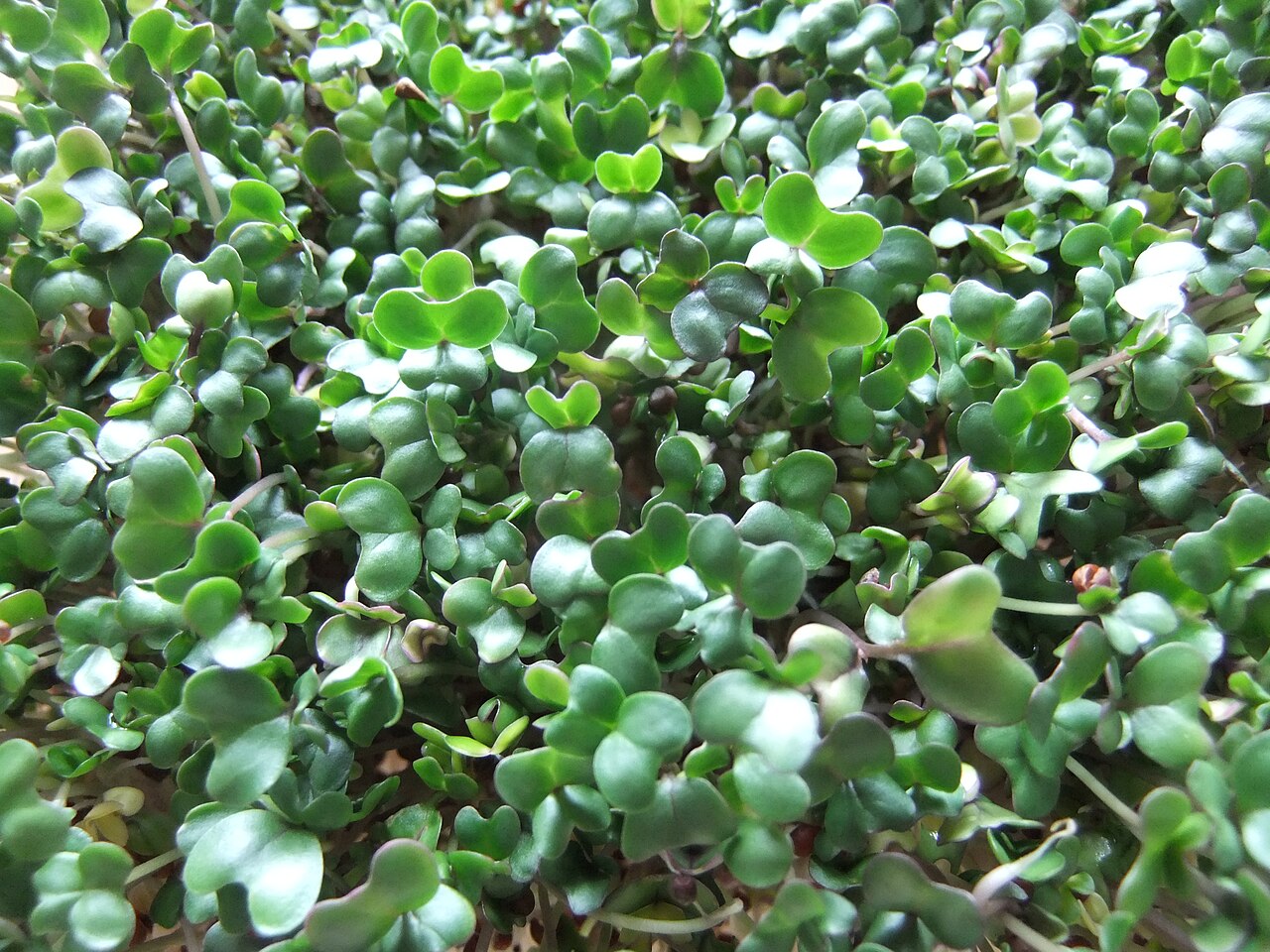
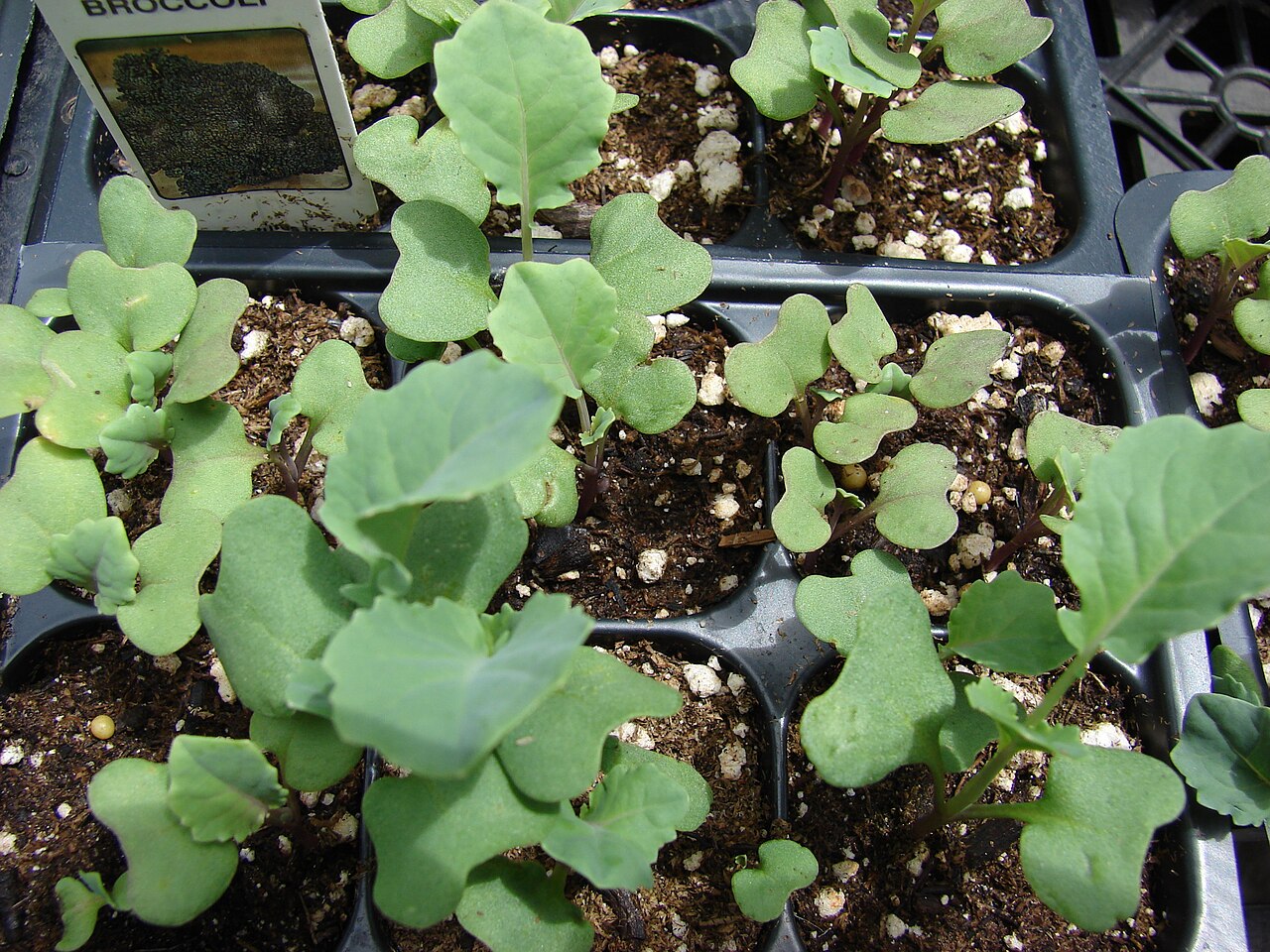
Broccoli and broccoli sprouts contain glucoraphanin, which can be converted to sulforaphane. Laboratory findings led researchers to test concentrated preparations in men at risk for or already diagnosed with prostate cancer. A food association, a standardized extract and purified sulforaphane remain different interventions.
A randomized placebo-controlled study gave broccoli sprout extract to 98 men scheduled for prostate biopsy. Researchers measured blood activity, prostate gene expression and tissue biomarkers. The study demonstrated exposure and biological investigation, not prevention of future cancers.
Biochemical recurrence trials focus on PSA dynamics
A double-blind multicenter trial randomized 78 men with rising PSA after prostatectomy to sulforaphane or placebo. PSA doubling time was longer in the sulforaphane group. That finding is scientifically interesting, but PSA timing is a surrogate outcome rather than direct evidence of delayed metastasis or longer survival.
Another phase II study treated 20 men with recurrent disease using sulforaphane-rich extract. Only one participant achieved the prespecified 50% PSA decline, so the primary endpoint was not met. Smaller PSA declines and a change in doubling time generated hypotheses for further study.
A 2026 trial adds mechanistic evidence, not a clinical verdict
A 2026 bench-to-bedside study randomized men with prostate cancer to a commercial sulforaphane formulation or placebo and evaluated fatty-acid synthesis. Such trials can connect a supplement to a proposed pathway in human tissue. They still do not show that the pathway change improves a patient's course.
Mechanistic precision can make a result sound clinically stronger than it is. The useful question remains whether participants experienced less progression, fewer metastases or improved survival—not only whether an enzyme or gene signature moved.
Preparation and conversion vary
Sulforaphane exposure depends on the source material, stability and conversion from glucoraphanin. Products may contain broccoli powder, sprout extract, glucoraphanin plus myrosinase or stabilized sulforaphane. Milligrams on two labels may not describe comparable active exposure.
A product that cites one formulation should identify how its own preparation matches. Greater bioavailability does not establish greater cancer benefit; it only answers part of the exposure question.
Broccoli can be food without becoming oncology
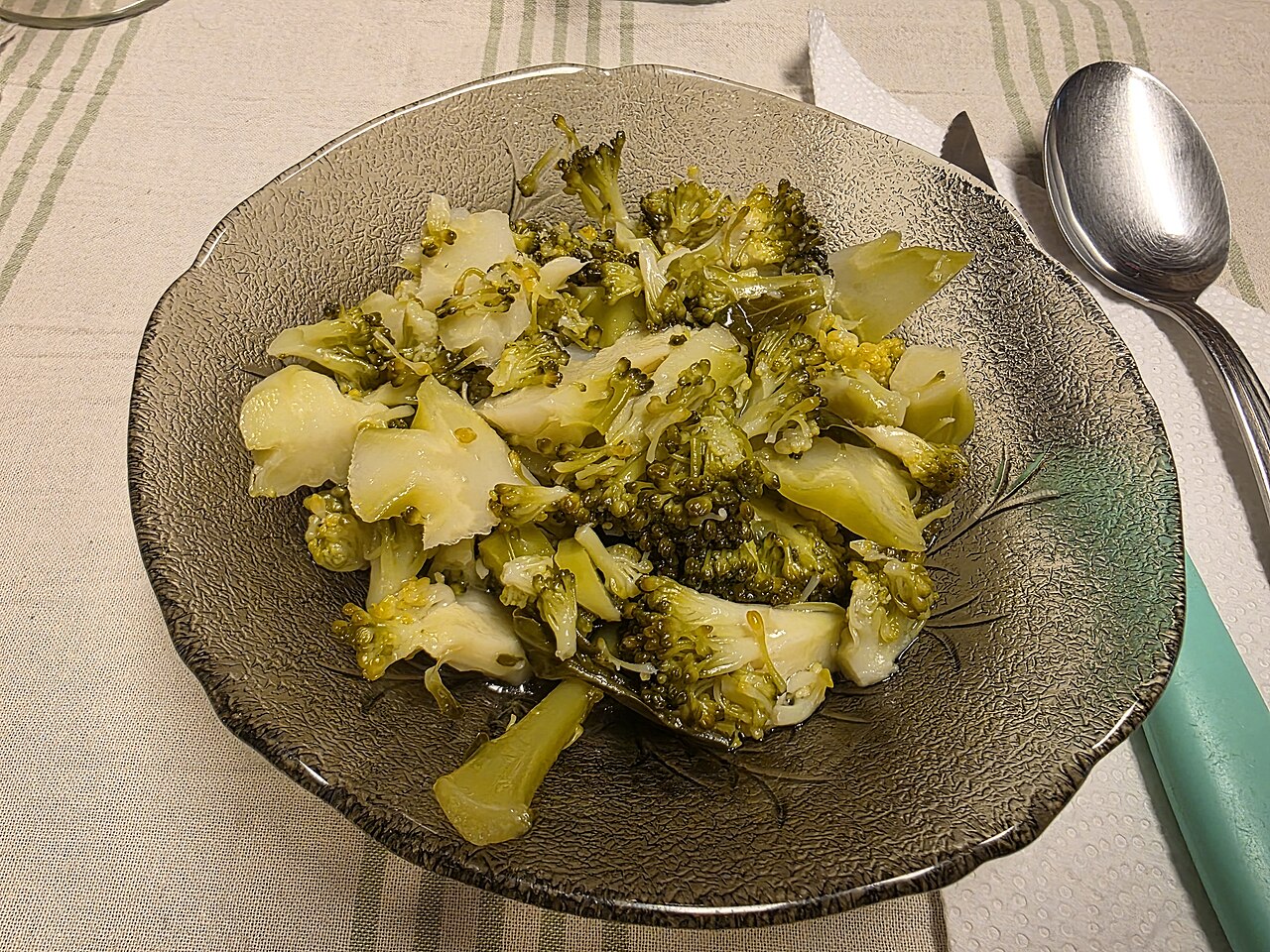
Eating cruciferous vegetables can fit a varied diet without treating each serving as cancer therapy. A concentrated product taken to influence recurrence is different and belongs in a conversation with the oncology team. It should not replace PSA follow-up, imaging, salvage treatment or another recommended step.
Current trials support continued research into sulforaphane and prostate biology. They do not establish a dose that prevents progression or improves survival, and they do not validate every broccoli supplement sold for prostate health.
Read PSA-doubling claims with discipline
Ask whether the study had a placebo, whether the PSA-doubling comparison was prespecified and whether a clinical outcome followed. A longer doubling time can be relevant, but its importance depends on the disease setting and confirmation. Marketing often removes that context and turns a research signal into treatment language. The responsible summary keeps PSA dynamics separate from outcomes the trial did not measure.
Food preparation is another source of variation
The conversion of glucoraphanin to sulforaphane depends partly on myrosinase, an enzyme that can be affected by processing and heat. That is why broccoli powder, cooked vegetables, fresh sprouts and supplements with added myrosinase may produce different exposure. The chemistry can help explain trial design, but it does not allow consumers to calculate an anticancer regimen in the kitchen. Human trials still have to connect a defined preparation with a meaningful outcome. When a product advertises a standardized precursor amount, look for evidence that the conversion and exposure were measured and that the clinical claim—not only the chemistry—was tested.
A negative primary endpoint remains informative
When a trial fails to meet its prespecified PSA or proliferation endpoint, the result should not be rescued by selecting a smaller favorable marker after the fact. Secondary findings can guide the next study, but they carry more uncertainty. Clear reporting of negative results protects readers from mistaking research activity for established treatment and helps future trials ask sharper questions.
Sources & further reading
- Sulforaphane bioavailability and chemopreventive activity in men presenting for prostate biopsy: a randomized trial ↗
- Effect of sulforaphane in men with biochemical recurrence after radical prostatectomy ↗
- A phase II study of sulforaphane-rich broccoli sprout extracts in men with recurrent prostate cancer ↗
- Bench-to-bedside evaluation of sulforaphane on fatty acid synthesis in prostate cancer ↗
This article provides educational information. Ask a qualified clinician or pharmacist about your symptoms, medical conditions, medicines and supplement interactions.