Max T Review: A Detailed Men’s Wellness Guide for Prostate-Conscious Shoppers
Explore Max T’s current botanical formula, nutrient amounts, saw palmetto context, human ingredient research, daily convenience, and current purchase terms.
Max T combines recognizable botanicals with a substantial nutrient panel in a coordinated format. Its appeal is broader men’s wellness; confirm the full serving and keep prostate and hormone care connected to appropriate evidence.
An organized approach to a broader wellness interest
A man who pays attention to prostate health may also be interested in sexual well-being, active living, and making his supplement routine easier to understand. Max T Testosterone Support offers a broad formula aimed at male vitality, combining named botanicals with minerals, vitamin B6, and a circulation-oriented complex. Its current T-Synex presentation gives those ingredients one product identity and one purchasing decision.
For Prostate Health Digest, that creates a useful opportunity to examine the formula beyond its headline. This is a documentary review of the current official materials, selected human ingredient research, and practical purchase details. It does not describe personal use, a clinical hormone response, or a urinary-symptom trial. The positive question is whether the product's coordinated format and identifiable components fit a reader's wider wellness preferences while prostate-related decisions remain grounded in their own evidence and appropriate care.
The product’s role should be defined clearly
Max T is presented for testosterone support and men's vitality. That does not make it testosterone replacement, a treatment for benign prostate enlargement, or a solution for every urinary concern. A reader can be interested in the supplement's actual formula while pursuing a separate plan for prostate health. Defining that role early helps prevent a broad category name from carrying more clinical meaning than the evidence supports.
This distinction also makes comparisons more useful. A man considering a combined botanical product may value convenience and a recognizable ingredient core. Someone mainly seeking relief from urinary symptoms needs evidence for that specific outcome and an assessment of the cause. Those are different decisions. The formula's appeal does not depend on merging them. Its ingredients, declared quantities, and purchase options can be assessed positively as a men's-wellness offering without silently assigning the bottle a prostate-treatment indication.
The current panel provides several concrete details
The displayed Vasoflux Matrix lists fenugreek at 450 milligrams, Long Jack at 406.5 milligrams, and KSM-66 ashwagandha root at 225 milligrams. The NitroX System adds magnesium as oxide at 124.5 milligrams, zinc as oxide at 22.5 milligrams, and vitamin B6 as pyridoxine hydrochloride at 7.5 milligrams. That specificity is a useful feature for someone who wants to understand what a product would add to an existing routine.
The image has an amount-per-serving heading without a visible serving-size or capsule-count line. The page describes one capsule daily, but that does not independently establish that all panel quantities belong to one capsule. Request the complete current bottle instructions before calculating daily intake or comparing with research. A partial label can still provide meaningful information, yet its missing serving definition should not be filled with an assumption. Clarification makes every later comparison more reliable.
Saw palmetto is one part of a wider complex
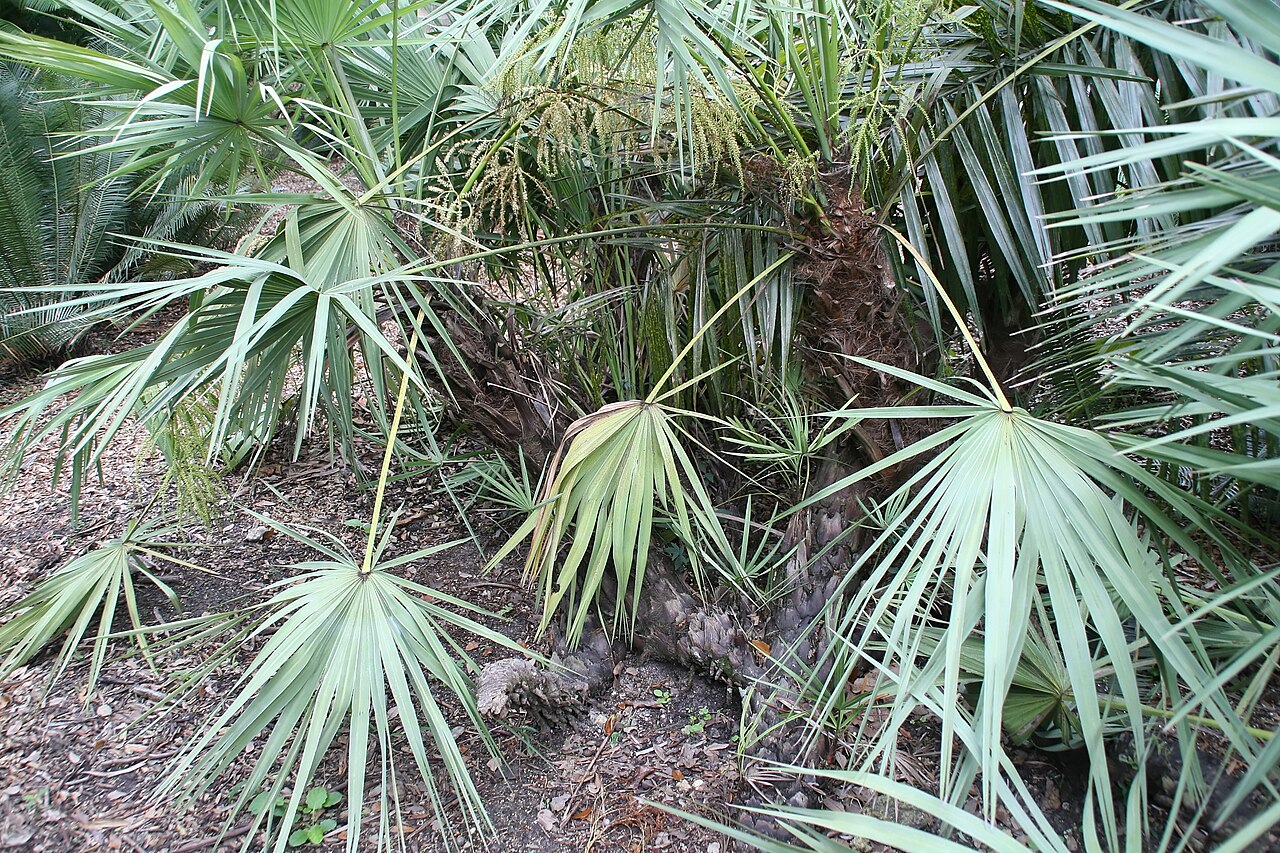
Saw palmetto appears within Max T's 975-milligram ImperiFlow Circulation Complex, alongside eleven other listed components. Its individual amount is not disclosed. That means the total should not be read as a saw-palmetto dose, and the formula cannot be matched to a clinical preparation simply because the plant's name appears. A prostate-conscious buyer should distinguish the familiarity of an ingredient from evidence for the actual product and exposure.
NCCIH's current summary reports little or no benefit from saw palmetto alone for symptoms associated with benign prostate enlargement. Its inclusion here does not establish a different outcome from the complete blend. Max T can still be interesting for its broader men's-wellness concept, quantified core, and coordinated format. The positive case is stronger when it rests on those visible features rather than borrowing a prostate benefit from a familiar botanical association that the reviewed evidence does not support.
The remaining complex creates breadth
Arginine, tribulus, horny goat weed, tongkat ali, maca, citrulline, Butea superba, muira puama, damiana, Xanthoparmelia scabrosa, and rhodiola complete the supporting list. A buyer who prefers a broad combination may find this variety attractive. It reduces the number of separate ingredient purchases required to consider several familiar men's-wellness categories, which can make shopping and reordering more organized.
The 975-milligram figure applies to the whole complex, not each ingredient. Undisclosed individual amounts limit precise research comparisons and prevent a calculation of the contribution from any one component. Long Jack and tongkat ali commonly refer to the same botanical, so separate appearances do not establish a calculable combined exposure. The visible product feature is breadth and consolidation. Demonstrating that the complete mix produces an additional clinical benefit would require research on that actual formula rather than a collection of separate ingredient studies.
Zinc makes the whole-routine review especially useful
The current panel's 22.5-milligram zinc entry represents 204 percent of Daily Value. That is meaningful nutritional information for someone who already uses a multivitamin or another men's-health product. A disclosed amount is a positive feature because overlapping contributions can be counted rather than guessed. The oxide form is also identified, allowing a more specific comparison than an unnamed mineral blend would.
NIH lists 40 milligrams per day as the adult upper intake level for zinc and notes that chronic excessive intake can affect copper status. The label amount is below that limit per stated serving, but the actual daily exposure and other products matter. Higher percentages also do not establish a prostate or testosterone advantage in an adequately supplied person. The practical goal is a clear total routine: know what the current serving supplies, identify overlaps, and decide whether the coordinated formula simplifies the supplement plan rather than duplicating it.
Magnesium and vitamin B6 add another comparison point
Magnesium is displayed at 124.5 milligrams, or 30 percent of Daily Value, and vitamin B6 at 7.5 milligrams, or 441 percent. Their normal physiological roles make them understandable components of a broad wellness formula. A reader who likes nutritional foundations alongside botanicals may appreciate that combination, particularly because the forms and amounts are visible for comparison with products already being used.
Physiological importance is different from proof that extra intake improves hormones, energy, or urinary symptoms. A randomized zinc-magnesium-vitamin B6 trial in resistance-trained men did not show enhanced training adaptations. Supplemental magnesium can also affect digestion, and its form influences absorption. These points help interpret the nutrient panel accurately rather than diminish its usefulness. Once the serving basis is confirmed, the buyer can judge the actual contribution and decide whether it is a welcome consolidation or an unnecessary additional source.
Long Jack gives the formula a human-study connection
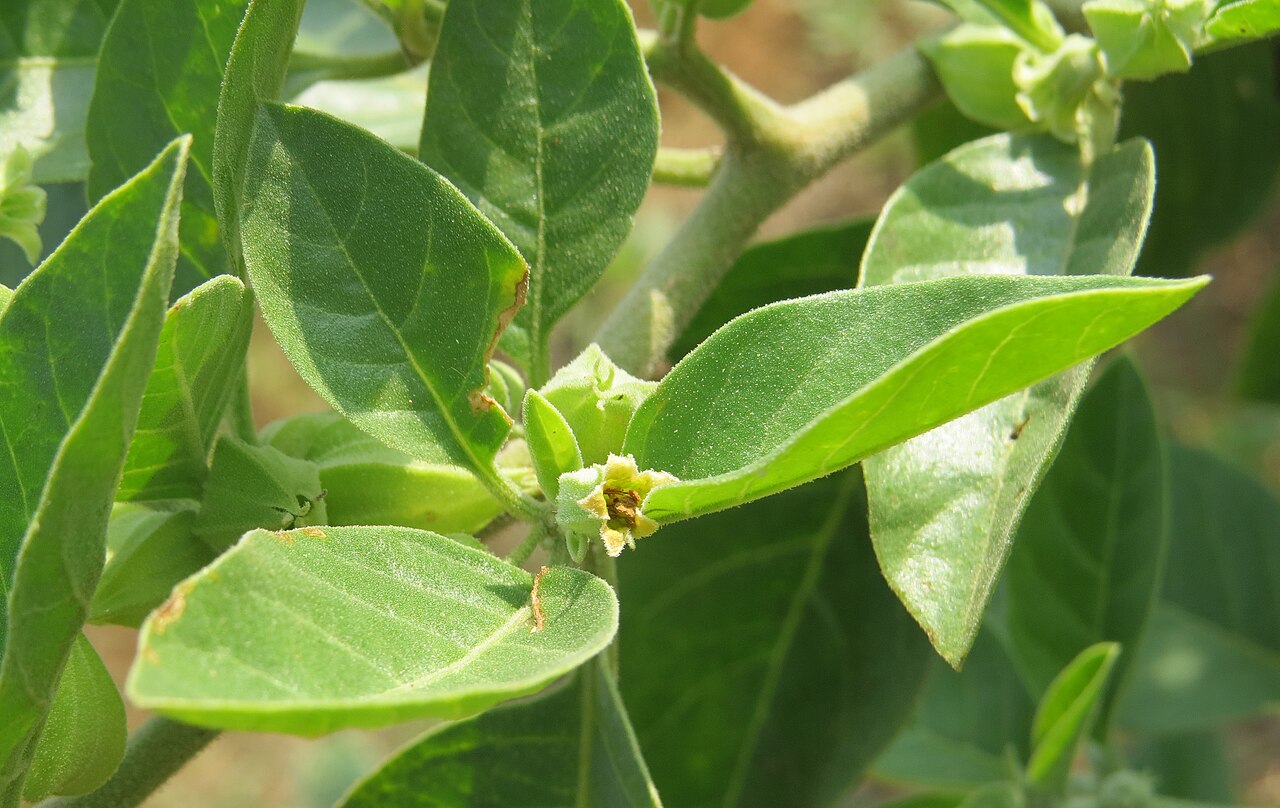
Long Jack is commonly associated with Eurycoma longifolia, also called tongkat ali. A randomized study of a specific aqueous extract followed 109 men aged 30 to 55 over twelve weeks and reported favorable selected sexual-well-being findings. That provides a substantive clinical research trail and helps explain why the botanical is frequently considered for men's-vitality formulations.
The studied preparation supplied 300 milligrams daily. Max T's displayed 406.5-milligram entry does not establish equivalence or a larger benefit, because extract composition and the complete serving are relevant. The study also was not a prostate-symptom trial or a clinical test of this finished product. For the buyer, the attractive feature is an identifiable ingredient that can be investigated through primary research. The exact retail formula remains its own intervention, with its outcomes requiring evidence tied to the current preparation and actual exposure.
KSM-66 connects with active-lifestyle research
The named KSM-66 ashwagandha extract makes another part of the formulation easier to research. In a randomized resistance-training study, a specified regimen was associated with favorable selected strength, recovery-related, and body-composition outcomes. That can interest men who see vitality as part of an active routine and prefer a formula with recognizable research-linked components rather than entirely unspecified botanicals.
The trial used 600 milligrams daily over eight weeks. The current Max T image shows 225 milligrams without a visible serving definition, so it does not establish a matching protocol. The trial was not a test of prostate outcomes or the retail blend. The positive interpretation is a named extract with human evidence in its own context. A buyer can value that choice while keeping the study's amount, population, exercise program, and endpoints attached to the findings rather than treating them as a universal promise.
Fenugreek makes preparation-specific questions worthwhile
The current label describes fenugreek standardized to 50 percent Fenusides, while the page also uses Testofen-type language. That is not independent authentication of a particular branded research supply. It is a useful reason to ask the manufacturer which exact preparation is in the current product and which human study is relevant to it. Botanical standardization provides more information than a common name, but the actual identity still matters.
A 2024 randomized trial of another fenugreek preparation found differing plasma and saliva hormone patterns, without a uniform placebo advantage or demonstrated subjective benefit. It did not test Max T. Those results illustrate why testosterone measurements, energy, sexual experience, and urinary outcomes should not be combined into one assumed effect. The ingredient remains interesting for research-minded shoppers. The strongest positive review preserves those distinctions and lets the formula's actual features stand on their own instead of relying on an exaggerated reading of a separate trial.
Hormone support deserves its own evidence standard
The Endocrine Society describes testosterone deficiency as a clinical diagnosis involving compatible symptoms and consistently low measurements, rather than an inference from a product category or an isolated nonspecific complaint. A prostate-conscious man may have particular questions about hormones and treatment, making an individualized discussion more useful than assuming a retail botanical formula has the same role as prescribed therapy.
Max T can still be considered as a men's-wellness purchase if its actual composition fits the reader's preferences and circumstances. Its current presentation does not replace appropriate hormone assessment, and an ingredient-related laboratory percentage is not automatically a meaningful functional result. In the materials reviewed here, an independently identified randomized trial of the exact finished formula was not established. The documented appeal therefore rests on the coordinated product concept, named ingredient core, visible nutrients, and current offer, with ingredient research informing rather than replacing that assessment.
Convenience works best with compatible materials and medicines
A single combined product can reduce shopping complexity and simplify reordering. That is a real attraction for someone whose preferences favor broad formulas. The current page's vegan-friendly and no-artificial-color wording, however, conflicts with its displayed label's gelatin and FD&C colorants. Readers with firm dietary requirements or sensitivities should resolve that discrepancy before purchasing. The review cannot affirm a capsule claim contradicted by the panel being used to describe the formula.
A full-label review is also useful alongside existing medicines. NCCIH notes interaction considerations for ashwagandha, including certain blood-pressure, diabetes, thyroid, immune-related, and sedative treatments; liver or thyroid concerns can affect suitability. Do not change prescribed care to make room for a supplement. A pharmacist can assess the actual current serving and ingredient list. That targeted compatibility check makes the coordinated concept more practical and keeps a broader wellness purchase connected to the reader's existing health plan.
Quality questions can make the product easier to assess
The seller describes manufacturing and third-party quality checks. A certificate of analysis linked to the current lot would strengthen that discussion by identifying the laboratory, what was measured, and which contaminants were screened. Ingredient identity and purity are important, yet they answer different questions from a clinical trial of urinary symptoms or subjective vitality. A general quality statement should not be asked to substantiate every kind of outcome.
No independently verified batch certificate was established in this review. The buyer can request documentation and complete extract specifications, then compare the answers with personal standards. That is a constructive follow-through on an appealing formulation rather than a reason to ignore its visible features. Named ingredients, declared nutrients, and a coordinated format give the product substance to investigate; more specific documentation would connect those features to clearer evidence about the actual bottle being purchased.
The current offer and overall fit
The catalog displays $79.95 for one bottle, $139.95 for two, and $179.95 for three, with free U.S. shipping advertised. The larger options average about $69.98 and $59.98 per bottle from those totals. The three-pack is $59.90 below three single bottles at the listed price. A larger supply is most useful after the formulation and personal fit are understood; a smaller order is the lower immediate commitment.
The product page's 30-day guarantee differs from 90-day wording in reviewed checkout and return materials. Confirm the applicable process and any renewal amount, schedule, or cancellation conditions; general terms describe recurring Club supplies, while the reviewed Max T checkout did not clearly settle the arrangement. Overall, Max T is an appealing broad men's-wellness concept with recognizable botanicals and useful nutrient detail. Prostate-conscious readers can assess those merits while keeping urinary care and clinical hormone decisions connected to the evidence appropriate to those goals.
Sources & further reading
- Max T Testosterone Support current official product page ↗
- Shop UltraCore official returns policy ↗
- Shop UltraCore official terms ↗
- NCCIH: Saw Palmetto ↗
- NIH ODS: Zinc ↗
- NIH ODS: Magnesium ↗
- ZMA and resistance-training adaptations: randomized trial ↗
- PHYSTA Eurycoma longifolia: randomized sexual-well-being trial ↗
- Ashwagandha and resistance training: randomized controlled trial ↗
- Fenugreek extract and plasma/saliva testosterone: randomized trial ↗
- Endocrine Society: Testosterone Therapy for Hypogonadism ↗
- NCCIH: Ashwagandha ↗
This article provides educational information. Ask a qualified clinician or pharmacist about your symptoms, medical conditions, medicines and supplement interactions.