A multivitamin plus a prostate blend: how nutritional overlap adds up
Review the whole supplement list to see when several differently branded products provide the same nutrients.
Different product purposes can conceal duplicate nutrient intake; review the full labels together.
Different purposes can share the same ingredients
A multivitamin may be part of a morning routine, while a prostate blend is purchased for a more specific concern. Because the bottles serve different advertised purposes, it can be easy to assume their contents are unrelated. In practice, both may supply some of the same vitamins or minerals.
The NIH Office of Dietary Supplements recommends keeping track of supplement use and discussing it with health professionals. That advice becomes especially relevant when several products are combined. A review of the whole list can reveal nutritional overlap that the front labels, each focused on its own purpose, do not make obvious.

Start with the Supplement Facts panels
The front of a bottle usually emphasizes a benefit, a brand, or a featured ingredient. The Supplement Facts panel provides a more useful starting point for comparison. Look at the serving size, the amount of each nutrient per serving, and the intended number of servings.
A product's name does not tell you how much of an ingredient it provides. Nor does a capsule count tell you whether that count represents one serving. Reviewing the panels together is more informative than comparing the largest words on the packages. Bring the actual labels or clear copies to a professional review rather than relying on a remembered product category.
Add overlapping sources without judging them in isolation
An ingredient can be present in several supplements and fortified foods. A single product may look moderate on its own while contributing to a much larger total exposure. This does not mean every overlap is harmful, but it means the total deserves attention before an additional bottle is added.
Zinc provides a useful example because the ODS fact sheet describes both its normal nutritional roles and the problems associated with excessive intake. That is a reminder that adequacy is a balance, not a contest to maximize a number. The same review should consider why each product is being used, rather than only whether its individual amount looks familiar.
A percentage is not a personalized target
Daily Value percentages help describe a product's nutrient content. They do not establish a person's individual need or prove that a higher percentage produces a better result. A label showing a large number can look impressive even when no relevant benefit from that larger amount has been demonstrated.
The distinction is particularly important for products marketed around aging or organ support. Nutritional needs, diagnosed deficiencies, and claims to prevent a disease are separate questions. A high percentage does not bridge the evidence between them. It is information about the product, not a personalized assessment of what the reader should take.
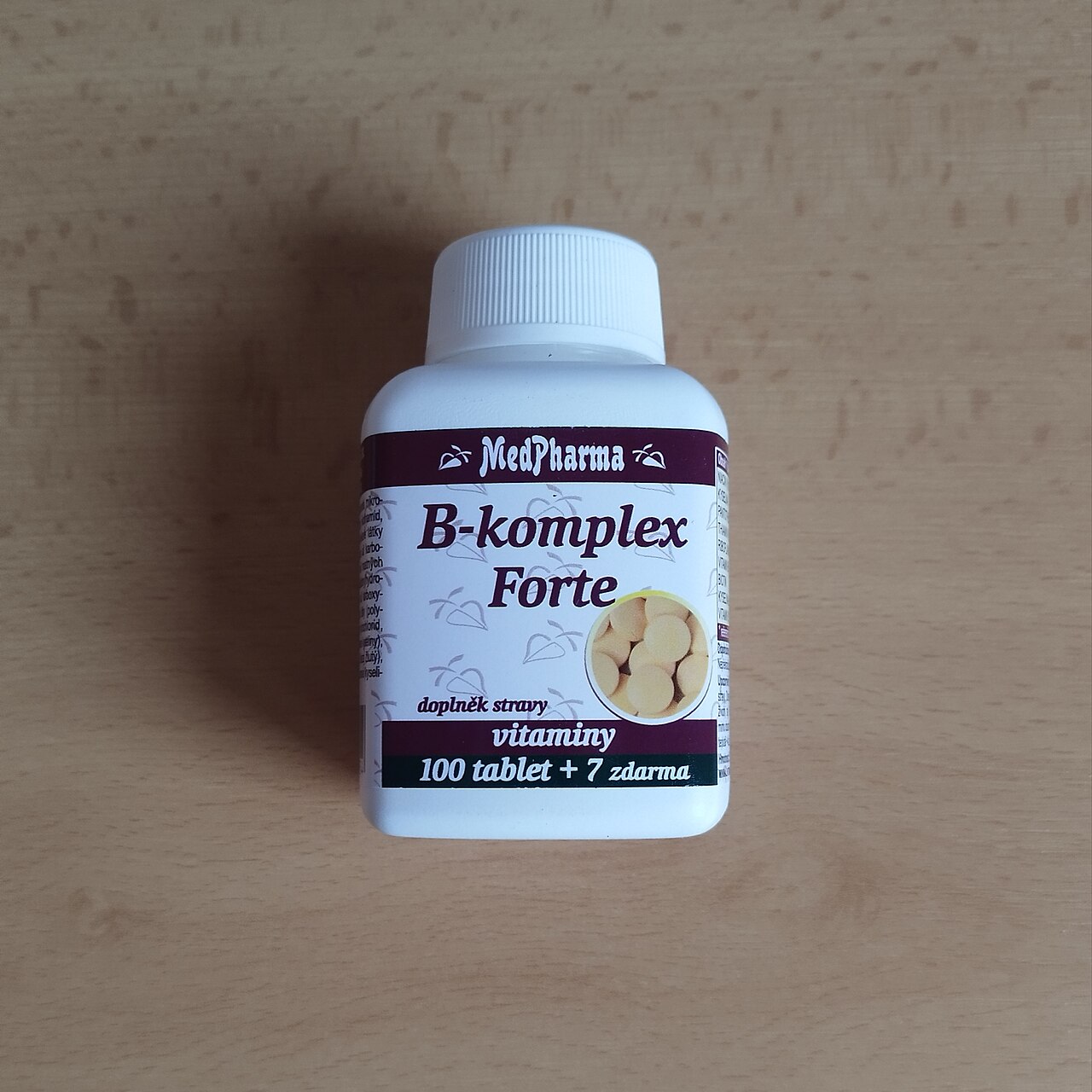
Benefit evidence must still match the purpose
Avoid assuming that a blend is useful simply because its ingredients appear in ordinary multivitamins. A nutrient's established role does not automatically establish a supplement benefit for prostate symptoms or cancer prevention. The SELECT trial is an important example of a plausible nutrient strategy failing to deliver its hoped-for prevention outcome.
Conversely, identifying duplication does not tell a person to change prescribed care or discard a product used for a documented clinical reason. It provides a question for review: what is the purpose of each source, and is the combined exposure appropriate? A professional can assess that question with the medical and dietary context that a label alone cannot provide.
Make the list useful beyond one appointment
A complete supplement list can include product names, serving information, ingredients, and the reason for taking each item. Updating it when products change is more useful than trying to reconstruct the routine from memory. Include products used occasionally as well as those taken every day.
The goal is not to make supplement use more complicated. It is to reveal unnecessary complexity that may already be present. When two products overlap substantially, the question becomes whether both have a clear, supported purpose. Reviewing them together creates a more accurate picture than treating a multivitamin, a prostate blend, and a wellness capsule as three entirely separate decisions.
Sources & further reading
This article provides educational information. Ask a qualified clinician or pharmacist about your symptoms, medical conditions, medicines and supplement interactions.