Saw palmetto for prostate symptoms: what larger studies show
A practical look at saw palmetto research, prostate symptom claims, product differences, and when urinary changes need medical attention.
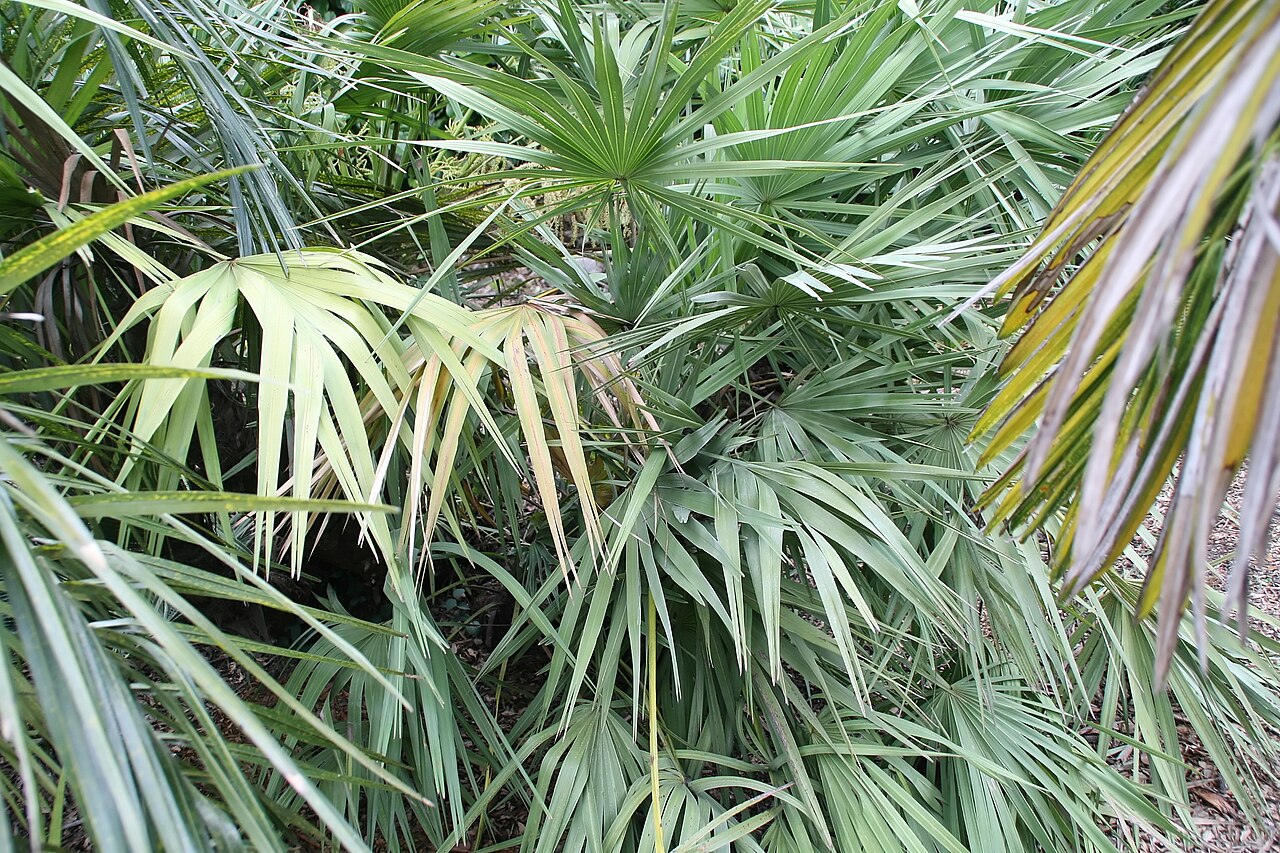
Larger evidence reviews find little or no benefit from saw palmetto alone for BPH symptoms. Urinary changes need an accurate explanation before choosing a supplement.
Why saw palmetto appears in prostate supplements
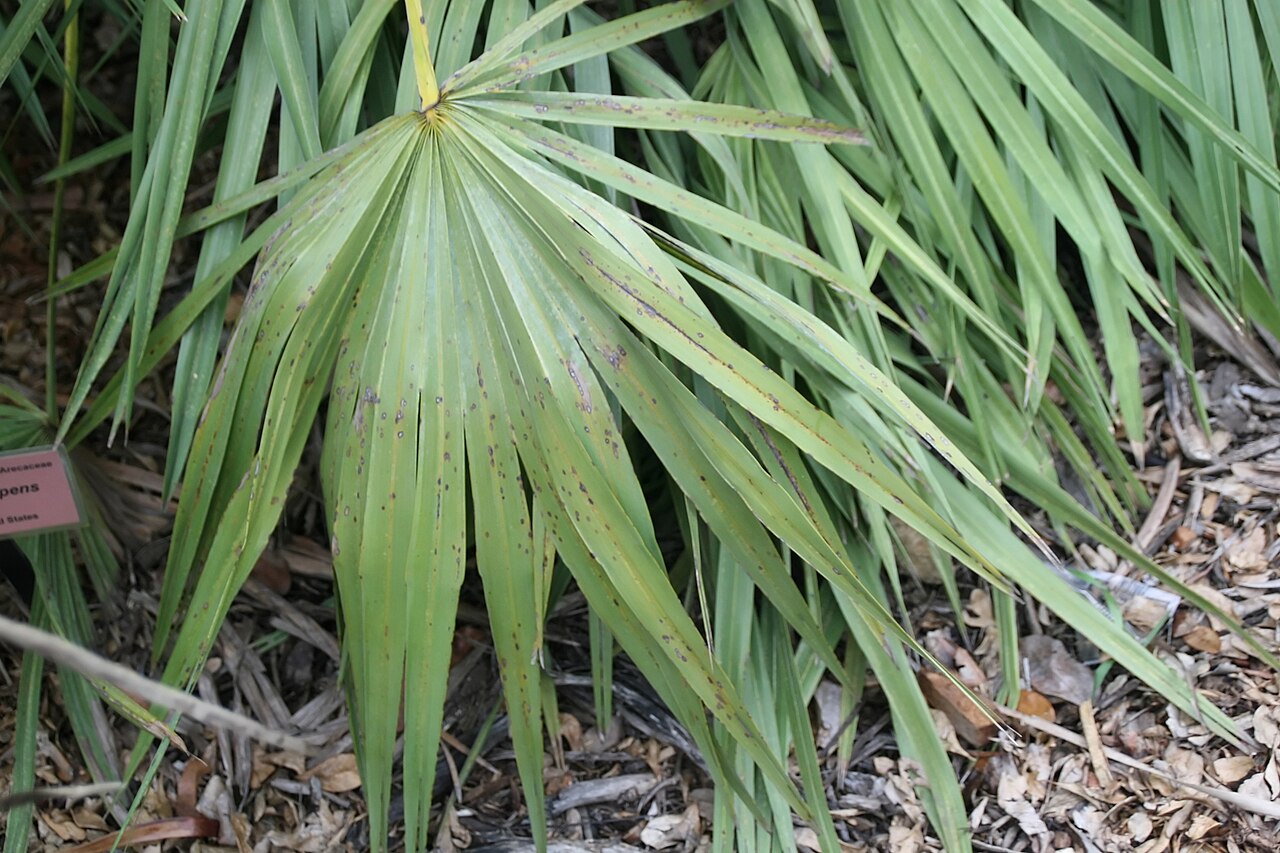
Saw palmetto is a palm whose berries are used in herbal products. It is widely promoted for urinary symptoms associated with benign prostatic hyperplasia, or BPH, an enlarged prostate that is not caused by cancer. That association explains its visibility on prostate-health shelves, but a familiar ingredient is not the same thing as a proven treatment. The important question is whether controlled studies show a benefit that matters to people experiencing symptoms.
Prostate health is also broader than any one supplement claim. A person searching for help with nighttime bathroom trips, a weak stream, or difficulty starting urination may not know the cause. These symptoms deserve an appropriate assessment. A label saying prostate support cannot establish that BPH is responsible or rule out another condition requiring attention.
The larger evidence picture is disappointing
NCCIH's current saw palmetto summary describes a 2023 review of 27 studies. When taken alone, saw palmetto provided little or no benefit for BPH symptoms. The review included two NIH-funded trials, one using a standard dose and another testing increasing doses. Neither showed improvement in BPH symptoms. These findings carry more weight than an isolated testimonial because a controlled comparison can help account for expectations and changes that happen without an active treatment.
Extraction methods are sometimes offered as an explanation for conflicting findings. NCCIH reports that the review separately examined products prepared with hexane extraction and other preparations, without finding a difference in their effects on BPH symptoms. This does not answer every possible future research question. It does mean that a claim about a special extraction process should be supported by convincing evidence rather than used as a shortcut around the overall findings.
Blends introduce additional uncertainty
Many products combine saw palmetto with several other ingredients. The same review could not reach definite conclusions about combinations of herbs containing saw palmetto. A favorable result for a blend would not, by itself, identify which ingredient caused an effect, and a study of saw palmetto alone cannot validate a different multi-ingredient formula. Compare the complete preparation, not simply a shared word on the label.
When a seller cites research, ask whether the trial enrolled people with a confirmed diagnosis and whether it measured urinary symptoms or another outcome. Look for a comparison group, the number of participants, study duration, and reporting of side effects. A small short-term difference may not justify a claim about durable relief. Research summaries should also distinguish an uncertain finding from evidence that a product definitely does nothing.

BPH is not the same as prostate cancer
The National Cancer Institute explains that an enlarged prostate can press on the urethra and bladder and cause urinary symptoms. It also states that having an enlarged prostate does not increase a man's risk of prostate cancer. These are separate concepts, and a supplement discussion should not blur them. Neither reassurance about benign enlargement nor a prostate-support claim replaces evaluation when symptoms are new or changing.
NIDDK describes BPH care as depending on symptom severity, effects on quality of life, and clinical findings. Options can include monitoring, lifestyle changes, medicines, or procedures. The appropriate choice varies. Being able to explain how often symptoms occur, whether sleep is affected, and whether they are getting worse helps a health professional assess the situation more usefully than simply naming the supplement you are considering.
A practical next step
Prepare a short symptom record before an appointment. Note bathroom frequency, nighttime awakenings, urgency, discomfort, and any difficulty emptying the bladder. Include all prescription medicines, nonprescription products, and supplements, with label photographs if possible. Ask what evaluation is needed, what changes should prompt another visit, and what benefits and downsides to expect from available options. This article cannot diagnose urinary symptoms or recommend an individual treatment.
Seek prompt medical attention for concerning symptoms such as blood in the urine or painful urination, and urgent care if you cannot urinate. NIDDK identifies inability to urinate and certain painful or fever-associated urinary symptoms as reasons for immediate help. Buying a supplement should not delay that assessment. For someone weighing saw palmetto, the current evidence supports realistic expectations and a discussion centered on symptoms, diagnosis, and options with demonstrated benefits.
Sources & further reading
This article provides educational information. Ask a qualified clinician or pharmacist about your symptoms, medical conditions, medicines and supplement interactions.