Heart Health
Fish oil supplements and prostate cancer: conflicting observations versus randomized tests
Fish intake, blood fatty acids and concentrated EPA supplements are different exposures; randomized trials have not proved prostate benefit.
Fish intake, blood fatty acids and concentrated EPA supplements are different exposures; randomized trials have not proved prostate benefit.
Presurgery trials found changes in tumor-proliferation markers, but they did not test recurrence, metastasis or survival.
Small trials examine sleep, mood and hot flashes during prostate-cancer treatment; they do not show that melatonin controls the cancer.
A 24-person trial found benefits from one strain after ciprofloxacin, but microbiome research remains preliminary and condition-specific.
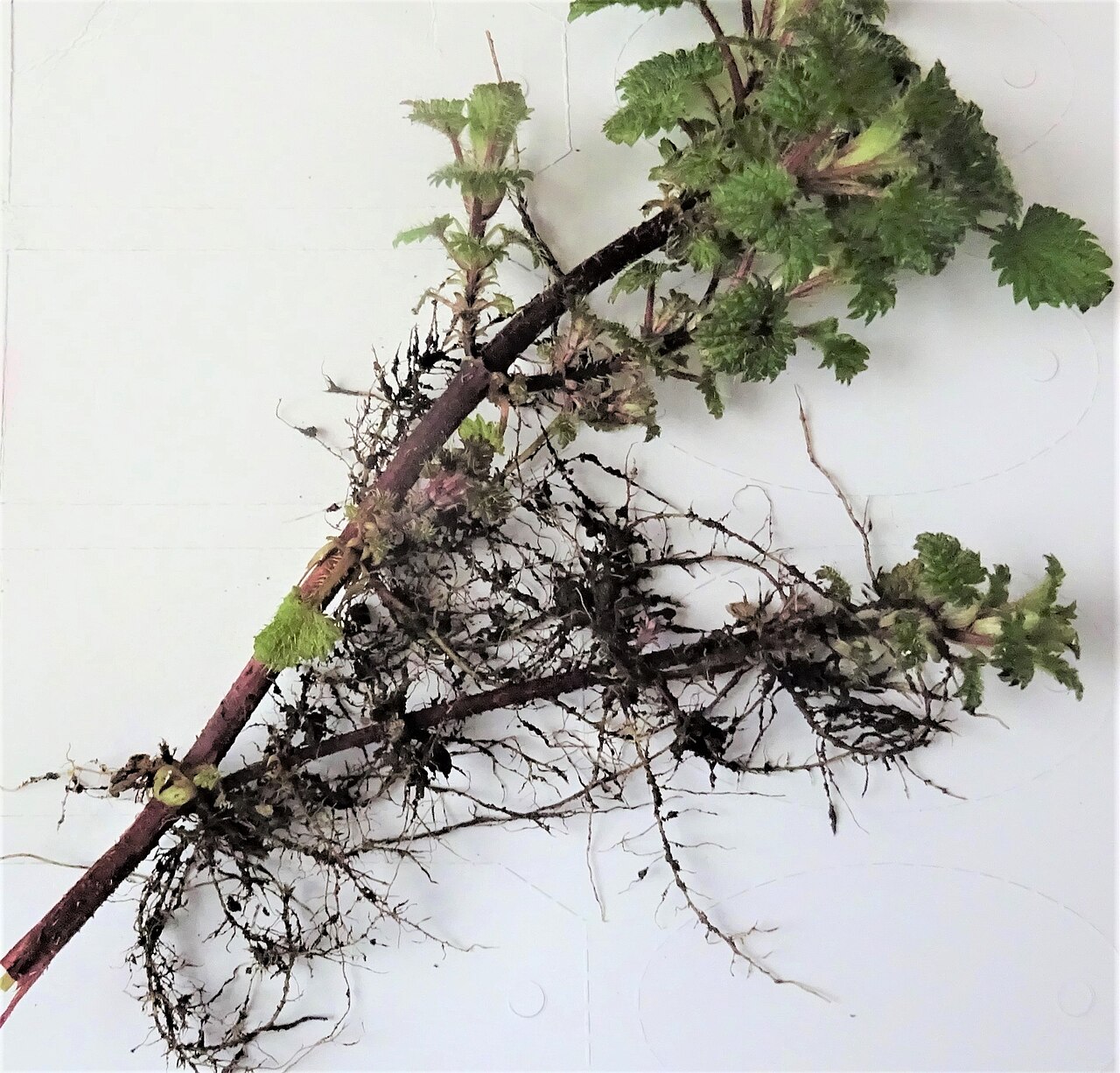
Trials of specific nettle-root extracts report mixed symptom and flow findings; they do not validate every Urtica dioica product.
Older trials suggest short-term symptom improvement, but they do not establish long-term safety or prevention of BPH complications.
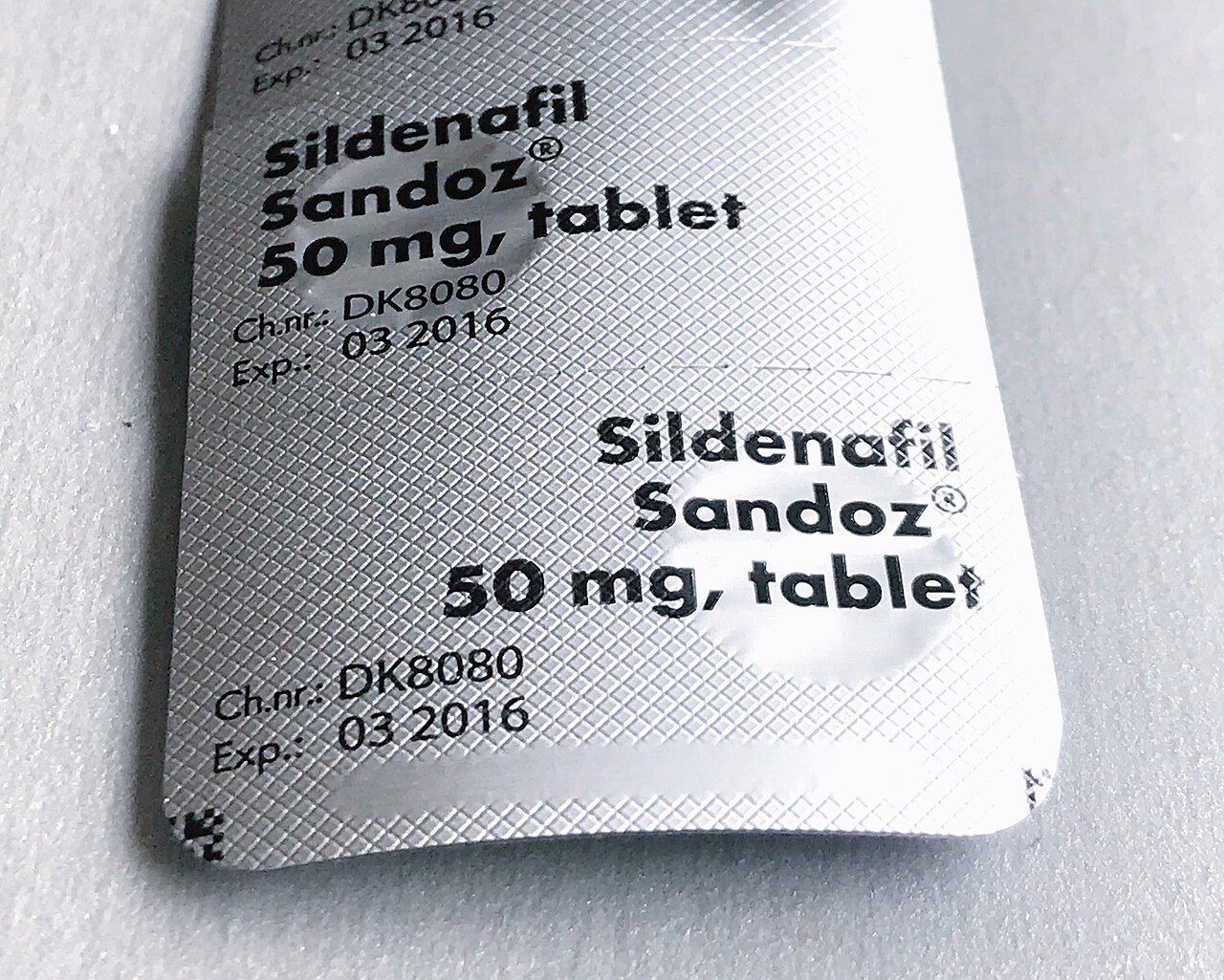
FDA continues to find undeclared sildenafil and tadalafil in products sold as natural, creating potentially dangerous nitrate interactions.
Early pomegranate studies raised interest, but placebo-controlled trials did not establish a reliable cancer-control benefit.
Trials have tested whole seeds, extracts and oils with mixed designs; the form and comparator determine what a result can support.
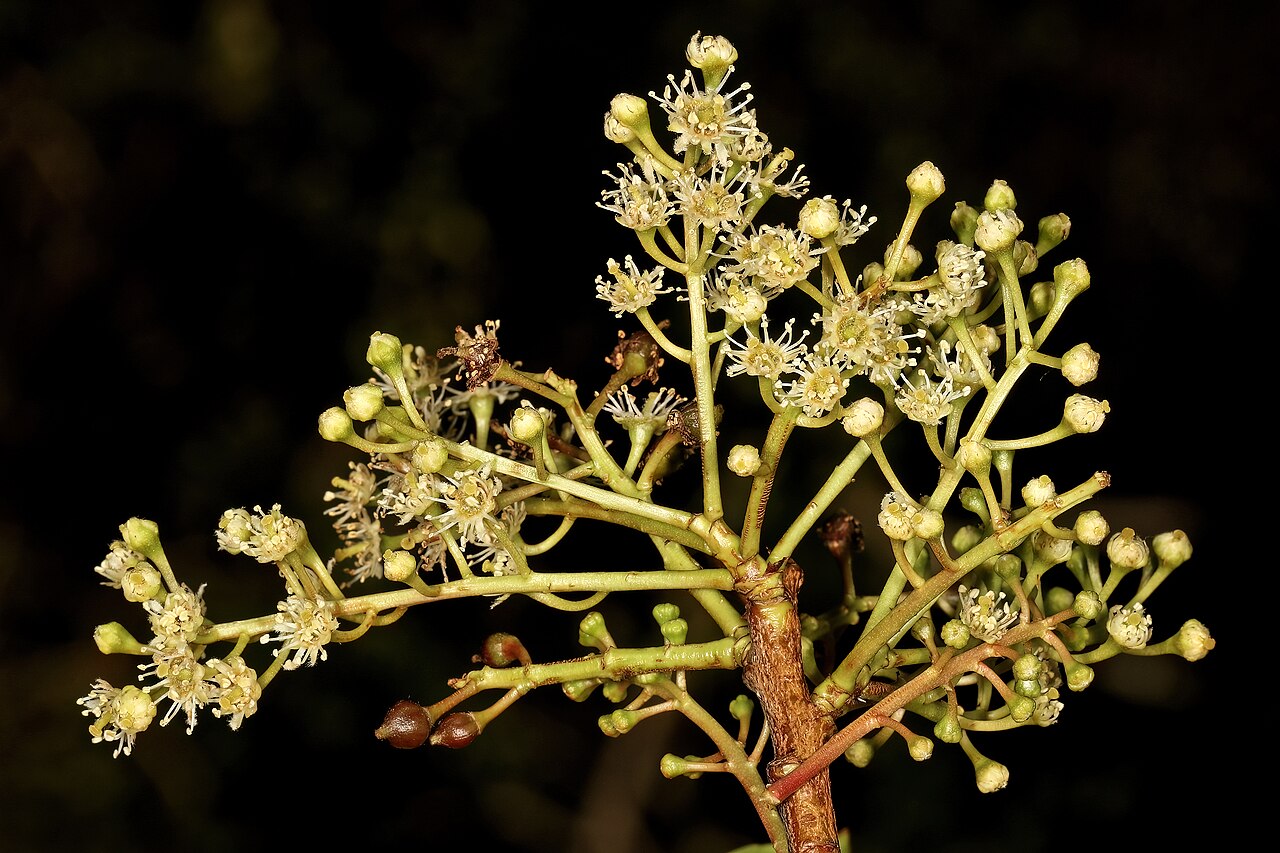
Pygeum trials reported modest short-term changes, but variable extracts, brief follow-up and dated methods limit modern conclusions.
A small placebo-controlled study found symptom improvement, but modern reviews still call the evidence preliminary and condition-specific.
Small, older trials suggest an effect on some symptoms, while flow, prostate size and long-term outcomes remain uncertain.