Prostate
Soy isoflavone supplements and prostate cancer: food patterns are not capsule proof
Observational soy findings and short supplement trials answer different questions and do not establish prostate cancer prevention.
Observational soy findings and short supplement trials answer different questions and do not establish prostate cancer prevention.
A large monitored trial found low, similar prostate-event rates in selected men, but its findings do not validate over-the-counter boosters.
Large randomized trials have not shown that routine vitamin D supplementation prevents prostate cancer, despite biological plausibility.
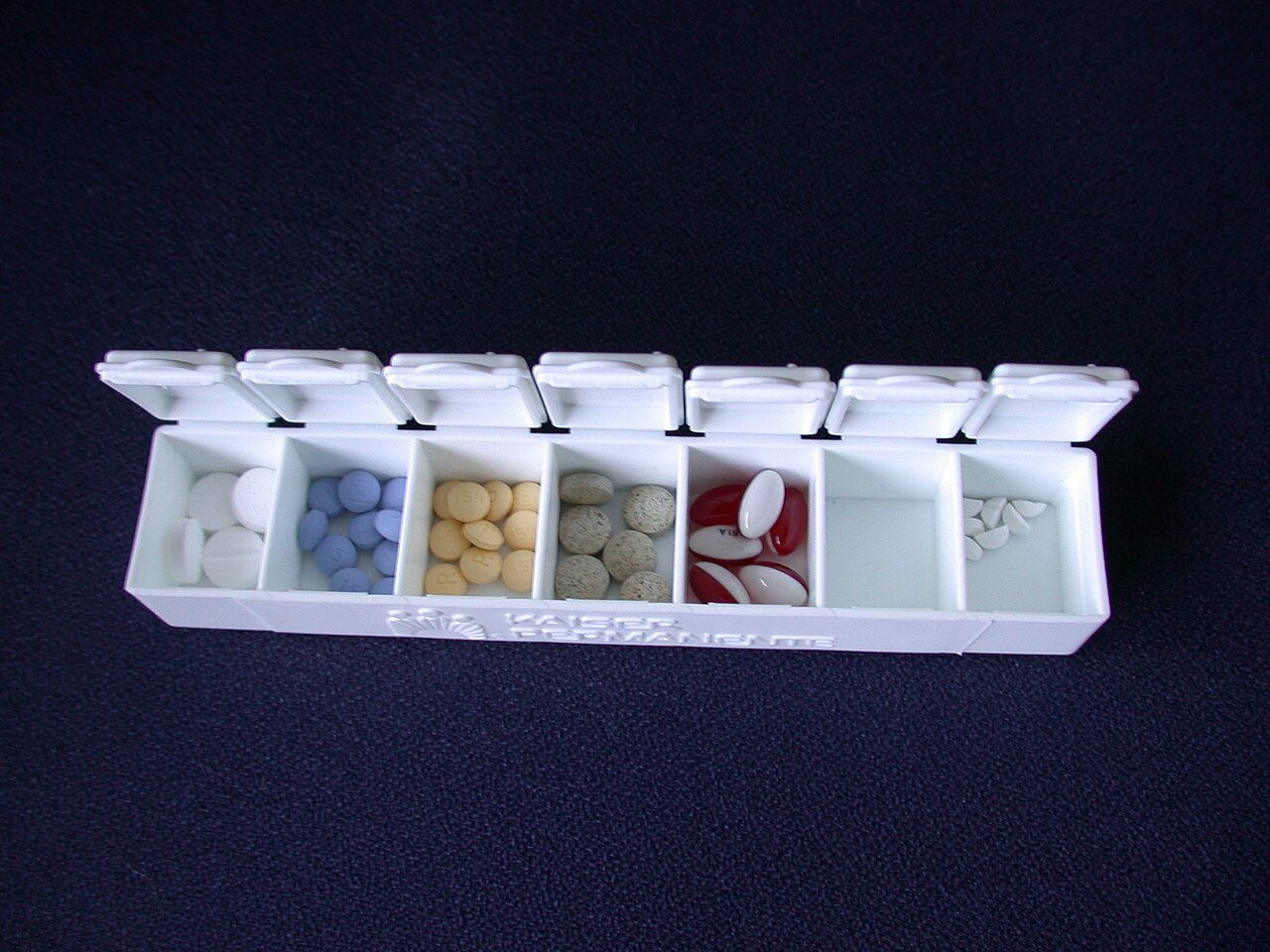
Review the whole supplement list to see when several differently branded products provide the same nutrients.
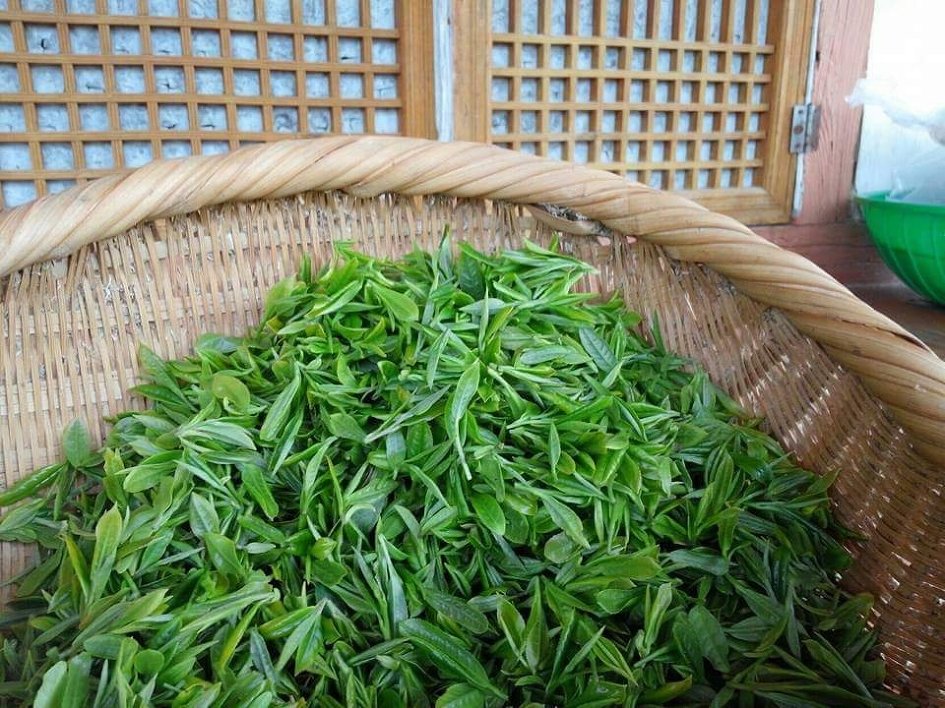
Green tea as a beverage and concentrated extracts should not be treated as identical evidence or safety questions.
How to separate food research, biomarker findings, and unproven cancer prevention claims for lycopene.
Interrupted sleep can lead to a supplement search, but urinary and sleep concerns require appropriate assessment.
Why a study of several ingredients together cannot establish what each ingredient does on its own.
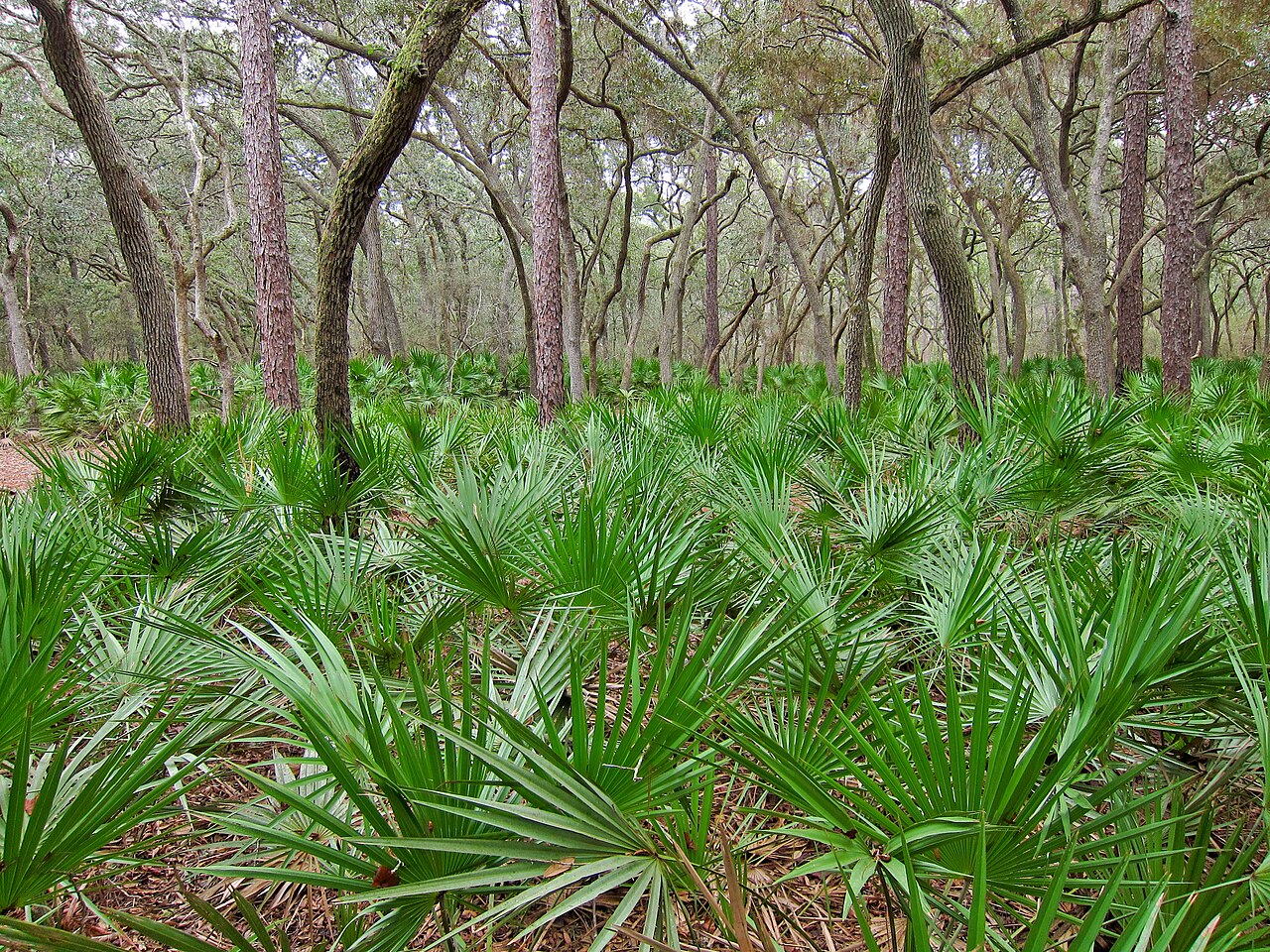
A practical look at saw palmetto research, prostate symptom claims, product differences, and when urinary changes need medical attention.
Why a large prevention trial matters more than an antioxidant theory when evaluating prostate supplements.
Why products marketed for sexual performance do not establish answers to urinary or prostate concerns.
A symptom record can clarify a medical discussion without turning a supplement purchase into a diagnosis.