Sexual wellness products and urinary concerns: keep the two assessments separate
Why products marketed for sexual performance do not establish answers to urinary or prostate concerns.
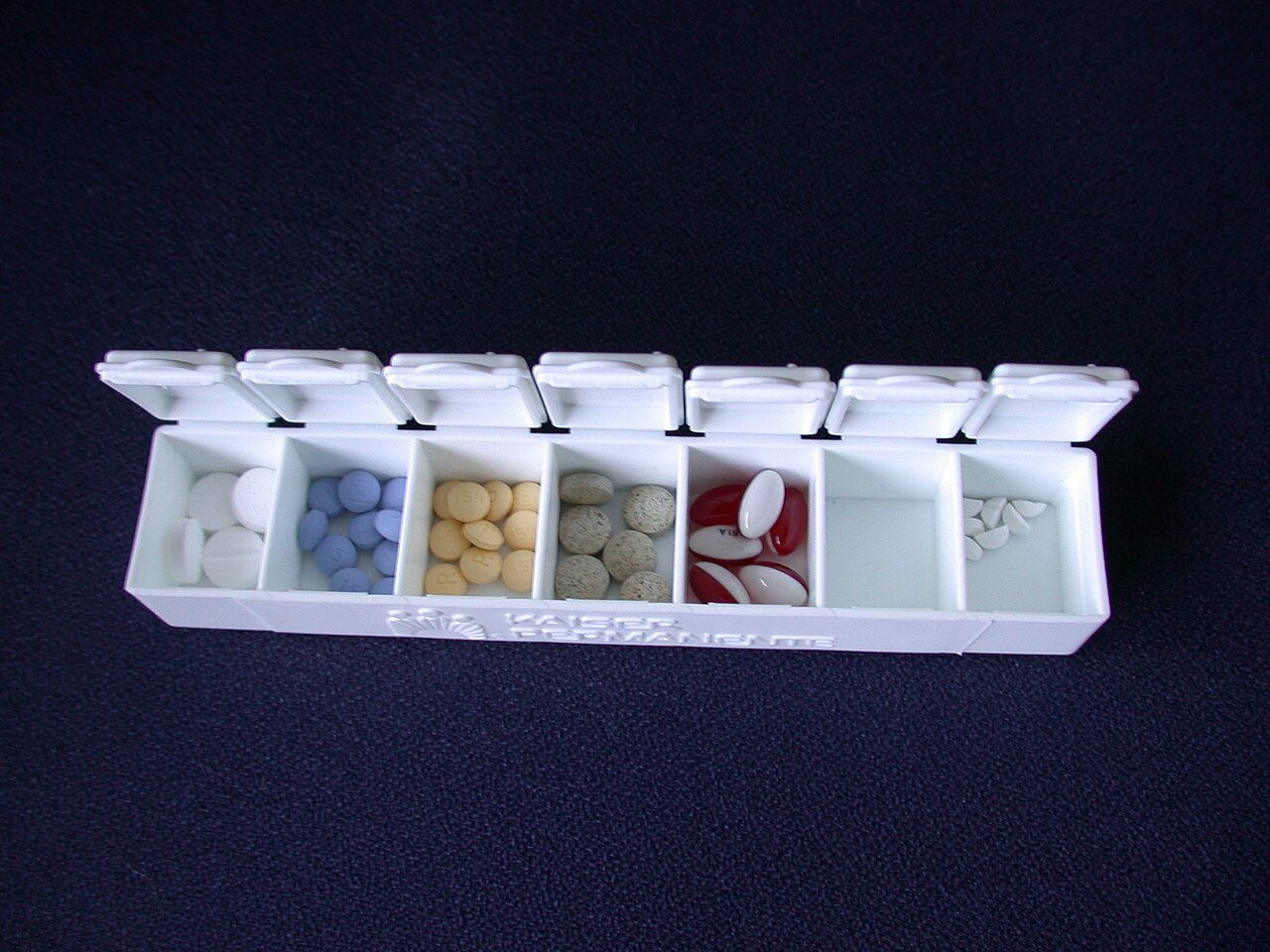
Sexual symptoms and urinary symptoms deserve appropriate assessment; a shared marketing category is not a shared diagnosis.
Men’s wellness is not one medical condition
Supplement shelves often place prostate health, testosterone support, and sexual performance close together. The arrangement can make the products feel like interchangeable answers to a single age-related problem. Yet changes in urination, erections, desire, and energy are not the same symptom, and they do not automatically share one cause.
NIDDK describes evaluation and treatment for erectile dysfunction separately from evaluation of an enlarged prostate. That separation is useful for readers. A product promoted for one concern should not be assumed to explain another simply because both appear under men's wellness. The first task is to describe what has changed.

A broad promise can hide the real question
A phrase such as overall male performance may combine several expectations. Does the reader hope for more sexual desire, a reliable erection, fewer bathroom interruptions, or better sleep? A product can seem successful or disappointing for completely different reasons unless the intended outcome is made explicit.
A clear question also improves assessment of evidence. A trial measuring erection function cannot establish relief of urinary symptoms. A urinary symptom study does not show that a formula improves sexual desire. This is true even when an ingredient appears in both products. Shared ingredients do not make different clinical outcomes equivalent.
Sexual enhancement supplements have particular concerns
NCCIH warns that some products marketed for erectile dysfunction or sexual enhancement have contained undeclared drug ingredients. That creates a risk beyond whether the advertised plants have convincing evidence. A person may unknowingly be exposed to a medicine that has important interactions or other restrictions.
A rapid or unusually strong effect should not be interpreted as proof that a natural formula was scientifically validated. Nor does an attractive label establish that a product is free from hidden ingredients. A clinician or pharmacist should know about any sexual wellness product being used, especially when other medicines are part of the routine.
Professional assessment can address the actual problem
NIDDK explains that health professionals consider underlying causes when treating erectile dysfunction. The purpose is broader than selling a single intervention. Medical history, medicines, psychological factors, and other clinical information can be relevant to understanding the concern.
Likewise, urinary assessment asks its own questions about the pattern and possible causes. It is reasonable to mention sexual and urinary changes in the same visit while still allowing each to be evaluated appropriately. Combining the conversation does not require collapsing the two concerns into one diagnosis. In fact, describing them separately can make their relationship clearer.

Do not use a product response as a diagnostic test
Someone might assume that feeling different after a supplement identifies the cause of a problem. That conclusion is unreliable. Symptoms and expectations can change over time, several ingredients may be present, and the product may not be what its label suggests.
A response also says little about whether another symptom has been adequately evaluated. Improved sexual confidence, for example, cannot establish the cause of a urinary change. Record what happened and disclose the product, but let a qualified professional interpret the clinical significance. Personal experience is relevant information without being a controlled experiment or a complete diagnosis.
Prepare a more precise conversation
A useful appointment description might separate three items: the symptom, its effect on life, and products already tried or being considered. Exact labels help identify exposures; clear descriptions help identify the purpose of seeking help. There is no need to arrive with a self-diagnosis based on an advertisement.
The practical message is to keep the questions distinct enough to answer. Sexual wellness marketing can make several concerns look like one purchasing decision, but care should follow the actual clinical picture. When a supplement promises everything at once, ask which specific outcome was tested, in whom, and with what preparation before treating it as relevant to the concern at hand. The distinction can protect a useful conversation from becoming an imprecise shopping exercise.
Sources & further reading
This article provides educational information. Ask a qualified clinician or pharmacist about your symptoms, medical conditions, medicines and supplement interactions.