Soy isoflavone supplements and prostate cancer: food patterns are not capsule proof
Observational soy findings and short supplement trials answer different questions and do not establish prostate cancer prevention.
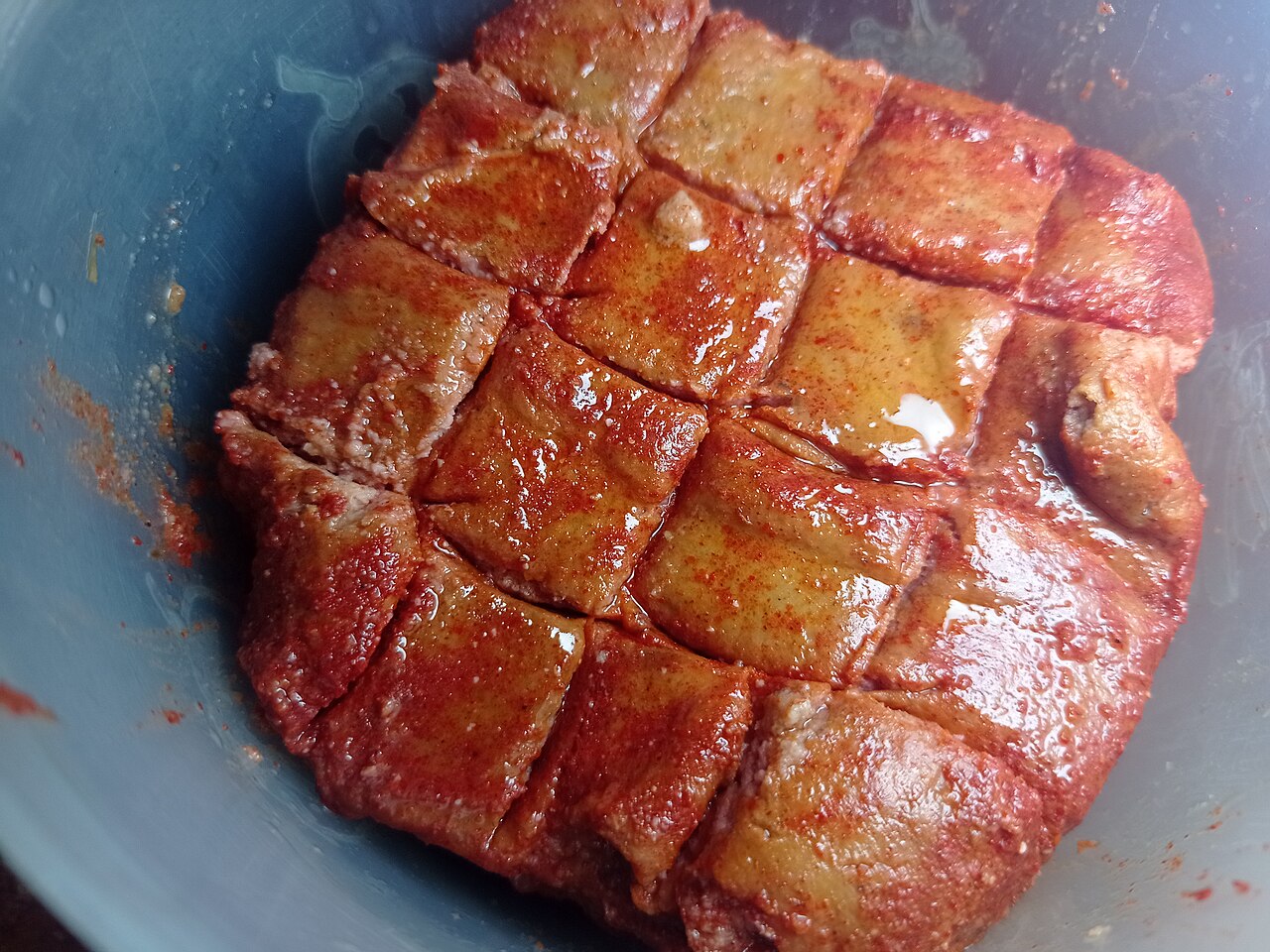
Research on soy foods cannot automatically validate concentrated isoflavone capsules for prevention or treatment of prostate cancer.
Why soy research is easy to overstate
Soy contains isoflavones, compounds that have been studied in laboratory, population and clinical research. Some observational studies report associations between soy intake and prostate cancer risk. Such findings can generate useful hypotheses, but they do not prove that a concentrated capsule prevents cancer. People who eat more soy may differ in many dietary, cultural and health behaviors that are difficult to separate completely.
A 2024 systematic review of observational studies continued to examine those associations. Its existence shows ongoing scientific interest, not a settled prescription. Observational evidence is most informative when described as an association, with attention to the food form, population and potential confounding—not as a dose recommendation for an isolated supplement.
Randomized trials ask a narrower question
A systematic review and meta-analysis of randomized trials evaluated soy or soy isoflavones in men with prostate cancer or an identified risk. These studies varied in formulation, duration and endpoints. The review could assess signals across trials, but heterogeneity and limited clinical outcomes kept it from turning isoflavones into established prevention or treatment.
A randomized, double-blind trial gave men with localized prostate cancer isoflavone capsules or placebo before surgery. Short presurgical studies are useful for examining tissue or blood biomarkers, yet they are not designed to show fewer recurrences or longer survival. A biomarker change is a research step, not a patient-outcome verdict.
Food, protein powder and purified isoflavones differ
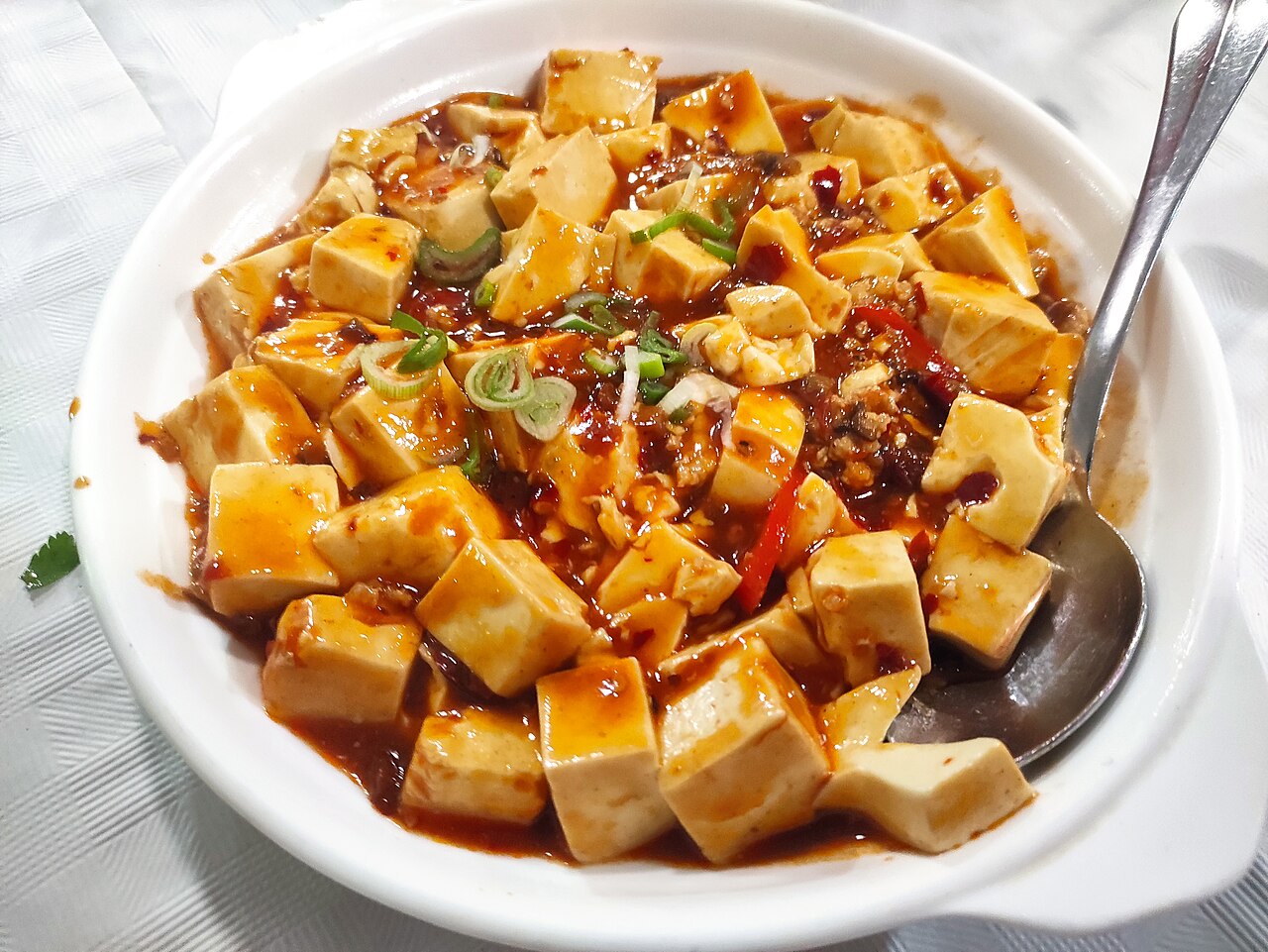
Tofu, soy milk, soy protein and purified isoflavones deliver different mixtures and amounts. Fermentation and processing can further change the product. When a commercial formula cites a soy study, the first comparison should be between the tested form and the bottle being sold. Sharing a plant source is not enough.
A recent randomized study of a fermented soy beverage before prostate surgery evaluated a specific product over a limited period. Another study of fermented soy in men with elevated risk and negative biopsies tested its own formulation and endpoints. Neither can validate unrelated capsules or establish that more isoflavone is better.
Prevention and treatment are separate claims
Preventing a first cancer, slowing a known cancer and changing a laboratory marker are three different goals. Evidence for one cannot be moved to another without a study that actually measures the new outcome. A label that uses the broad phrase prostate health may blur these goals and make the supporting research look more comprehensive than it is.
The same caution applies to PSA. A short-term change does not necessarily predict fewer metastases or deaths. PSA can be clinically useful, but interpreting it depends on the setting. Supplement marketing should not turn a surrogate marker into a guaranteed treatment effect.

Keep soy choices grounded in their real purpose
Eating soy foods can fit within a varied diet without requiring a cancer-prevention promise. Taking a concentrated supplement specifically to influence prostate cancer is a medical-purpose decision and deserves a higher evidentiary standard. Men in treatment or surveillance should tell their oncology or urology team about any supplement rather than using it as a substitute for follow-up.
The evidence supports curiosity, not certainty. Population studies, small randomized trials and biomarker research contribute different pieces, but they do not establish a universal isoflavone regimen for prostate cancer prevention or treatment. Keeping the food question separate from the capsule claim makes the decision both more accurate and easier to discuss.
Look for absolute outcomes, not mechanistic shorthand
Isoflavones are often described through receptor activity, antioxidant effects or changes observed in cells. Mechanistic research can explain why an intervention deserves study, but it cannot tell a patient how many cancers were prevented or how long people lived. For that, readers need human outcomes with an appropriate comparison group. Product pages may also highlight a statistically significant biomarker while omitting that the study was too short to assess recurrence or survival. A careful summary states the participant group, duration and endpoint in plain language. If the only benefit can be expressed as a laboratory pathway rather than an outcome a patient would notice or value, it remains a hypothesis-supporting result rather than proof of clinical benefit.
Sources & further reading
- Soy and soy isoflavones in prostate cancer: a systematic review and meta-analysis of randomized controlled trials ↗
- Short-term soy isoflavone intervention in patients with localized prostate cancer: a randomized, double-blind, placebo-controlled trial ↗
- The effect of a fermented soy beverage among patients with localized prostate cancer prior to radical prostatectomy ↗
- Association between soy products and prostate cancer: a systematic review and meta-analysis of observational studies ↗
This article provides educational information. Ask a qualified clinician or pharmacist about your symptoms, medical conditions, medicines and supplement interactions.