Before a prostate biopsy or surgery: put every supplement on the medication list
Garlic, ginkgo, turmeric, fish oil, and other supplements are not managed by one stop rule. Give the procedure team exact labels early enough for a personal plan.
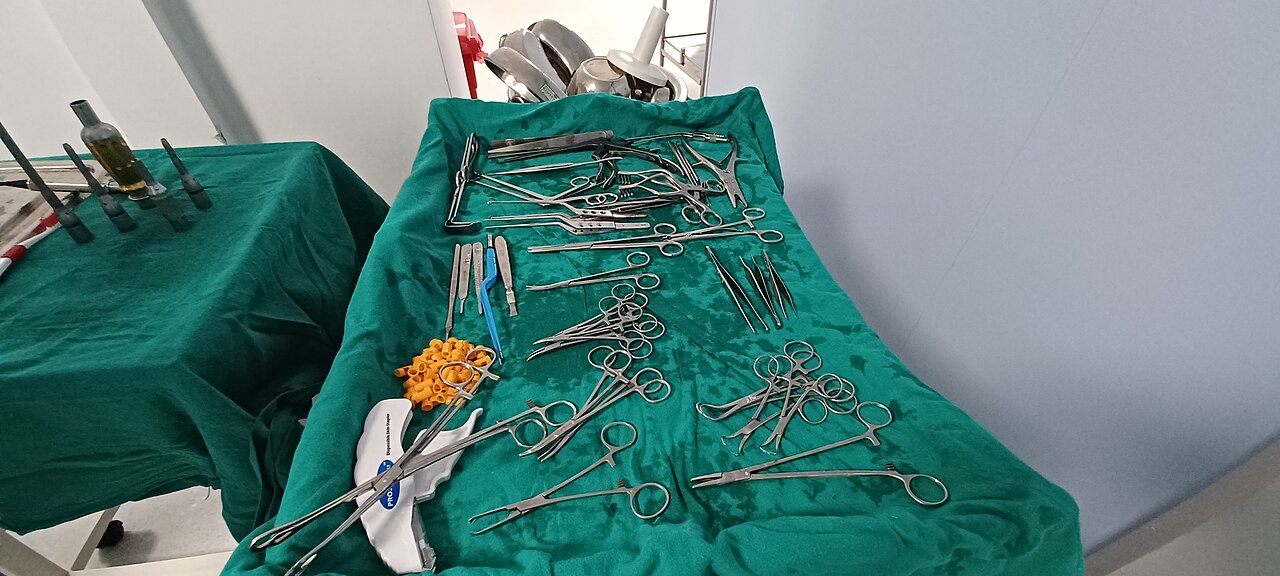
The safest move is disclosure: bring every supplement name, dose, label, and last-use time to the biopsy or surgery team rather than stopping everything on your own.
One complete list can prevent a last-minute surprise
A prostate biopsy or operation involves more than the prostate. The team also manages bleeding, anesthesia, infection prevention, blood pressure, and recovery. Supplements can matter in each area, yet they are often left off medication lists because people do not think of them as drugs.
Bring bottles or clear label photos to the scheduling or preoperative visit. Include powders, gummies, teas, sports products, and products used only occasionally. Exact names matter because “prostate support” or “herbal blend” does not tell the clinician which ingredients or amounts are present.
Underreporting is common in surgical patients
In a prospective cross-sectional study of 526 surgical patients, 44 percent reported using dietary or herbal supplements. Only 11 percent of supplement users had that use documented in their medical files. Researchers identified potential interactions with anesthesia and antithrombotic drugs in portions of the group.
An earlier survey of 2,723 people presenting for anesthesia found herbal use in 4.8 percent, but it was recorded in the notes for only two users. Garlic, ginseng, ginkgo, St. John’s wort, and echinacea were the most commonly reported products. The gap is practical, not theoretical: clinicians cannot plan around a product they do not know about.
Bleeding is important, but it is not the only issue
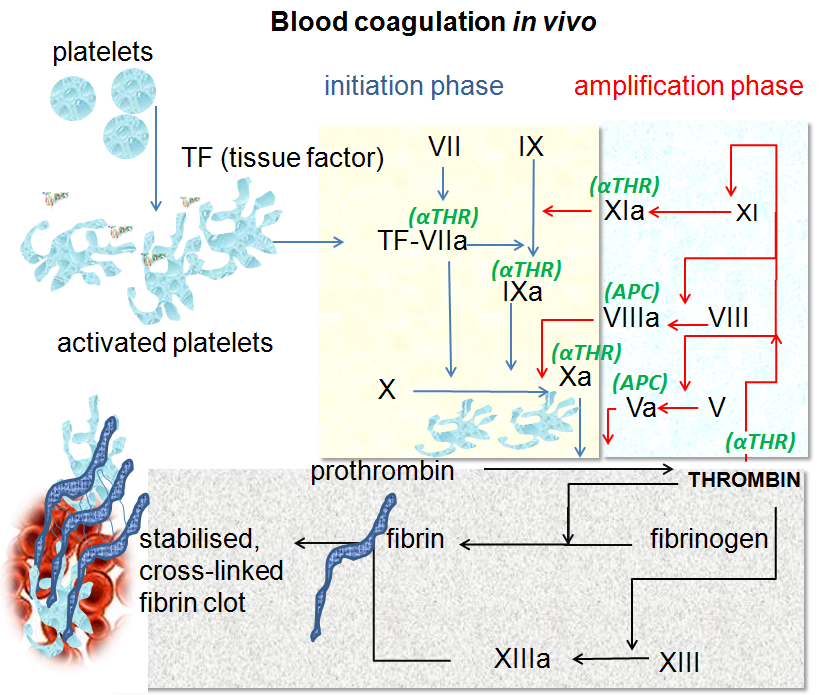
Some supplements may affect platelets or clotting, and the concern can change when aspirin, warfarin, clopidogrel, or another anticoagulant is involved. Other products can influence sedation, blood pressure, blood sugar, or drug metabolism. Evidence quality varies widely, so blanket internet lists are often too simple.
A review of supplement-related bleeding found the strongest surgical bleeding association for garlic and hawthorn, while evidence for several other popular products was conflicting or conditional on anticoagulant use. Fish oil, ginseng, and saw palmetto were not associated with bleeding in that review. Product-specific advice is more accurate than assuming every supplement thins blood.
Do not invent your own stop date
Consensus guidance often discusses the preoperative visit about two weeks before surgery because it leaves time to make decisions. That does not mean every product must be stopped for exactly two weeks, or that a biopsy follows the same plan as major surgery. The procedure, bleeding risk, health history, and medicine list all matter.
Do not stop a prescribed medicine or a supplement being used for a diagnosed deficiency without instructions. If the clinic gives a stop date, write down the product and last dose. Ask when it can be restarted; the answer may depend on bleeding, eating, kidney or liver function, and the final procedure result.
A five-minute preparation checklist
Make one list with brand, product name, serving, actual daily amount, reason for use, and last dose. Add prescription medicines and over-the-counter pain relievers. Note allergies and prior bleeding or anesthesia problems. Send the list through the clinic’s preferred route before the day of the procedure.
Then ask three direct questions: Which items should I continue? Which should I pause, and when? When may I restart them? Clear answers protect the procedure without turning supplements into a source of panic. The goal is not to label every bottle dangerous; it is to give the team enough information to make a precise plan.
Biopsy and surgery are not interchangeable
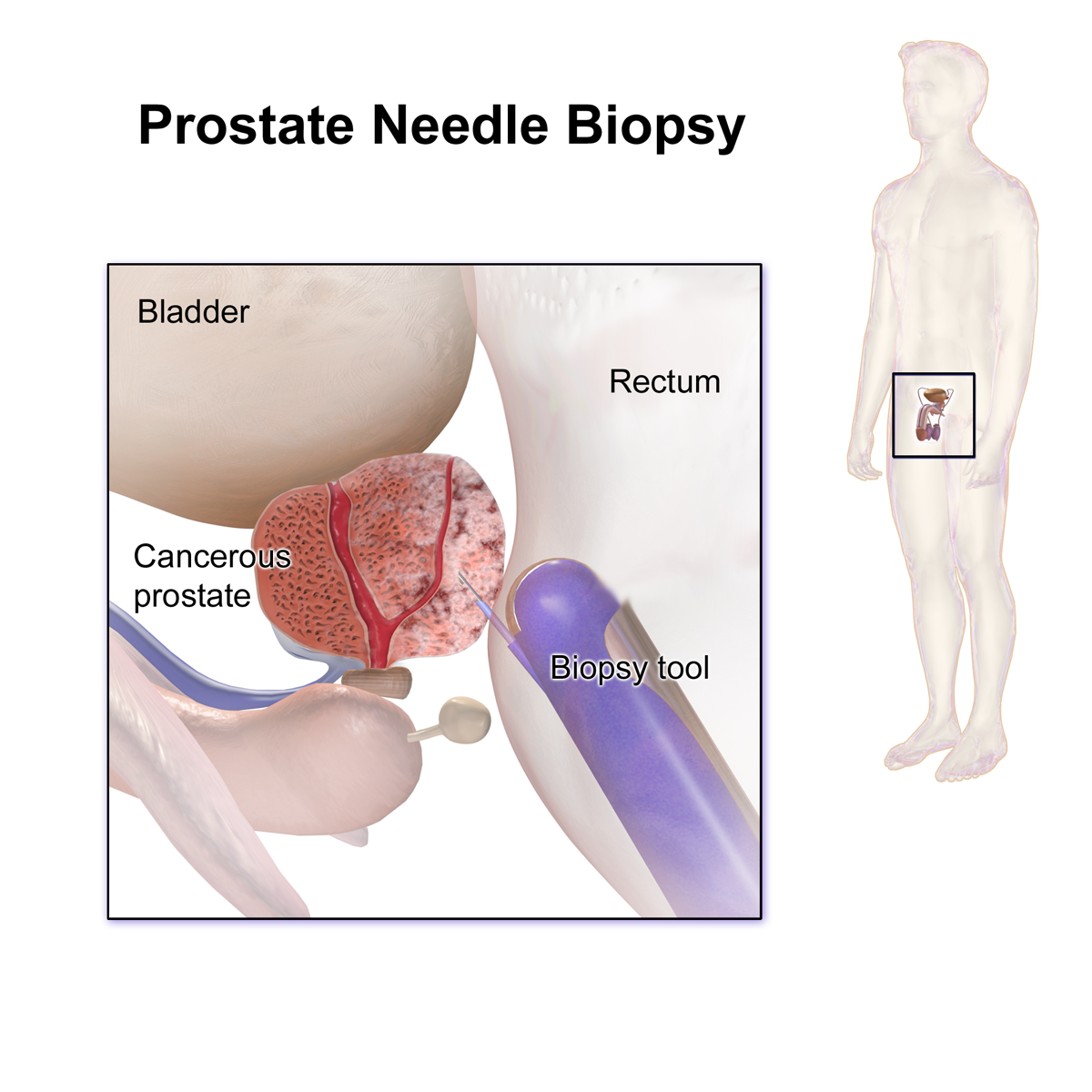
A transperineal biopsy, a transrectal biopsy, robotic prostatectomy, and a minor office procedure have different anesthesia, infection, and bleeding considerations. The clinician’s instructions should therefore name the procedure and the products, not rely on a universal list copied from another patient or another hospital.
Timing also matters after the procedure. Blood in urine or semen can be expected for a period after some biopsies, while heavy bleeding, fever, urinary retention, or worsening pain requires prompt guidance. Restarting a product that affects clotting should follow the team’s advice, not a calendar found on a supplement forum or sales page.
Use the clinic’s urgent-contact instructions if any warning sign appears.