Beta-carotene supplements and prostate cancer: a food pigment is not a prevention pill
Randomized trials do not show that beta-carotene supplements prevent prostate cancer, and high-dose use can harm some smokers.

Beta-carotene from foods and high-dose supplements are different exposures; randomized evidence does not support supplements for prostate prevention.
Why beta-carotene looked promising
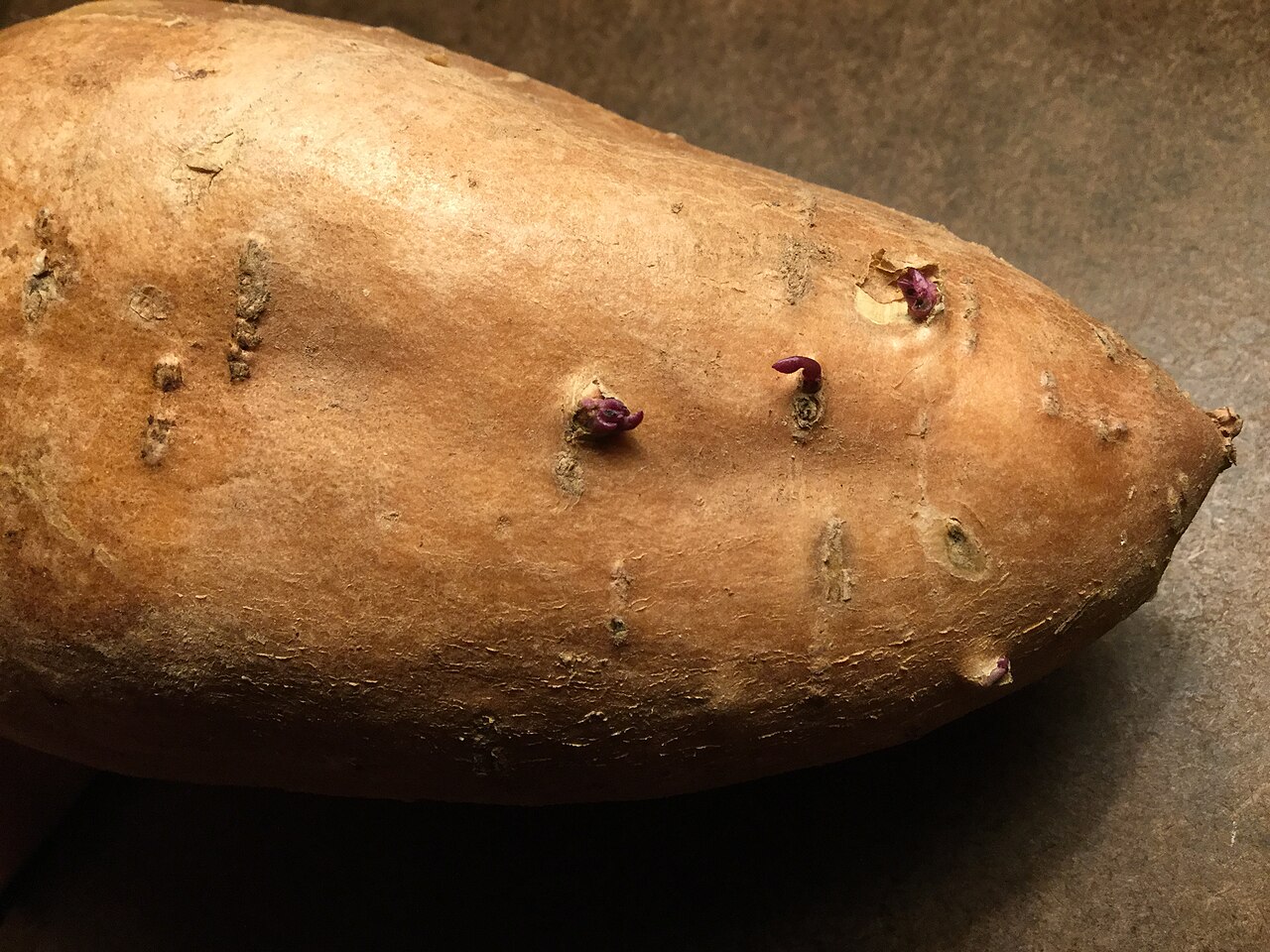
Beta-carotene is a pigment in carrots, sweet potatoes and other foods, and the body can convert some of it to vitamin A. Observational research on diets rich in fruits and vegetables helped generate interest in antioxidant supplements. The leap from a food pattern to an isolated high-dose pill, however, required randomized testing.
A supplement can deliver beta-carotene without the fiber, other carotenoids and overall dietary pattern that accompany food. It can also provide amounts difficult to obtain from ordinary meals. Familiarity with the nutrient does not establish that a concentrated dose prevents cancer.
Large randomized trials did not show prostate protection
The Physicians' Health Study randomized 22,071 male physicians to beta-carotene or placebo and followed cancer outcomes for nearly 13 years. It found no significant difference in prostate cancer incidence. That large result weighs more heavily than a laboratory mechanism or a favorable association from self-reported diet.
A meta-analysis of randomized beta-carotene trials likewise found no reduction in prostate cancer. When multiple controlled trials converge on no benefit, selecting one subgroup or a secondary signal does not justify a general prevention recommendation.
The ATBC result shows why context matters
The Alpha-Tocopherol, Beta-Carotene Cancer Prevention Study enrolled more than 29,000 male smokers. Prostate cancer incidence and mortality were numerically higher among men assigned beta-carotene, although the confidence intervals included no clear difference. The same trial produced separate findings for vitamin E that were not confirmed as a safe prevention strategy by later evidence.
Randomized beta-carotene research also found increased lung-cancer risk in smokers and asbestos-exposed participants. That harm does not mean vegetables are dangerous. It means a high-dose isolated supplement can behave differently from a carotenoid-rich diet.
Antioxidant language is not a clinical endpoint
Oxidation is involved in many biological processes, but labeling a nutrient an antioxidant does not reveal whether supplementation prevents prostate cancer. Human outcomes depend on dose, baseline status, smoking, metabolism and interactions with other pathways.
A product page may cite cell protection or free-radical scavenging while omitting the randomized cancer results. Mechanistic language should explain why a trial was conducted, not replace the result of that trial.
Food and pills deserve separate decisions
Eating colorful vegetables can fit dietary guidance without turning every meal into a cancer treatment. Taking a high-dose beta-carotene capsule specifically for cancer prevention is a different decision, and the controlled evidence does not support it.
Check multivitamins and eye-health products for beta-carotene, because the ingredient may be present even when the bottle is not marketed for the prostate. Smokers and former smokers have particular reasons to discuss carotenoid supplements with a clinician.
Read prevention claims against absolute evidence
Ask whether the cited study randomized people to the supplement, how many prostate cancers occurred and whether mortality changed. A relative percentage from a subgroup is not enough when the overall trial was neutral. The responsible conclusion is straightforward: beta-carotene remains a nutrient, but supplementation has not been shown to prevent prostate cancer and can carry population-specific risks.
Why dose and smoking history change the safety discussion
The doses used in prevention trials were pharmacological compared with normal food intake. In the Physicians' Health Study, participants received 50 milligrams every other day; the ATBC trial used 20 milligrams daily. A multivitamin may provide less, while a stand-alone antioxidant formula may approach trial levels. Reading the actual amount is essential because the name of the ingredient does not reveal the exposure. Smokers, former smokers and people with occupational asbestos exposure should be especially cautious because lung-cancer harms appeared in high-risk randomized populations.
Beta-carotene can also appear beside vitamin A, lutein or other carotenoids, making a formula look like nutritional insurance. More antioxidants are not necessarily additive protection. If a deficiency or eye-health indication is being considered, that reason should be evaluated separately from prostate cancer. The prevention evidence does not support adding beta-carotene merely because prostate cancer becomes more common with age. A complete supplement list helps a clinician identify duplication that a prostate-focused shopping decision may miss.
Sources & further reading
- Effects of beta-carotene supplementation on cancer incidence in the Physicians' Health Study ↗
- Prostate cancer and supplementation with alpha-tocopherol and beta-carotene: incidence and mortality in a controlled trial ↗
- Beta-carotene supplementation and cancer risk: a systematic review and meta-analysis of randomized trials ↗
This article provides educational information. Ask a qualified clinician or pharmacist about your symptoms, medical conditions, medicines and supplement interactions.