Vitamin K2 and prostate cancer: an observational signal is not supplement proof
A German cohort linked higher dietary vitamin K2 with less advanced prostate cancer, but no trial shows that K2 capsules prevent the disease. Warfarin adds a major caution.
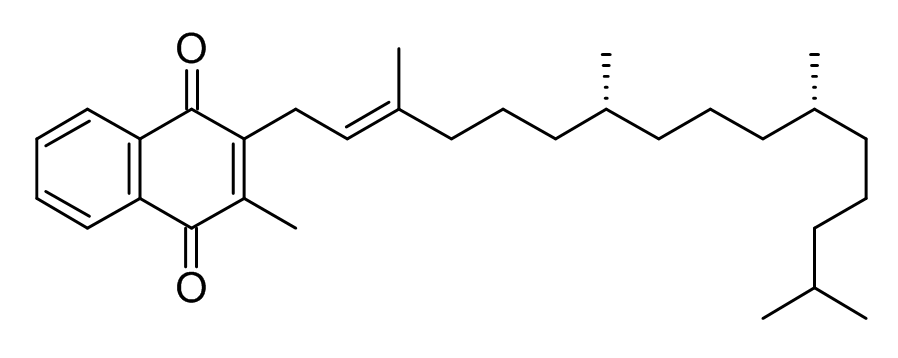
Dietary vitamin K2 associations deserve research, but they do not establish a preventive dose or benefit from a K2 supplement.
K2 interest began with a food pattern, not a pill trial
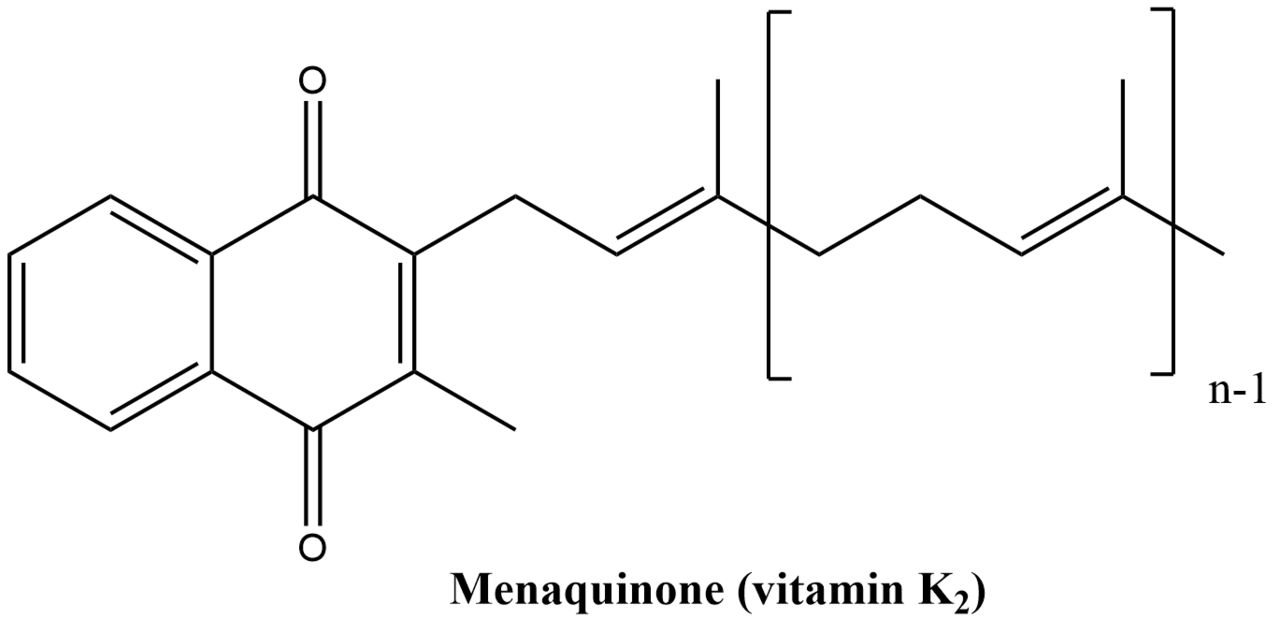
Vitamin K supports normal blood clotting and bone-related proteins. Several forms exist: phylloquinone is called vitamin K1, while menaquinones are grouped as vitamin K2. Prostate interest comes largely from observational research that estimated dietary intake, not from randomized prevention trials of capsules.
That difference matters. A nutrient can have an essential function, and one food-derived form can correlate with an outcome, without proving that extra supplemental intake changes cancer risk. The right question is not simply “Is K2 good?” but “What preparation, dose, population, and clinical endpoint were actually tested?”
EPIC-Heidelberg found a form-specific association
The EPIC-Heidelberg cohort followed 11,319 men for an average of 8.6 years and identified 268 prostate cancers, including 113 advanced cases. Higher estimated menaquinone intake was associated with lower risk of advanced prostate cancer. The association with total prostate cancer did not reach statistical significance.
Vitamin K1 intake was not associated with prostate-cancer incidence. The form-specific result is intriguing, but dietary menaquinones came largely from foods and traveled with other nutrients and eating habits. A food-frequency questionnaire cannot isolate K2 as cleanly as random assignment can.
A biomarker study supported the hypothesis, with limits
Researchers then used stored blood from the same cohort in a nested case-control study of 250 cases and 494 controls. A higher ratio of undercarboxylated to total osteocalcin—a marker related to poorer vitamin K status—was associated with advanced-stage and high-grade disease, but not total prostate cancer.
The biomarker adds a second line of evidence, yet it remains observational and does not specify a preventive supplement dose. It also comes from the same underlying cohort, so it is not a fully independent replication across a different population. A randomized trial with clinical outcomes is still missing.
Clotting safety comes before cancer speculation
Vitamin K can counter the effect of warfarin and related vitamin K antagonist therapy. People using warfarin are usually advised to keep vitamin K intake consistent and make changes with the anticoagulation team. Starting a K2 bottle without that conversation can destabilize treatment.
The caution is not that vitamin K foods must always be avoided. Consistency and monitoring are the practical priorities. Other anticoagulants work differently, but a pharmacist or prescriber should still review the full list. A hypothetical prostate benefit does not outweigh a known medication-management issue.
How to read a K2 claim
Check whether a product names the menaquinone form, such as MK-4 or MK-7, and the amount. Then ask whether the cited research used that form, that dose, and a prostate outcome. A cohort based on food intake cannot validate an unrelated capsule merely because both use the phrase vitamin K2.
For now, treat “K2 prevents prostate cancer” as an unsupported claim. Meet nutrient needs through an appropriate diet or clinician-guided supplement plan, and keep screening and treatment decisions separate. The cohort signal is a reason for better research, not a reason to self-prescribe a cancer-prevention dose.
Food-source signals can hide complicated tradeoffs
In the Heidelberg analysis, menaquinones from dairy foods appeared more strongly associated with advanced disease risk than menaquinones from meat. That does not prove dairy was protective or identify which K2 form mattered. Food sources bring saturated fat, calcium, protein, fermentation, and lifestyle patterns that statistical models may not fully separate.
A supplement removes some of that complexity but introduces another: a concentrated isolated dose used outside the observed dietary range. Moving from food estimation to a capsule is not simply a cleaner version of the same exposure. It is a new intervention that needs randomized safety and efficacy data, especially when the hoped-for outcome is cancer prevention. A stronger label cannot supply the missing trial, and a higher dose may add interaction risk without adding benefit.
The practical decision today is to avoid treating an observational association as a personal prescription. Review the real nutrition or bone-health reason for use separately.