Garlic supplements and prostate cancer: diet studies are not capsule trials
Some food studies link greater garlic intake with lower prostate-cancer risk, but they do not prove that garlic pills prevent cancer—and preparations differ sharply.
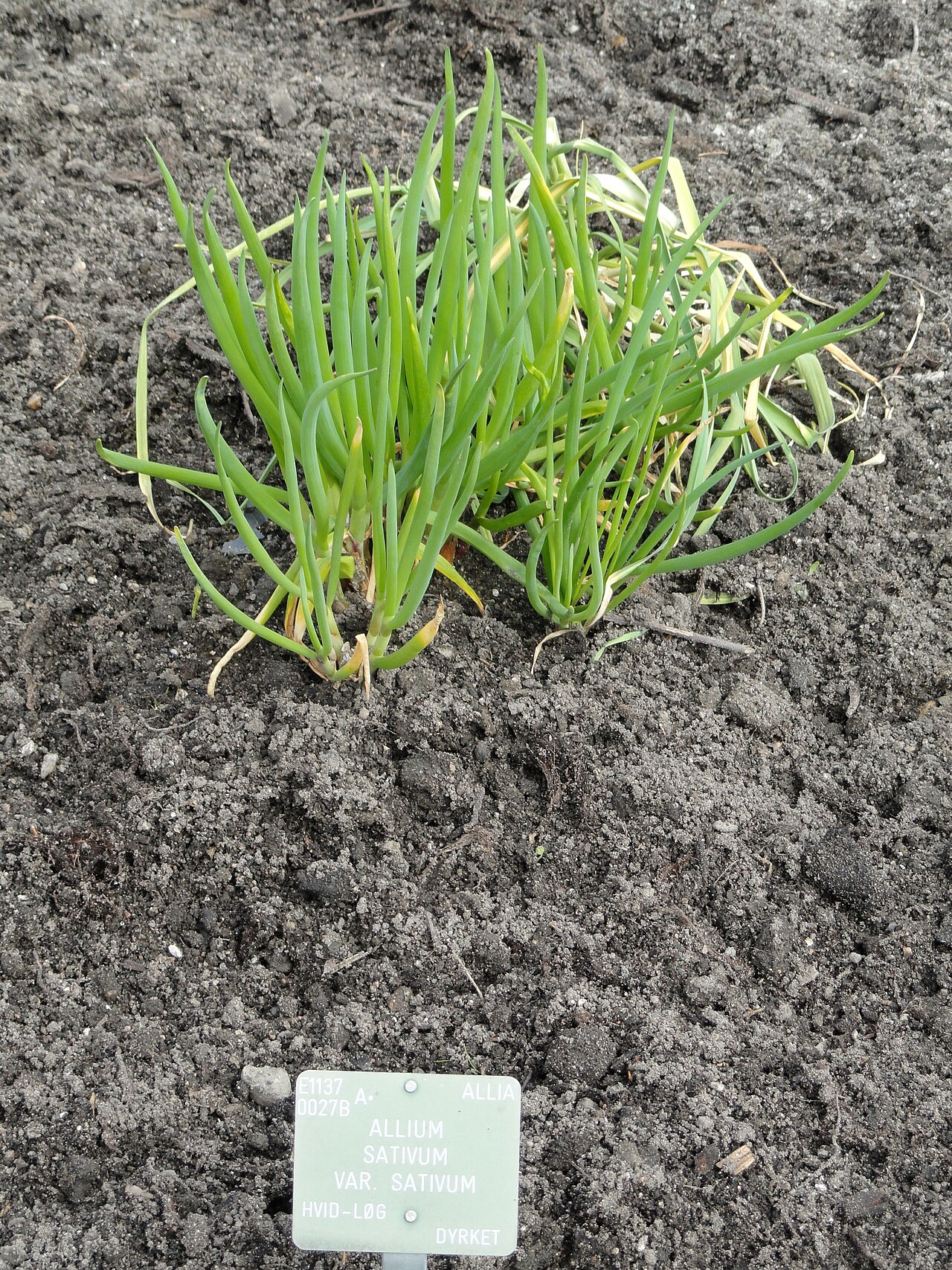
Garlic-food associations are interesting, but no randomized prostate-prevention trial shows that a garlic supplement provides the same effect.
The appealing headline leaves out the product question
Garlic is easy to like: it flavors food, contains sulfur compounds, and appears in population studies of cancer risk. The leap happens when a food association becomes a bottle claim. A garlic clove, aged extract, oil, powder, and allicin-labeled tablet are not one intervention.
For prostate prevention, the current human evidence is mostly observational. It can generate a useful hypothesis, but it cannot prove that garlic caused the difference in cancer rates. People who eat more allium vegetables may differ in many other ways that questionnaires and statistical adjustments never fully capture.
The Shanghai study found an association
A population-based case-control study in Shanghai compared 238 men with prostate cancer and 471 controls. Men reporting more than 10 grams daily of allium vegetables had lower odds of prostate cancer than men reporting less than 2.2 grams. Garlic and scallions showed similar inverse associations.
Those numbers describe reported food intake, not supplement use. Case-control studies also ask people to remember past eating, and disease status can influence recall. The result is worth studying, but it does not establish a dose for prevention or show that a concentrated extract would reproduce the same pattern.
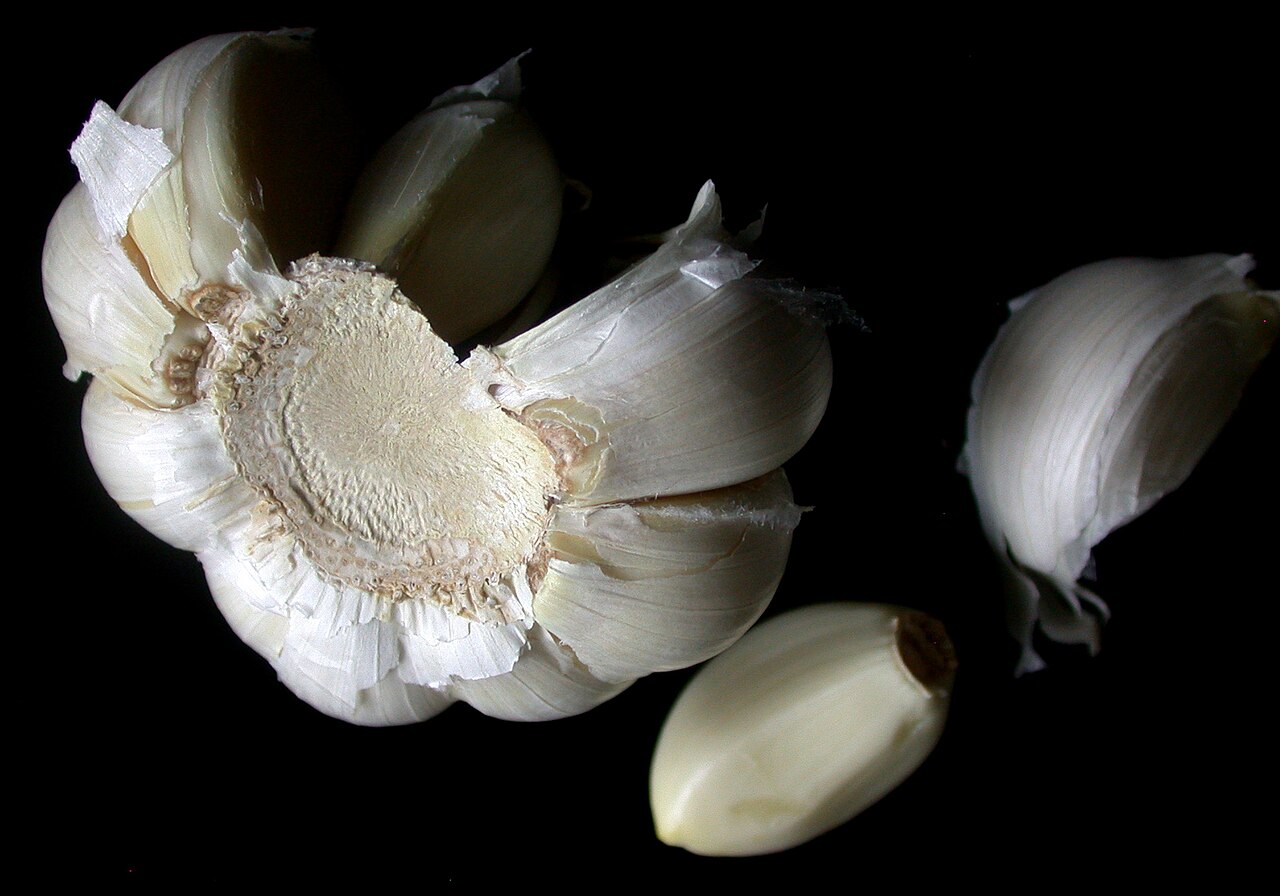
A second study was suggestive, not decisive
An Iranian multicenter case-control study included 194 newly diagnosed cases and 317 hospital controls. Higher garlic intake was associated with a borderline lower risk after adjustment, with an odds ratio of 0.58 and a confidence interval reaching 1.01. That statistical uncertainty is important.
The study again concerned dietary intake. It did not randomize participants, verify a garlic preparation, or follow supplement users over time. Two observational signals from different populations make the question interesting, yet they still cannot answer whether an American retail supplement prevents prostate cancer.
Processing changes garlic chemistry
Cutting fresh garlic activates enzymes that help form allicin. Heat, aging, extraction, storage, and coating can change which compounds remain and when they are released. A front label that says “garlic” therefore tells less than it seems. Standardization details matter, and even a standardized constituent is not proof of a prostate outcome.
Garlic supplements can cause breath or digestive effects and may increase bleeding risk, especially around surgery or with anticoagulant or antiplatelet medicines. That makes the exact product relevant before a prostate biopsy or operation. “Natural” does not mean clinically invisible.
Keep the food, question the prevention promise
Use garlic because it makes vegetables, beans, fish, and other foods enjoyable. That can support a sustainable eating pattern without treating dinner as a prescription. If you prefer a supplement, define the goal and ask whether any trial tested that exact preparation for that outcome.
Do not delay PSA follow-up or cancer care while waiting for a capsule to work. The more defensible conclusion is that garlic-food research offers a hypothesis, not a prevention regimen. A familiar ingredient can remain part of a healthy kitchen while a prostate-cancer claim still requires randomized evidence.
Why a randomized prevention trial would be different
A convincing supplement trial would define one garlic preparation, verify its active constituents, randomly assign enough participants, and follow confirmed prostate-cancer outcomes for years. Randomization helps balance smoking, screening, diet, exercise, health-care access, and other factors that can distort a food association. It also creates a clear comparison dose rather than relying on memory.
No such evidence currently turns garlic supplements into established prostate prevention. That does not erase traditional use or laboratory findings. It ranks them appropriately. When the desired claim is fewer cancers, evidence based on fewer cancers should carry more weight than enzyme experiments, marketing surveys, or a capsule’s pungent smell. Until that evidence exists, compare supplements on transparent composition and safety, not on borrowed food associations or vague references to immune support.
Ask whether the seller can identify the preparation, active-constituent testing, and a human prostate trial. If not, the prevention claim is running ahead of the evidence.