Red Clover Before Prostate Surgery: What Studies Can Tell Us
Short presurgery studies measured red-clover isoflavones in prostate tissue and biomarkers. They did not establish better recovery or cancer control.
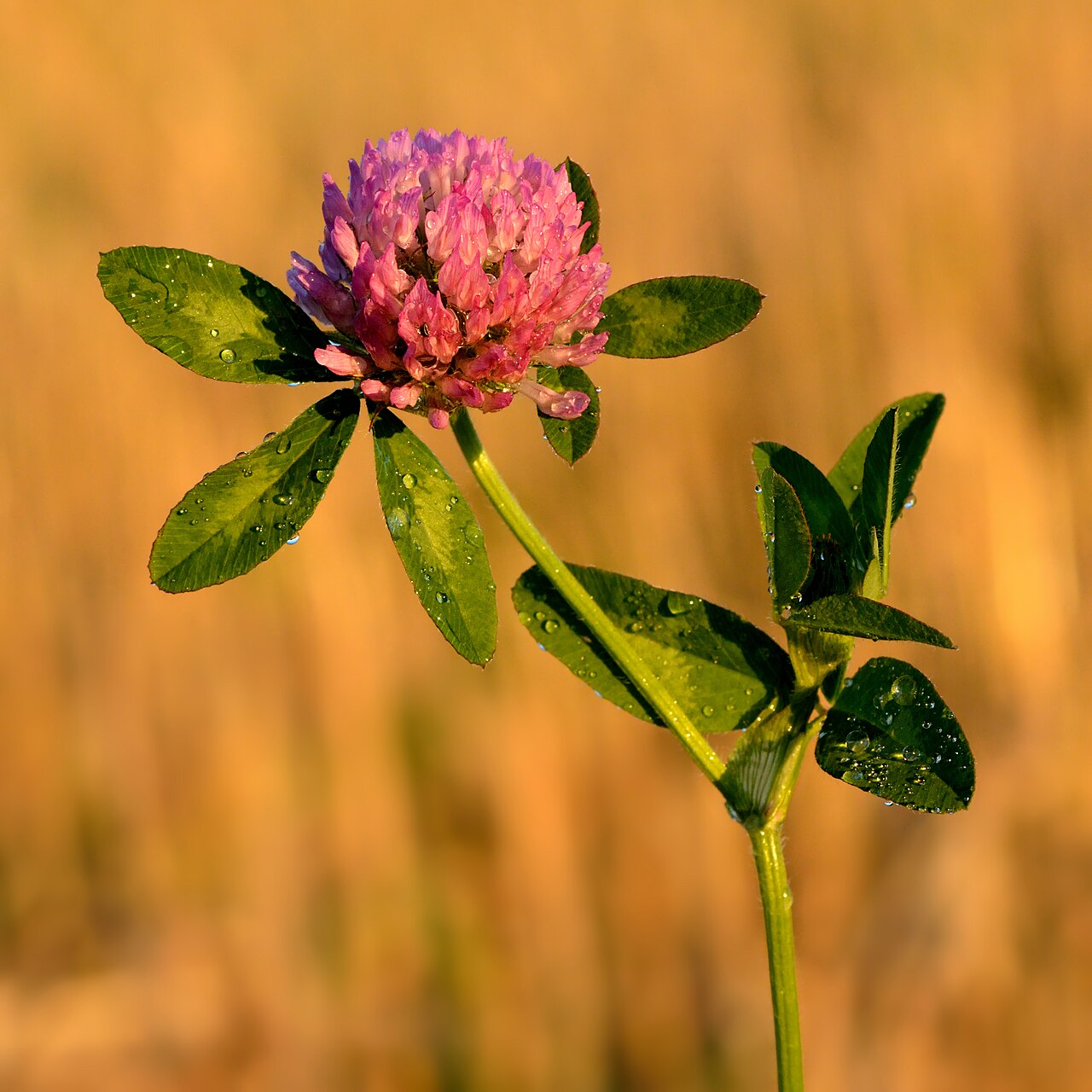
Red-clover isoflavones reach prostate tissue in small presurgery studies, but tissue exposure and biomarker changes are not proof of clinical benefit.
A short window can answer only short questions
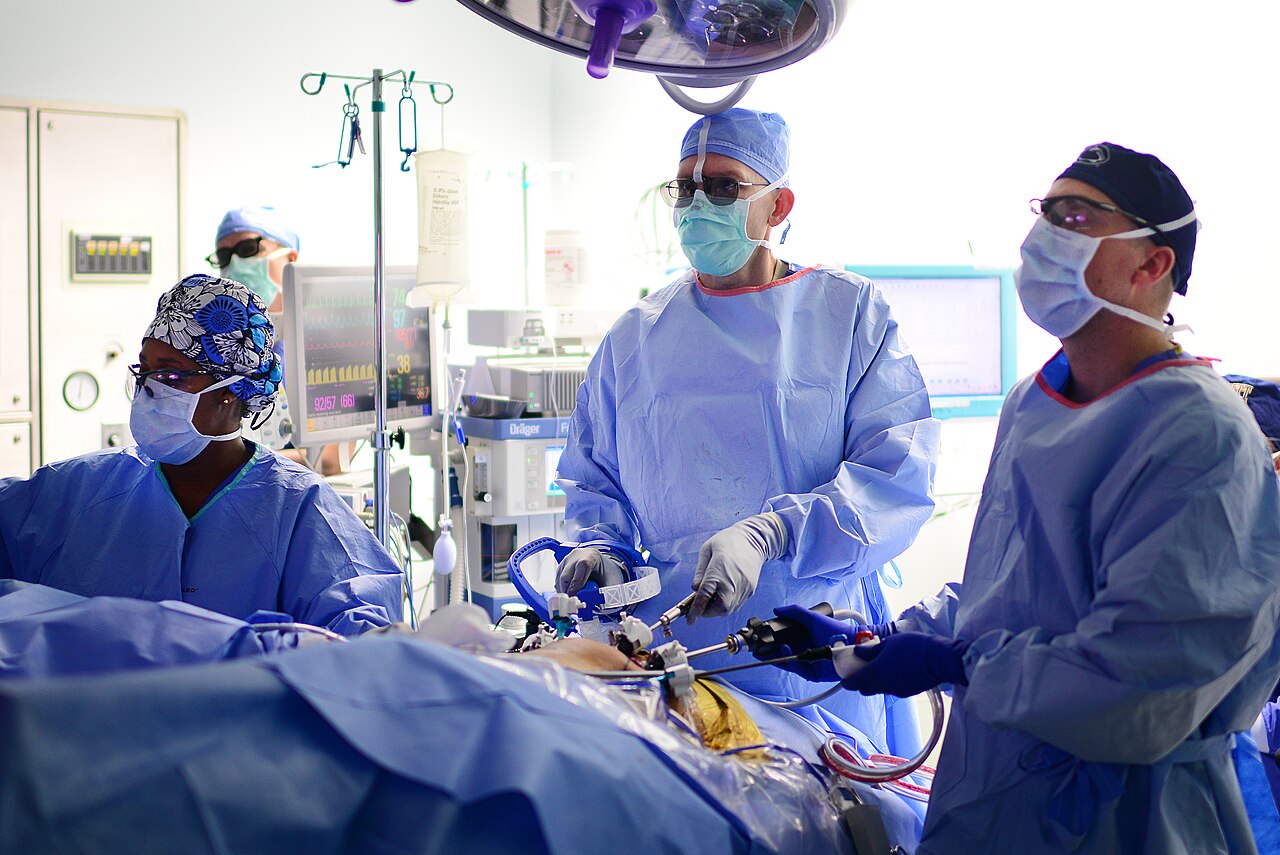
The weeks before prostate surgery create a research window: investigators can give an intervention, then examine removed tissue. That design can reveal whether compounds reach the prostate and whether selected markers change. It cannot show that a supplement prevents recurrence, extends life or improves surgical recovery unless those outcomes are actually followed and compared.
The flaxseed and prostate cancer guide explains the same presurgery limitation. Tissue and proliferation markers are valuable research tools, but they should not be promoted as patient outcomes. Red clover deserves that same careful reading.
Early red-clover studies were small
One study gave 20 men a high-dose red-clover isoflavone preparation before prostatectomy and examined apoptosis and related tissue findings. Another one-year study followed men with elevated PSA and negative biopsies. These projects helped explore biology and tolerability, but they were not large placebo-controlled cancer-outcome trials.
Without a suitable comparison group, changes over time can reflect natural variation, regression toward the mean or differences in clinical care. A measured tissue effect can support more research while remaining far from a treatment recommendation.
A randomized tissue study improved the design
A randomized trial assigned 40 men to clover-derived phytoestrogens or placebo for about two weeks before prostatectomy. Researchers measured isoflavones in serum and prostate tissue. Demonstrating tissue exposure answers a pharmacology question: the compounds arrived. It does not prove that the exposure improved cancer control.
A separate randomized dose-finding presurgery study also explored isoflavones and biomarkers. Dose finding is useful for planning larger research, but a biomarker trend should not be turned into a promise. The broccoli sprout and sulforaphane guide offers another example of why biomarker language must not become survival language.
Soy and red clover are not interchangeable
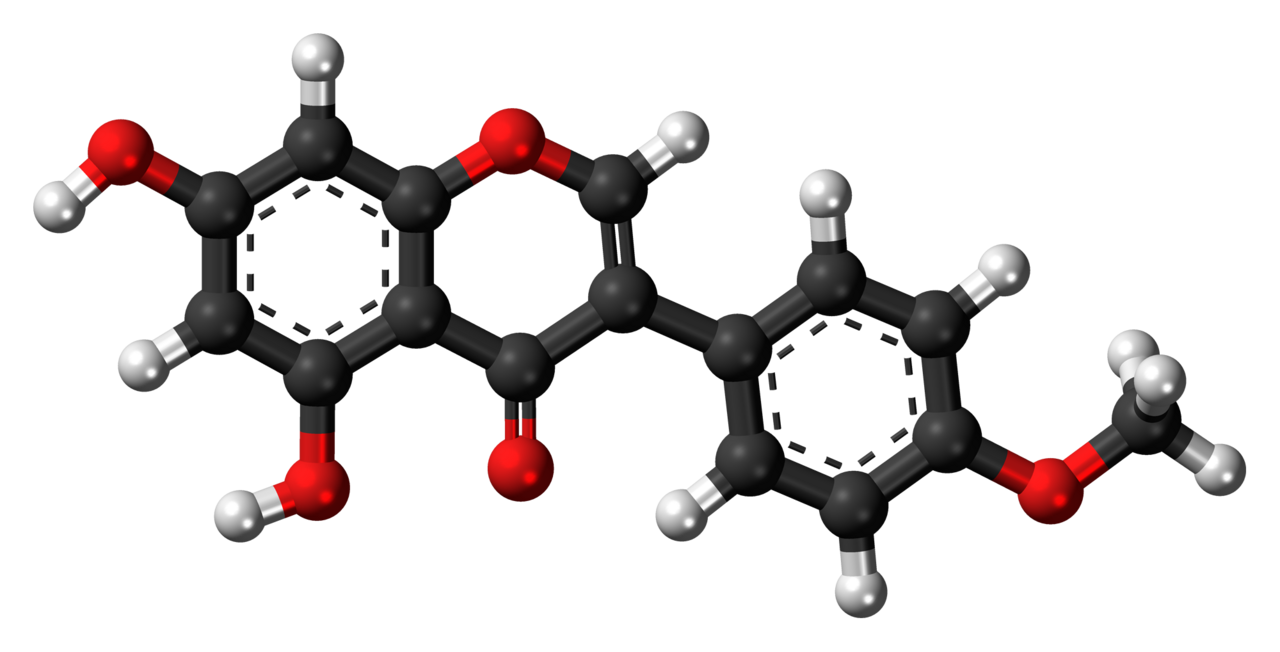
Both contain isoflavones, but their mixtures and dominant compounds differ. Red clover commonly provides biochanin A and formononetin, while soy research often focuses on genistein and daidzein. A favorable or negative soy result cannot automatically settle a red-clover question.
The existing soy isoflavone supplement guide also separates foods from concentrated extracts. A cup of soy food, a red-clover tablet and a standardized research preparation are different exposures. The label should identify the extract and actual isoflavone amount rather than leaning on the plant name alone.
Before surgery, pause the experiment
Do not start red clover in the presurgery window without the surgeon's approval. Isoflavones have hormone-related activity, and concentrated botanicals may raise medication or bleeding questions. Bring the product label, dose and last-use date to preoperative review.
The full supplement list before prostate biopsy or surgery is more useful than a generic “natural products” note. Ask which products to stop and when, and follow the procedure team's instructions exactly for the planned operation. If the goal is cancer treatment, keep the discussion with the oncology team; a small tissue study cannot turn red clover into an approved therapy.
Short window studies can still be valuable when their purpose is described honestly. They can establish adherence, tissue exposure and whether a larger trial is feasible. Those findings help researchers choose doses and endpoints. For readers, the correct benefit is better understanding of the evidence—not a hidden assurance that surgery, PSA recurrence or survival will improve.
Red clover can also overlap with other isoflavone products. Count soy extracts, menopause formulas and blended botanicals together instead of considering each bottle in isolation. Anyone using anticoagulants or preparing for a procedure should ask for product-specific advice. A general reputation for plant estrogens is not enough to settle an individual interaction.
After surgery, follow the team's instructions before restarting any botanical or concentrated extract. Recovery can change eating, medicines and bleeding risk, so a product that was tolerated months earlier may not fit immediately. The safest restart date is a clinical decision, not a date inferred from an old study protocol.