Probiotics During Prostate Radiotherapy: What Trials Show
Small prostate-radiotherapy trials tested probiotics and synbiotics for bowel symptoms and treatment setup. Here is what they can—and cannot—support.
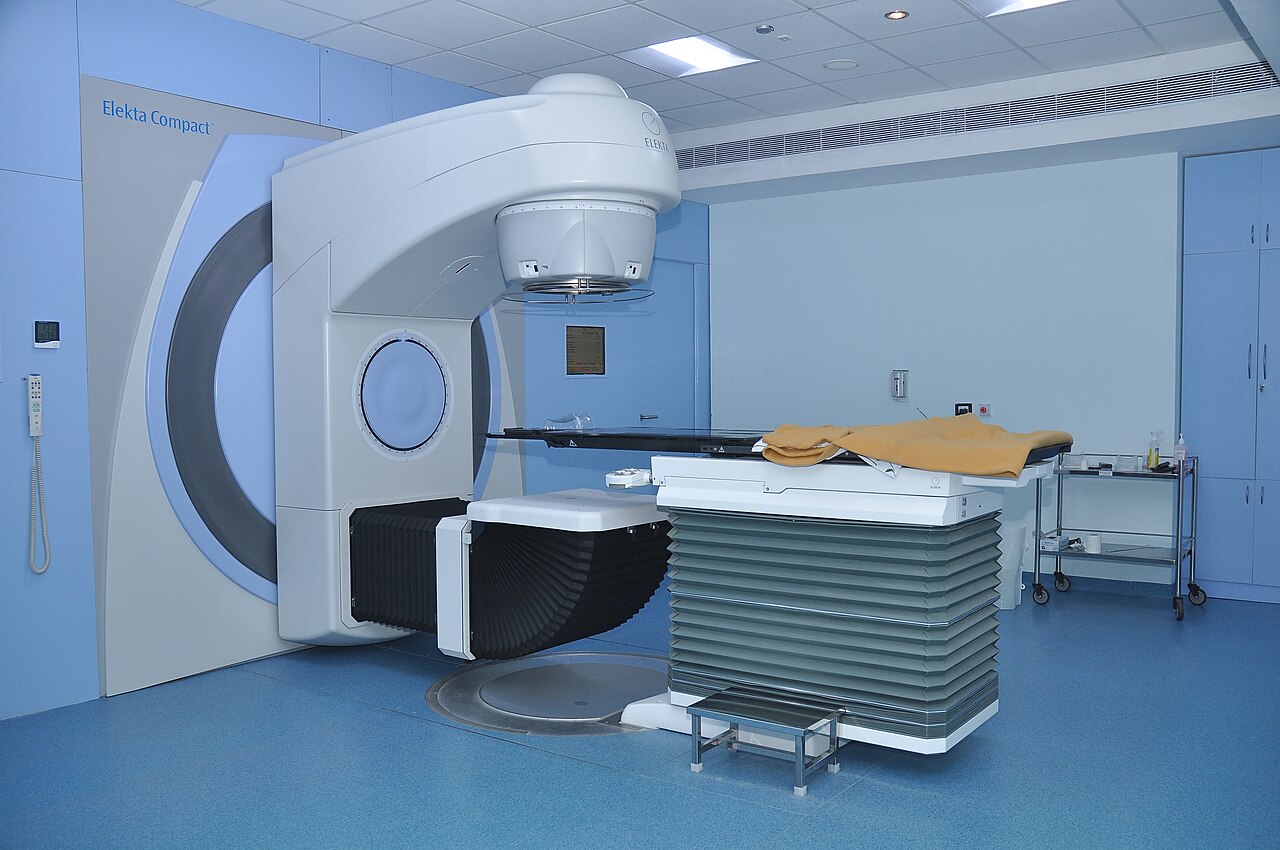
Small trials offer interesting signals, but they do not establish a standard probiotic formula for preventing bowel symptoms during prostate radiotherapy.
A calmer gut is an appealing goal
Bowel urgency, gas and rectal irritation can make prostate radiotherapy harder to live with. A probiotic sounds like a gentle solution, but the useful question is precise: did a named strain or synbiotic improve a defined outcome in men receiving this treatment? A few small trials have looked, and their mixed results call for careful expectations.
This topic is different from probiotics after antibiotics for chronic bacterial prostatitis. Radiation affects nearby bowel tissue and daily treatment geometry; an antibiotic-recovery study cannot answer whether a capsule protects the rectum during radiation.

One Lactobacillus trial focused on treatment setup
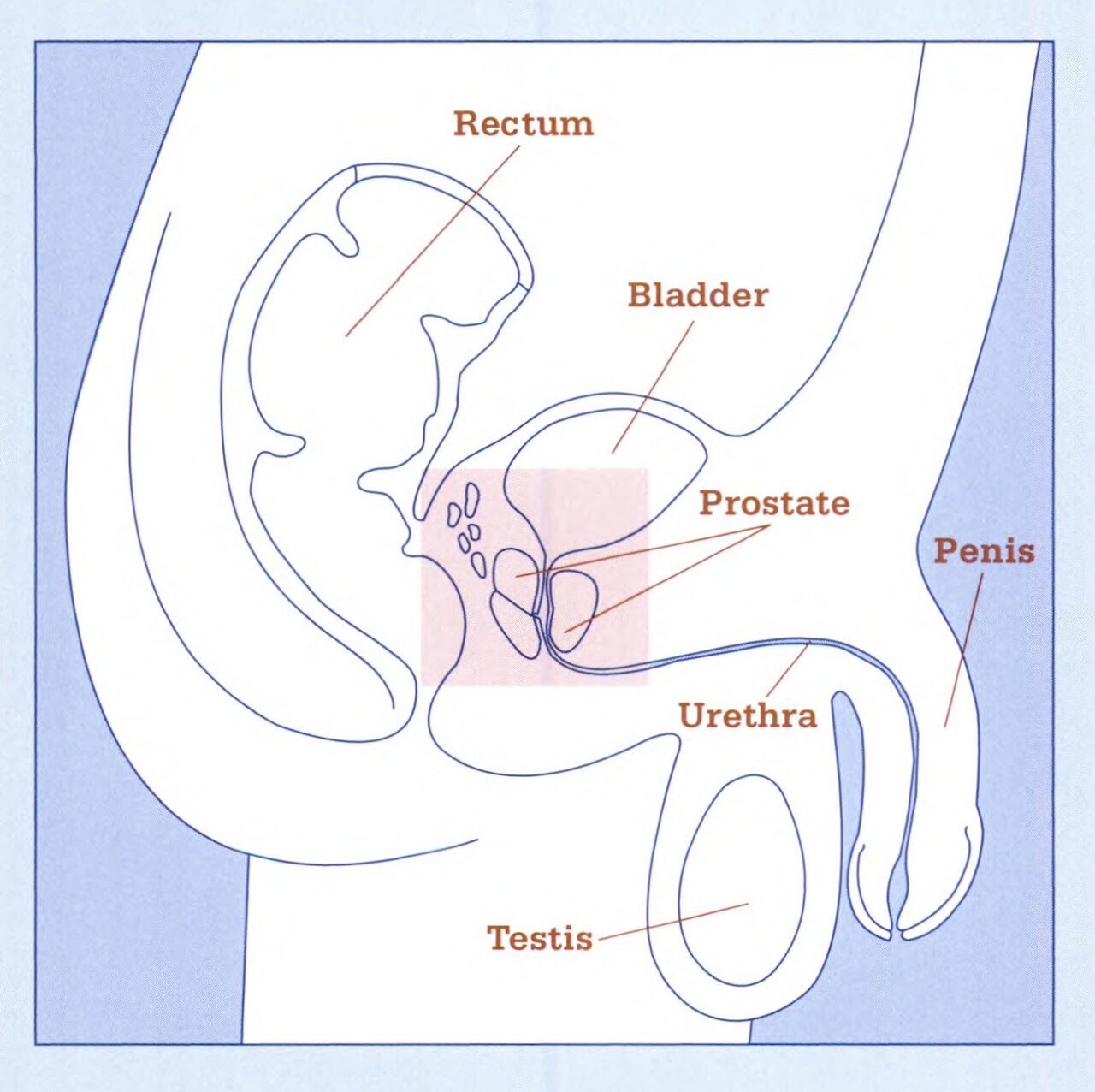
A placebo-controlled study of 40 men tested Lactobacillus acidophilus during prostate radiotherapy. Researchers were interested in rectal volume and prostate movement, because gas and bowel filling can alter the target's position. The study offered a treatment-planning signal, not proof that probiotics prevent long-term bowel injury or improve cancer control.
That distinction matters. A smaller or more stable rectum on imaging can be useful, yet it is not the same outcome as less diarrhea, less bleeding or better quality of life months later. It also does not tell us that another species, dose or store brand will behave the same way.
Synbiotic pilots were promising but small
A randomized pilot involving 20 men tested a synbiotic, meaning probiotic organisms combined with a prebiotic substrate. Investigators measured acute radiation proctitis symptoms and quality of life. A later randomized study also examined symptoms and fecal calprotectin, a marker of intestinal inflammation. These studies help define research questions, but their scale limits certainty.
Biomarkers and short symptom scores need the same caution used in the guide on CoQ10 in prostate supplements: a change in a marker is not automatically a durable clinical benefit. Treatment technique, diet, baseline bowel conditions and other medicines can also shape symptoms.
A bowel-preparation trial complicates the story
Another randomized study compared preparation strategies and found that a probiotic-based approach produced more rectal gas than an osmotic laxative. That does not prove probiotics are harmful during radiotherapy. It shows why the exact product and the exact goal matter, and why a plausible gut-health story can fail in a treatment-planning context.
Tell the radiation team about every supplement before starting. The guide on supplements before prostate biopsy or surgery offers a useful medication-list habit that also fits radiation: bring the bottle or a clear label photo so staff can see the strain names, amounts and added ingredients.
Use the clinic's bowel plan as the anchor
Follow the center's instructions on diet, hydration, bladder filling and bowel preparation. If diarrhea, rectal bleeding, pain, fever or dehydration develops, report it rather than relying on a supplement. Those symptoms may need assessment and treatment tailored to severity.
If the team is comfortable with a probiotic, choose it for a specific reason and record the strain and dose. Do not let a broad “billions of cultures” number substitute for evidence. As the urinary symptom record guide suggests, a simple daily log can make patterns easier to discuss and can help the team separate treatment effects from a new product.
If a probiotic is considered, record more than the brand. Capture the genus, species, strain code, colony-forming amount, serving schedule and storage instructions. Those details determine whether the product resembles a study. A refrigerated capsule, shelf-stable powder and multi-strain blend should not be treated as the same intervention just because each uses the word probiotic.
Immunosuppression, central lines, severe illness and major bowel disease can change the safety conversation. Probiotics are usually marketed as low risk, but live organisms are not appropriate for everyone. The oncology or radiation team can judge that context and can recommend evidence-based medicines, hydration strategies or diet changes when symptoms need more than observation.
Do not change the clinic's bowel-preparation routine on treatment mornings unless the team agrees. Even a supplement intended to reduce gas could change bowel habits unpredictably. Consistency helps the radiation staff reproduce positioning and recognize when a new symptom needs attention.