Boron Supplements and Prostate Cancer: Evidence vs. Claims
Boron research includes conflicting observational studies, not prevention trials. Learn why food-intake estimates cannot establish a supplement benefit.
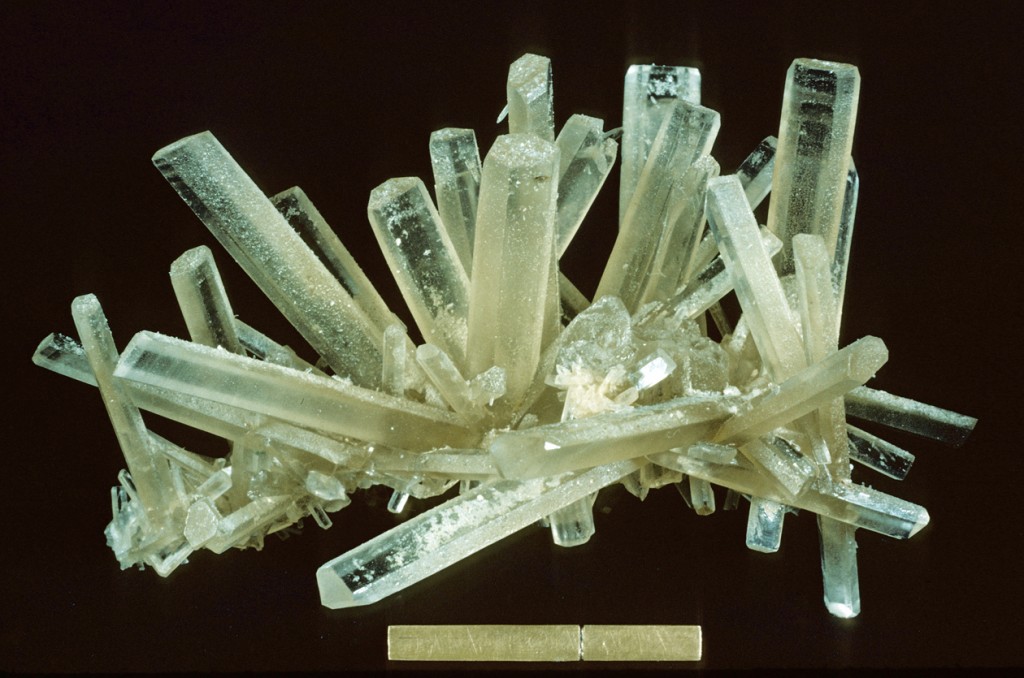
No randomized trial shows that taking boron prevents prostate cancer; observational studies are inconsistent and cannot establish a protective dose.
The prevention promise outruns the research
Boron is a trace element found in foods and water, which gives supplement claims a familiar nutritional frame. The useful question is whether people assigned to take boron developed less prostate cancer. That trial has not been done. The human evidence behind prevention claims is mainly observational, and it does not point in one clean direction.
This is the same evidence hierarchy that matters for vitamin K2 and prostate cancer: a dietary association can generate a hypothesis, but it cannot prove that a capsule changes risk. People with different boron intakes may also differ in diet, location, income, screening and many other ways.
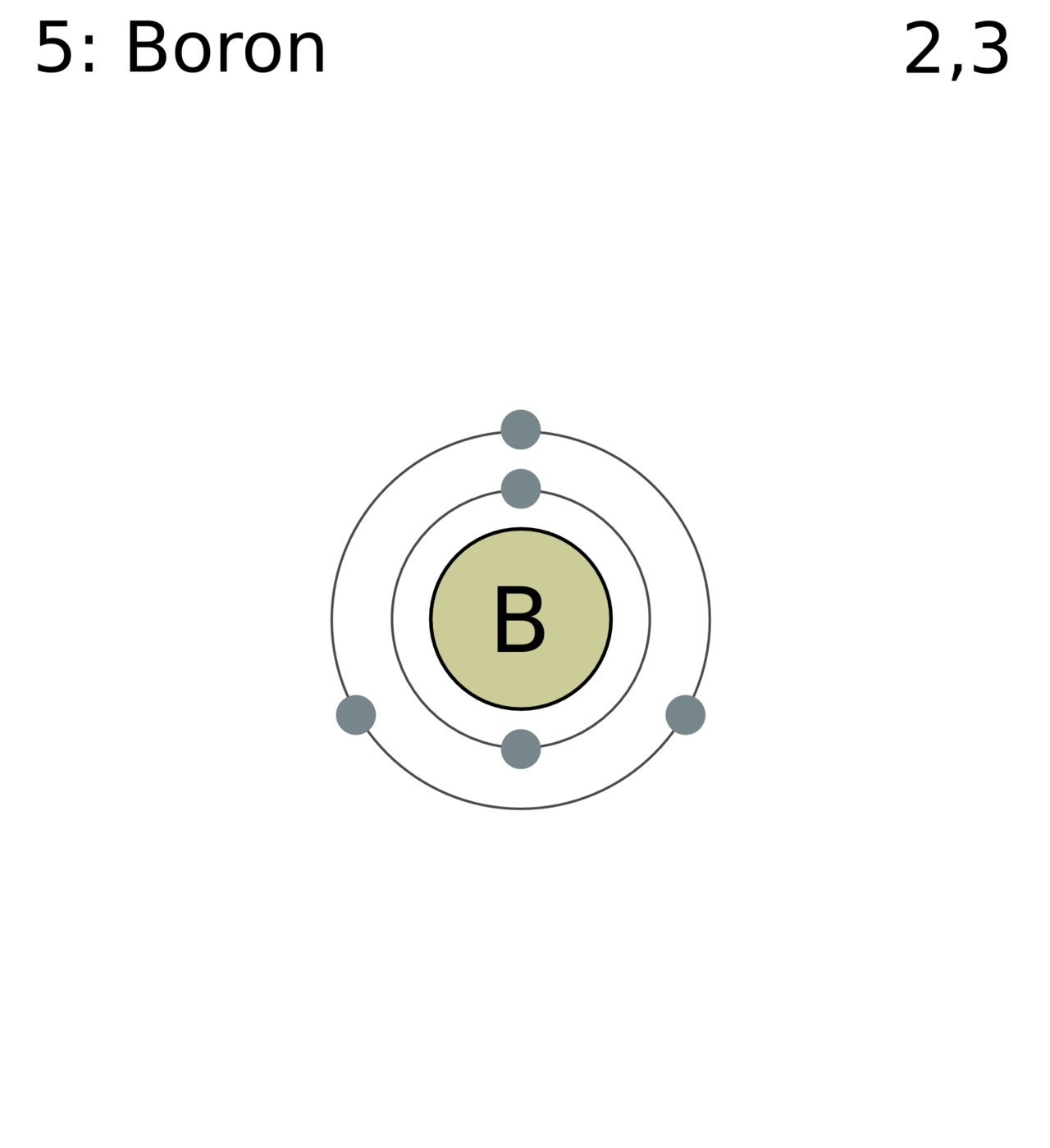
One study reported an inverse association
A case-control study reported lower prostate-cancer odds among men with higher estimated dietary boron intake. The finding attracted attention because it appeared dose-related. Yet intake was reconstructed from questionnaires, and case-control studies are vulnerable to recall, selection and unmeasured differences between groups.
An association is not meaningless; it is simply not an assignment. Researchers did not give one group boron and another placebo, then count cancers. That missing randomization makes it impossible to know whether boron itself produced the pattern.
A prospective analysis did not confirm protection
A prospective study evaluating boron intake and prostate-cancer risk found no association. Prospective designs collect information before diagnosis and can reduce some forms of bias, although dietary estimates remain imperfect. When observational studies conflict, choosing only the favorable result creates a false sense of certainty.
Research in a population with high environmental boron exposure also cannot be converted into a supplement dose. Exposure source, duration and coexposures differ from a labeled capsule. “More boron” is not a single intervention across food, water, workplace and supplements.
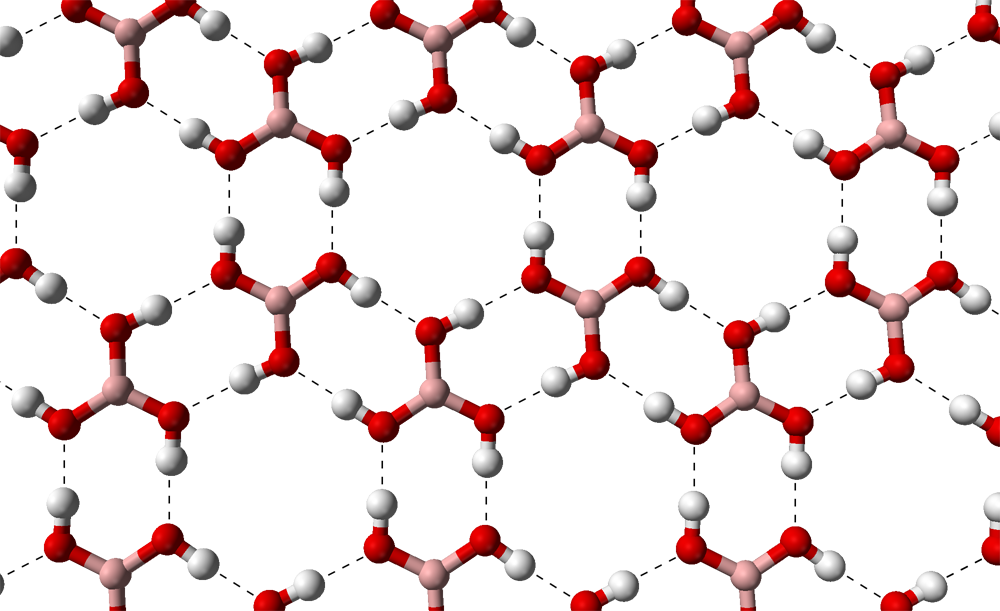
Mechanisms cannot select a safe dose
Cell and animal studies can explore inflammation, steroid hormones or tumor behavior. They cannot tell a reader whether a retail dose prevents cancer without causing other effects. The beta-carotene supplements and prostate cancer guide shows why plausible nutrient biology can fail when tested in people.
Boron is not currently recognized as an essential nutrient for humans by the U.S. National Academies, and there is no established recommended dietary allowance. That does not mean every exposure is dangerous. It means a marketing “daily need” should not be invented where authoritative guidance has not set one.
Use a prostate-risk plan, not a mineral shortcut
Do not take boron to treat a rising PSA, urinary symptoms or prostate cancer. Before biopsy or surgery, keep boron on the same complete supplement list as every other product. Review age, family history, ancestry, prior results and screening preferences with a clinician.
The zinc in prostate formulas guide offers a practical comparison: a nutrient can have normal biological roles without “more” becoming a prostate strategy. Also keep the supplement list current before biopsy or surgery. A clear record gives clinicians a better basis for advice than a front-label prevention claim.
Read the Supplement Facts panel rather than the mineral story on the front. Boron may appear as boron citrate, boron glycinate or another compound, sometimes inside a proprietary blend. The elemental amount is the useful number for comparing products. If the label does not make that amount clear, the uncertainty is a reason to pause rather than estimate.
Also separate preventing disease from meeting ordinary nutrition needs. Fruits, legumes, nuts and vegetables naturally supply boron within a wider eating pattern. Choosing those foods can support general nutrition without pretending that their boron content is a tested prostate intervention. A capsule marketed around one observational study is a much narrower and less proven decision.
If you already use boron for another reason, do not assume a prostate benefit and do not hide it from the medication list. Record the amount and compound, then revisit the need when the product runs out. A deliberate review is more useful than letting a speculative prevention habit continue indefinitely.