American Ginseng for Cancer Fatigue: A Prostate-Care Guide
American ginseng improved fatigue at eight weeks in a large mixed-cancer trial, but the evidence is not prostate-specific. See the limits and safety questions.
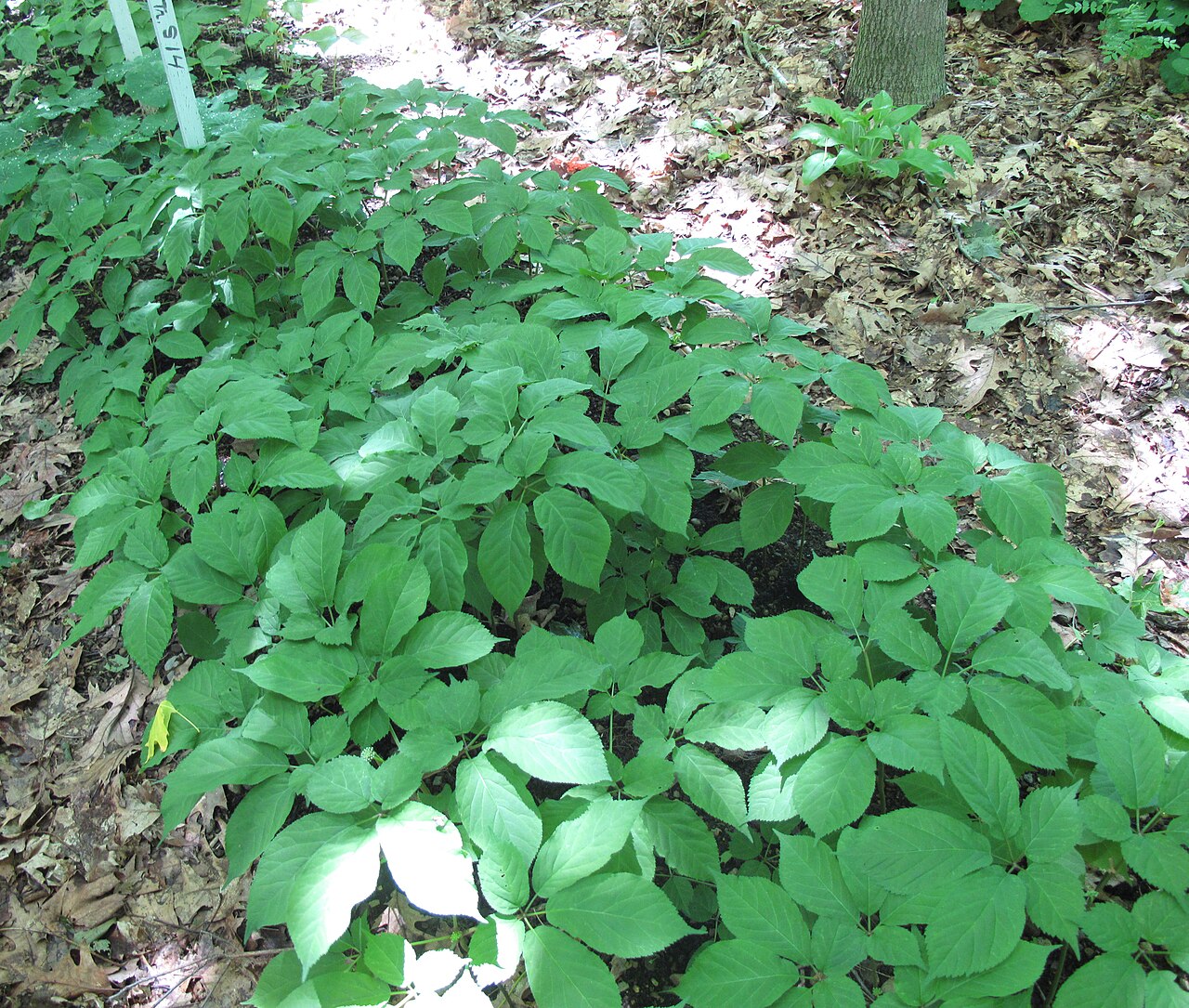
American ginseng has a positive mixed-cancer fatigue trial, but it is not a prostate-cancer treatment and does not identify the cause of an individual's fatigue.
A real signal, with an important boundary
Fatigue can drain the value from a good treatment day. American ginseng has more human evidence than many energy supplements: a large randomized trial found a greater improvement after eight weeks. The catch is equally important—the participants had many types of cancer, so the result is supportive-care evidence, not a prostate-specific finding.
Start by clarifying what is causing fatigue. Anemia, poor sleep, pain, depression, infection, low intake and treatment effects need different responses. The nighttime bathroom trips and sleep guide is useful when repeated waking, rather than low daytime energy alone, may be driving the problem.
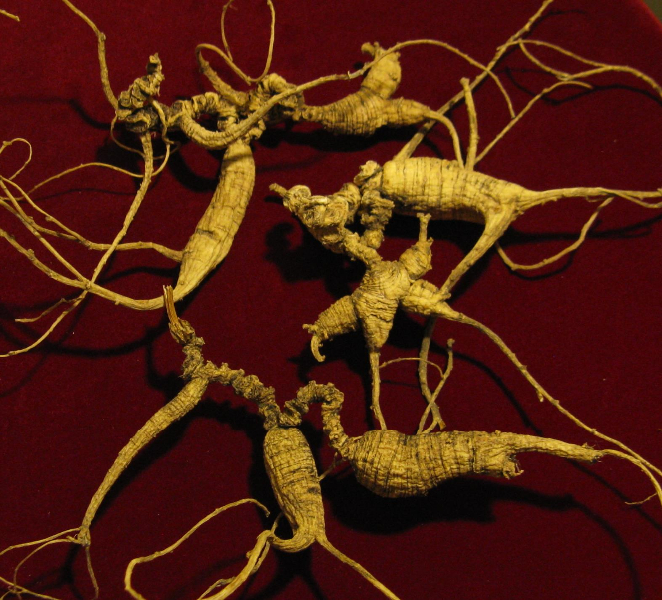
What the 364-person trial actually showed
The N07C2 trial randomized 364 fatigued cancer survivors to 2,000 milligrams of American ginseng or placebo daily for eight weeks. At four weeks, the primary comparison was not statistically significant. At eight weeks, the ginseng group improved more on the fatigue scale, with no significant difference in reported toxicities.
That sequence matters. A positive later comparison should not be rewritten as an immediate effect, and the tested product was a standardized Panax quinquefolius preparation. It does not validate every ginseng species, extract, tea or multi-ingredient vitality formula.
The earlier pilot helped choose the dose
A 290-person randomized dose-finding pilot compared 750, 1,000 and 2,000 milligrams per day with placebo. The 1,000- and 2,000-milligram groups showed nonsignificant favorable trends, supporting a larger trial. That is useful research progression, but the pilot alone was not proof.
A later head-and-neck cancer trial using 1,000 milligrams daily did not show a fatigue benefit, reminding us that population and preparation can change the answer. A systematic review can summarize that mixed picture, but the direct trials remain the primary evidence.
Ginseng is not an anticancer claim
Nothing in these fatigue trials shows that American ginseng slows prostate cancer, lowers PSA or replaces treatment. The white button mushroom powder after PSA recurrence guide offers a related lesson: an interesting biological or biomarker signal is not the same as controlled evidence of better cancer outcomes.
Check the label for the species name, extract description and dose. “Ginseng” can refer to American, Asian or Siberian products, and Siberian ginseng is a different plant. Also check added stimulants, sweeteners and overlapping botanicals rather than judging the product by the front label alone.
Bring fatigue and the bottle to the same visit
Throughout cancer care, report new or worsening fatigue, especially with shortness of breath, dizziness, fever, bleeding, chest pain or marked weakness. Ask whether blood counts, thyroid function, sleep, mood, medicines or treatment timing could be involved. Then ask whether American ginseng is compatible with the plan.
Use the supplement medication-list habit before prostate procedures and throughout cancer care. A pharmacist or oncology clinician can review interactions and suitability, including diabetes medicines, anticoagulants and hormone-sensitive conditions. If a trial is reasonable, set a time-limited goal and record whether daily function actually changes.
Product quality is another gap between a trial and a store shelf. Ginsenoside content, plant age, extraction and contamination testing can vary. A certificate or standardized percentage may improve traceability, but it still does not turn one commercial product into the exact trial preparation. Avoid products that add caffeine if the goal is to understand ginseng's effect without worsening sleep.
Define improvement in daily terms before a trial: finishing a walk, preparing a meal or staying awake through an afternoon activity. A fatigue scale in research is useful because it captures function, not simply a burst of stimulation. If the product disrupts sleep or creates jitteriness, the next day's energy may worsen even if it feels activating at first.
Review purchase terms before committing to a large supply. The positive trial lasted eight weeks, but that duration does not create a guaranteed response deadline. Buy only enough to support a monitored, time-limited decision and avoid letting a bundle size determine how long you continue.