DHEA Supplements, PSA and Prostate Safety: A Clear Guide
DHEA is a hormone precursor, not a simple vitality nutrient. Review small randomized trials, PSA limits and questions to ask before taking it.
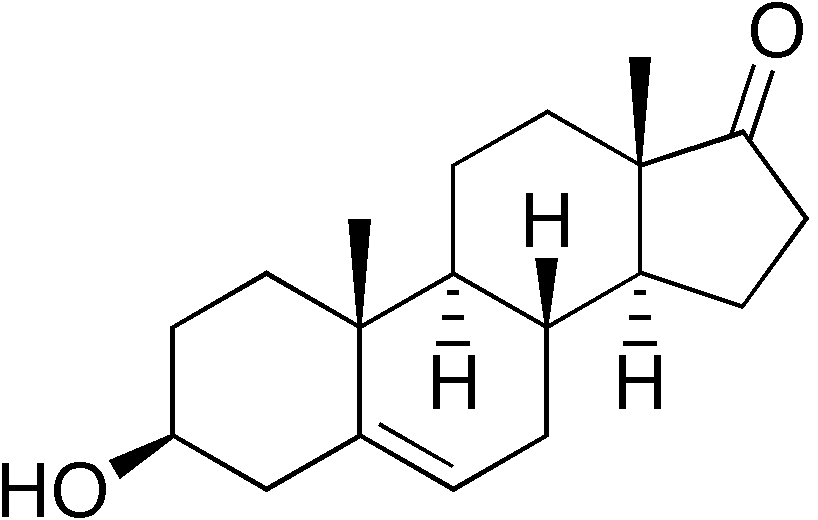
Small trials did not show a clear PSA rise, but they were not designed to establish long-term prostate safety or benefit from over-the-counter DHEA.
Treat DHEA like a hormone decision
DHEA often sits beside ordinary vitamins, yet the body can convert it into androgens and estrogens. That changes the buying question. Instead of asking whether it is “natural,” ask what symptom is being addressed, whether a deficiency has been established and whether hormone-sensitive prostate history makes unsupervised use a poor fit.
The testosterone therapy and prostate safety guide helps keep categories straight. Prescription testosterone, DHEA and a botanical testosterone booster are different interventions. Evidence from one cannot be pasted onto another, even when all are marketed around energy, libido or aging.
The erectile-dysfunction trial was small
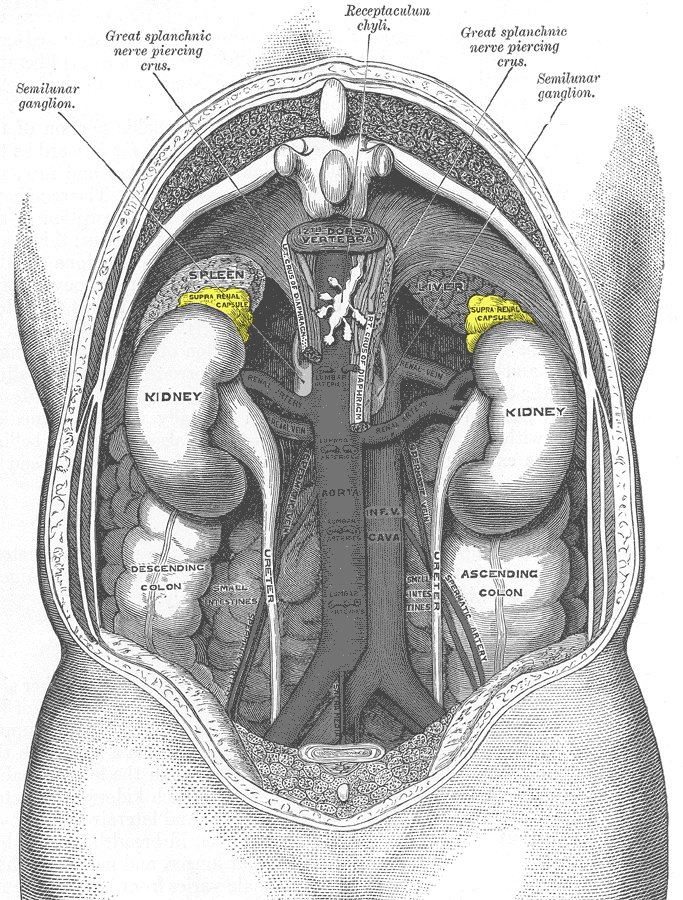
A randomized placebo-controlled trial studied oral DHEA in men with erectile dysfunction who had normal PSA and no major prostate abnormality at entry. It reported some improvement in erectile-function measures and no significant change in PSA or prostate volume during the study. The eligibility rules matter: this was a selected group, not proof of safety for men with prostate cancer.
The sample and follow-up were too limited to settle uncommon harms, cancer risk or long-term prostate effects. A stable PSA in a small short trial can be reassuring within that setting, but it is not a lifetime safety certificate or a reason to skip evaluation of ED.
Other randomized trials did not show broad vitality gains
In resistance-trained middle-aged men, a randomized trial of DHEA or androstenedione did not improve strength, lean body mass or testosterone and did not change PSA. Another randomized study comparing testosterone and DHEA in men with age-related hormone changes found no convincing clinical benefit from DHEA.
Those results challenge the idea that a hormone precursor reliably restores youthful performance. They also show why symptoms deserve a diagnosis rather than a supplement guess. Fatigue, low libido and erectile difficulty can arise from sleep, vascular disease, depression, medication effects or prostate treatment.
Conversion pathways create uncertainty
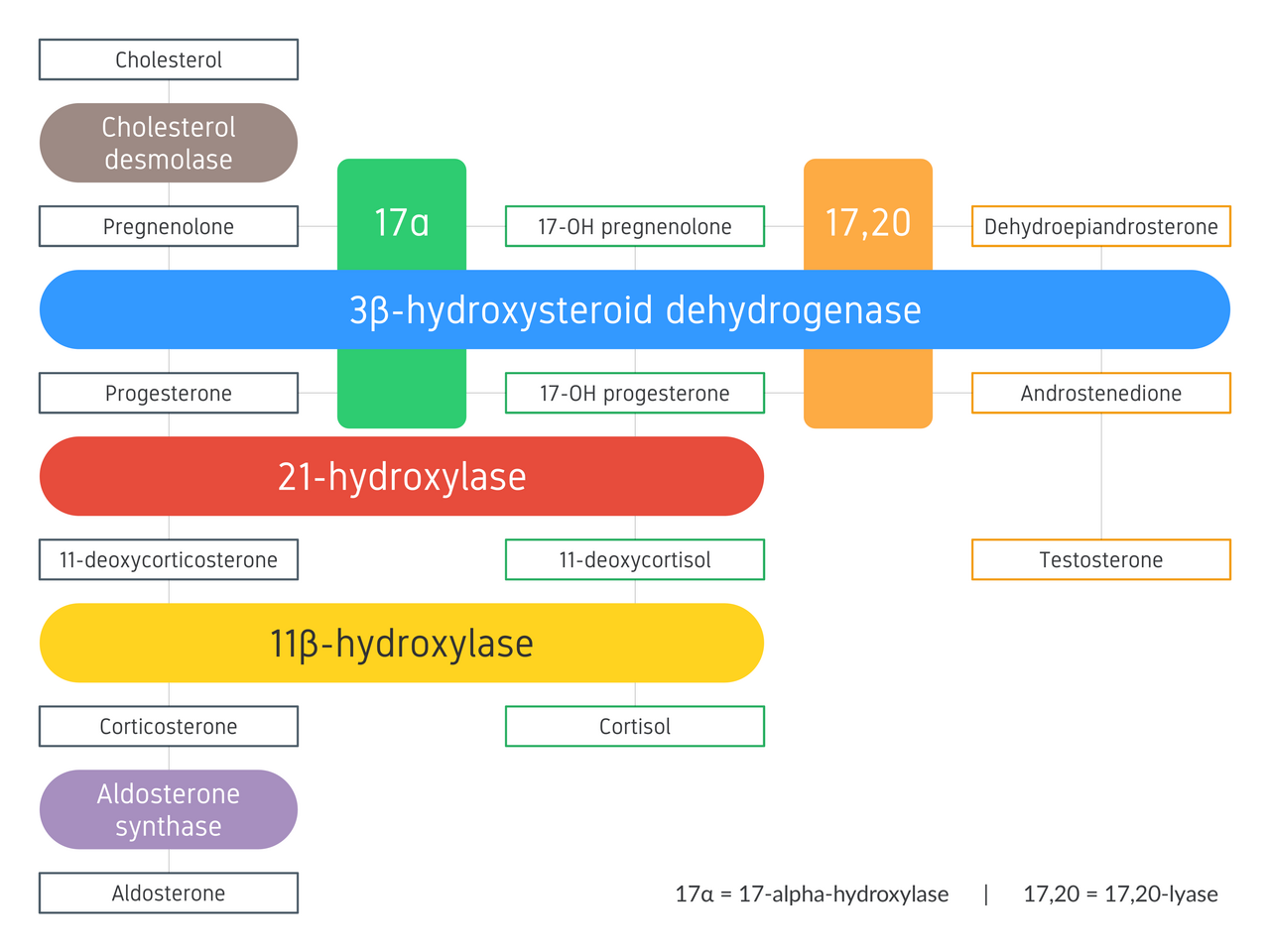
A pharmacokinetic trial found that DHEA can increase downstream androgen metabolites. That biological activity is the reason DHEA deserves more caution, not proof that it benefits the prostate. A pathway can show what might happen; only appropriate trials can show net clinical outcomes.
The ashwagandha testosterone booster and prostate monitoring guide makes a parallel point for another category: an ingredient signal is not TRT and should not be treated as a prostate-health result. With DHEA, the hormone precursor status makes an individualized review especially important.
A practical checklist before purchase
Do not start DHEA to treat a rising PSA, urinary symptoms or prostate cancer. A multivitamin plus a hormone-oriented blend can complicate the context too. Ask whether the symptom needs a medication review, morning hormone testing or cardiovascular assessment. If you have prostate cancer, are on ADT, or use other hormones, discuss the product directly with the treating clinician.
Bring the bottle and the complete supplement list. The prostate-support claim guide can help separate a label's broad language from evidence for a specific outcome, while the biotin and PSA testing guide is a reminder that even nonhormonal supplements can complicate laboratory interpretation. Keep the decision tied to a defined goal, a time frame and appropriate monitoring.
Over-the-counter status can obscure dose differences. DHEA products range widely, and blood exposure varies with age, sex, timing and metabolism. Copying a study dose is not a substitute for deciding whether DHEA belongs in the plan at all. Hormone testing performed after starting may also be harder to interpret without a clear baseline.
Stop and seek advice for new breast tenderness, acne, hair changes, mood changes, urinary worsening or other hormone-related effects. Report every hormone product before PSA testing or prostate follow-up. The absence of a PSA change in a short trial does not remove the need to investigate a new symptom or an abnormal result.
Because DHEA can alter hormone measurements, tell the clinician the exact last dose and timing before laboratory work. Do not stop prescribed cancer therapy or hormone treatment to make room for a supplement. Any change to those medicines belongs with the prescriber who understands the treatment goal.