Vitamin C supplements and prostate cancer: the prevention trial gave a clear answer
A large randomized trial found no prostate-cancer prevention benefit from daily vitamin C. Learn what that means for food, deficiency, and high-dose supplements.

Vitamin C remains essential nutrition, but long-term randomized evidence does not support taking 500 milligrams daily to prevent prostate cancer.
The useful answer comes from a long trial
Vitamin C has a reassuring reputation, yet the most useful prostate question is not whether it acts as an antioxidant in a test tube. It is whether men assigned to take it developed less prostate cancer. The Physicians’ Health Study II supplied that direct test and found no prevention benefit from daily vitamin C.
That result does not make oranges unhelpful or deficiency unimportant. It draws a line between meeting a nutrient need and using a concentrated dose as cancer prevention. For a man choosing supplements, that distinction can save money and keep attention on screening and risk conversations that actually fit his age and history.
What Physicians’ Health Study II tested
Researchers randomly assigned 14,641 male physicians age 50 or older in a factorial trial. The vitamin C comparison used 500 milligrams daily, with cancer outcomes followed for an average of eight years. Vitamin C did not significantly change prostate-cancer incidence: the hazard ratio was 1.02, with a confidence interval that crossed no effect.
A later post-trial analysis extended average follow-up to 10.3 years. It again found no significant immediate or delayed effect on prostate cancer. That second report matters because it makes a simple “perhaps the benefit needs more time” explanation less convincing for the dose, population, and outcome actually studied.
Antioxidant logic is not an outcome
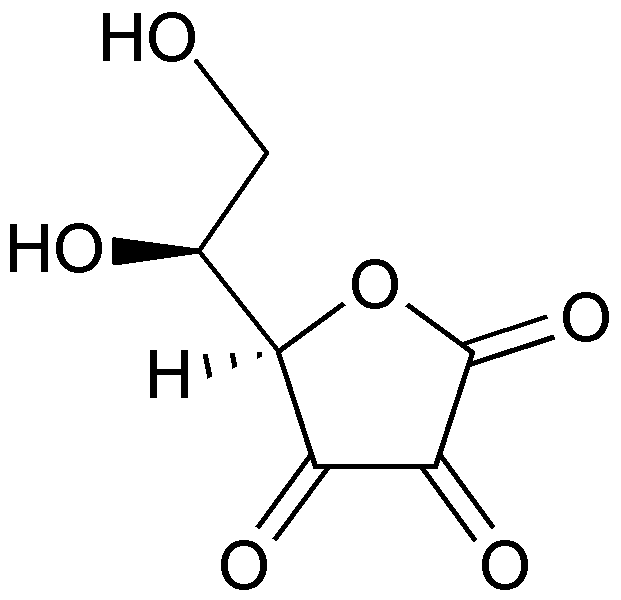
Vitamin C can donate electrons and participates in normal antioxidant defenses. Cancer biology, however, is not a jar of oxidizing chemicals. Tumors develop through many interacting pathways, and antioxidants can behave differently across tissues, doses, and stages. A plausible mechanism is a reason to run a trial, not a substitute for the result.
The trial also cannot answer every vitamin C question. It did not test treatment of established prostate cancer, correct a documented deficiency, or compare every dose. High-dose intravenous vitamin C is a medical intervention, not an oral supplement; a recent phase II prostate trial with docetaxel was stopped for futility on its primary endpoints.
Food and supplements remain different choices
Fruit and vegetables bring fiber, potassium, folate, and many plant compounds along with vitamin C. A tablet delivers a selected amount without reproducing that food pattern. The negative prevention result therefore says a great deal about the tested supplement strategy and very little about whether a varied diet is worthwhile.
Check the total dose across a multivitamin, drink mix, and separate vitamin C bottle. More is not automatically better, and large doses commonly cause gastrointestinal upset. Kidney-stone risk and iron-overload disorders can also make casual high-dose use a poor fit, so personal history belongs in the decision.
A practical close for prostate-minded readers
Use vitamin C to meet a nutrition need, not as a substitute for prostate care. If a clinician has identified low intake or another reason to supplement, choose a dose for that purpose. If the goal is cancer prevention, the large randomized trial does not support the familiar 500-milligram-a-day promise.
Bring the full supplement list to routine visits, especially when several products overlap. Ask which actions match your actual risk: shared decisions about PSA testing, follow-up of an abnormal result, tobacco avoidance, activity, and a sustainable eating pattern. Better questions begin by giving the best human outcome evidence more weight than antioxidant marketing.
Questions the trial can and cannot settle
The participants were mostly health professionals and were at least 50 years old, so the study is most directly informative for middle-aged and older men using the tested dose for primary prevention. It does not prove that every possible dose is ineffective in every population. It does show that a common, plausible, long-term strategy failed when tested at useful scale.
That is enough to change a buying decision. When a marketer cites cell studies, antioxidant capacity, or a small biomarker experiment, compare that evidence with a trial containing more than fourteen thousand men and confirmed cancer outcomes. The larger study answers the prevention question more directly, even if its answer is less exciting than the mechanism.