Ashwagandha testosterone boosters and prostate monitoring: ingredient signals are not TRT
Some ashwagandha trials report small testosterone changes in selected men. That does not make a blend equivalent to TRT or prove prostate safety and symptom benefit.

Ashwagandha research is extract- and population-specific; a modest laboratory change does not diagnose low testosterone or establish a finished blend’s prostate effects.
A testosterone number is only part of the problem
Fatigue, low desire, erectile difficulty, and reduced strength can prompt men to shop for a testosterone booster. Those symptoms also have many other causes. A supplement that changes a lab value in one trial does not establish clinical hypogonadism, which requires compatible symptoms and properly timed testing interpreted in context.
That matters for prostate-conscious readers because “natural testosterone support” is not a separate biological universe. Any product marketed around hormones deserves a clear goal, an exact ingredient list, and a plan for symptoms and laboratory follow-up rather than an assumption that herbs work like gentle TRT.
Ashwagandha trials show a mixed, specific signal
An eight-week randomized crossover trial in overweight men ages 40 to 70 used a standardized ashwagandha extract. Testosterone and DHEA-S increased relative to placebo, but the study did not show significant between-group improvements in fatigue, vigor, or sexual well-being. It tested one extract in one population.
Another randomized stress study found testosterone rose over time in men, but the difference versus placebo was not statistically significant. Newer trials and a 2026 meta-analysis suggest an average increase in men, yet formulations, doses, populations, and funding vary. The evidence does not create one predictable response for every bottle.
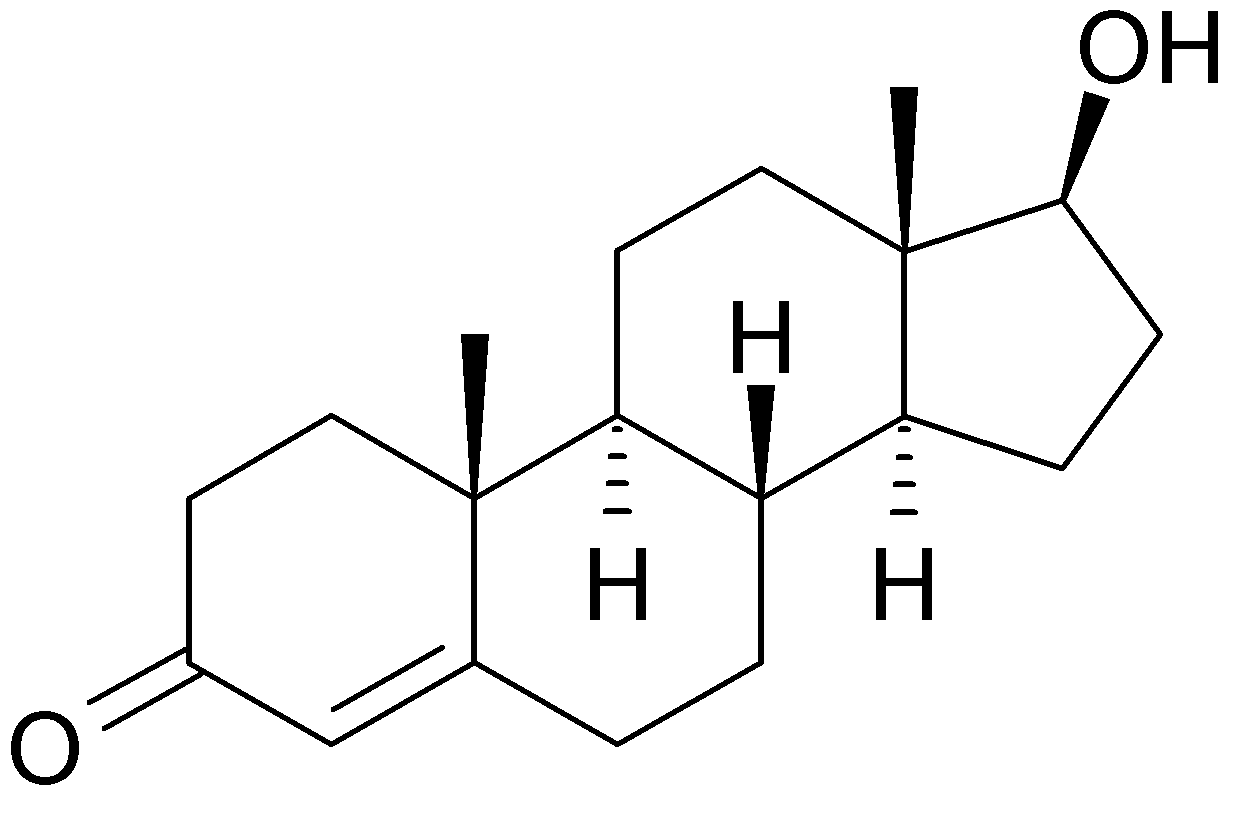
A hormone shift is not a prostate outcome
These ashwagandha studies did not establish long-term prostate-cancer safety, prevent urinary symptoms, or show that PSA monitoring can be skipped. PSA can change for many reasons, and a supplement should not be credited or blamed from one isolated result without clinical review.
Testosterone replacement therapy is a prescription treatment with diagnostic standards and monitoring. A booster supplement is not TRT, and ingredient research does not grant it the same evidence or oversight. Men with prostate cancer, a concerning PSA, or active evaluation should discuss hormone-oriented products with the treating team before use.
How to read Max T as a finished product
Max T is a testosterone-support supplement whose current formula combines fenugreek, Long Jack, KSM-66 ashwagandha, magnesium, zinc, vitamin B6, and a supporting blend. That coordinated format may be convenient, but no cited ashwagandha trial tested the complete Max T formula.
Compare the current label with the actual extract and amount used in a study; do not borrow a result from a different preparation. Also total the zinc, magnesium, and B6 across other products. The product should be evaluated as a supplement purchase, not presented as an approved testosterone treatment or ED medicine.
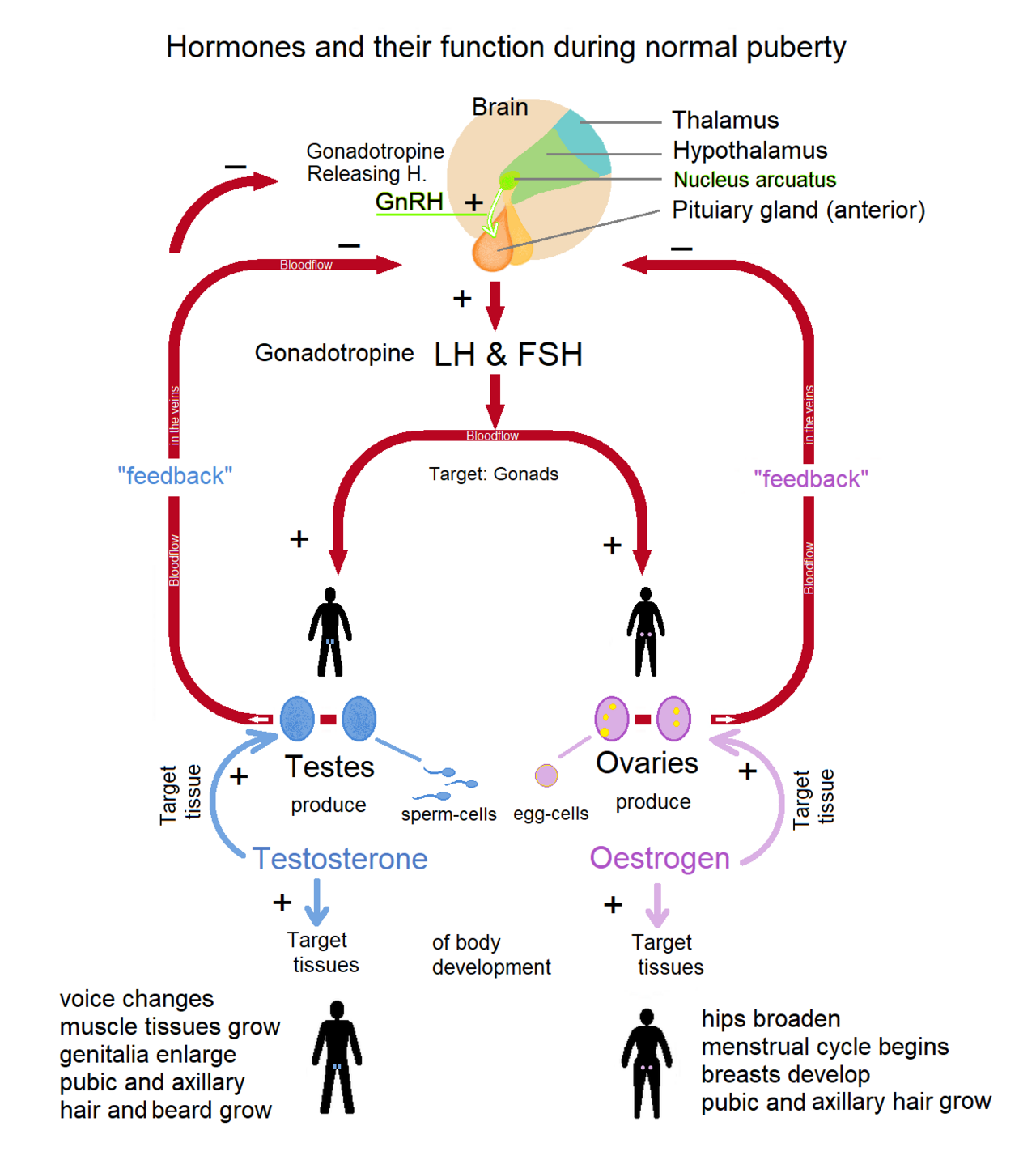
Build a cleaner monitoring plan
Before buying, write down the symptom you want to improve and check for sleep loss, depression, medication effects, alcohol, weight change, diabetes, and vascular causes. If low testosterone is suspected, ask about morning testing and repeat confirmation rather than using a supplement response as a diagnosis.
Bring the complete label to the visit, especially with thyroid, liver, autoimmune, sedative, blood-sugar, or blood-pressure concerns. Keep scheduled PSA or prostate follow-up unchanged. A careful plan leaves room to consider an ashwagandha product while refusing the much larger claim that a small trial signal proves whole-product effectiveness or prostate safety.
Safety reports deserve the same attention as hormone graphs
Ashwagandha is often tolerated in short trials, but stomach upset, drowsiness, and rare liver injury reports matter. It may be unsuitable during pregnancy and needs caution with thyroid, diabetes, blood-pressure, sedative, immune-suppressing, and other medicines. A standardized extract does not erase individual risk or guarantee purity across brands.
Choose products with transparent labels and credible quality testing, then set a review point. If symptoms do not improve, continuing because a theoretical testosterone pathway sounds persuasive is not a good monitoring plan. If symptoms worsen or jaundice, dark urine, severe fatigue, or abdominal pain appears, stop the product and seek medical advice. Report every hormone-oriented supplement before laboratory testing so the clinician can interpret changes with the right timeline.
A measured baseline and a defined follow-up point make the experiment more informative and reduce the temptation to stack several new products at once.