What a prostate support claim does—and does not—tell you
A plain-language guide to the difference between supplement label wording, product quality, and proven clinical benefit.
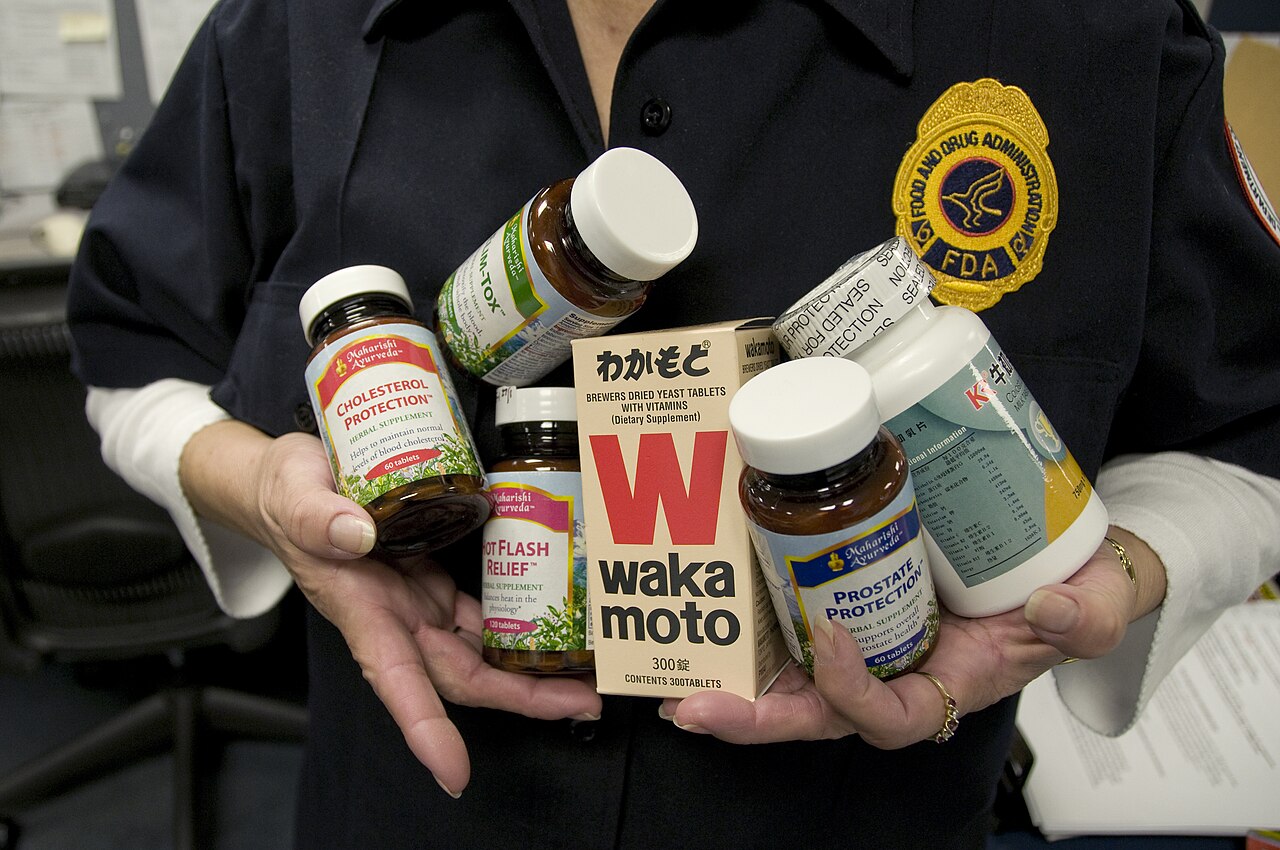
A prostate support label is a claim to examine, not proof that FDA verified the product’s effectiveness.
The wording can sound more precise than it is
A supplement bottle may promise prostate support, urinary wellness, or healthy aging. These phrases sound relevant to a reader with a specific concern, but their breadth is part of the challenge. They may not identify a measurable change or explain which problem the product is supposed to address.
FDA distinguishes structure and function claims from other types of label statements. Such claims are not preapproved by the agency. That regulatory fact does not prove a product is useless, but it does mean the existence of the wording is not evidence that FDA has confirmed its benefit. The statement still needs to be evaluated on its merits.
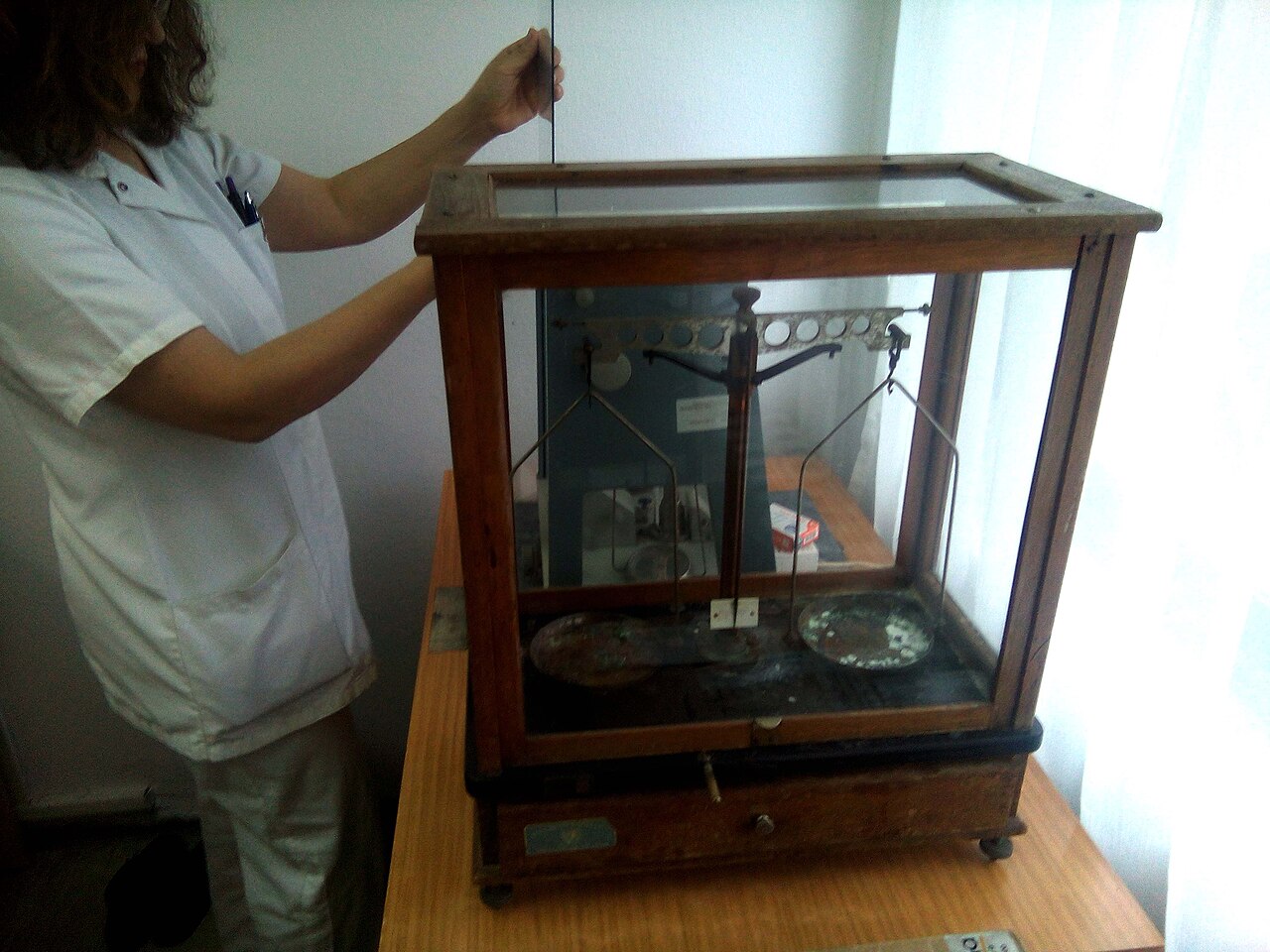
Translate the promise into an outcome
Imagine replacing support with a question a study could answer. Did the product improve a validated urinary symptom score? Did it reduce nighttime awakenings? Was it tested for a disease outcome? A claim that remains impossible to translate into an outcome is difficult to judge because almost any experience can be interpreted as success.
That exercise also reveals when a seller shifts between outcomes. An ingredient might have been studied for a blood marker while the product is promoted with language suggesting easier urination. The same organ can be involved in both stories without making the results interchangeable. An evidence-based comparison starts by keeping the intended outcome fixed.
Follow the citation to the tested product
Citations are useful only when they can be traced. Look for a named study, accessible publication, and clear description of what participants received. A reference to clinical research may concern a different extract, a single ingredient, or a prescription medicine included alongside supplements. None automatically validates the bottle being sold.
Check whether the formula and amount match the research, and whether the participants resemble the intended users. A difference does not always make a finding irrelevant, but it should make the claim less certain. The purpose of this comparison is not to become a research specialist. It is to avoid giving a commercial label more precision than its supporting evidence actually has.
Quality and effectiveness answer separate questions
Manufacturing quality matters. So do identity, purity, and accurate labeling. But a product can meet a quality standard while lacking convincing evidence that it helps the advertised problem. A laboratory check of capsule contents is not the same as a trial of urinary symptoms.
Conversely, a favorable ingredient study does not confirm the contents of every commercial product containing that ingredient. Keep the two assessments alongside one another: what is in the bottle, and what happens when an appropriate person uses that preparation? Blending these questions into a single word such as trusted can obscure which one has actually been answered.

Do not let a label become a diagnosis
Urinary symptoms are not a reliable way to diagnose their cause without appropriate evaluation. NIDDK explains that assessment of an enlarged prostate includes medical history and other clinical information. A product aisle cannot provide that assessment, even if the packaging appears to describe a familiar experience.
A useful next step is to bring the label and a description of the concern to a qualified health professional. Ask whether the claim corresponds to the actual problem and whether the evidence is relevant. A supplement label can be one item in that discussion. It should not become the source of the diagnosis, the substitute for assessment, or the reason to postpone care while waiting for an undefined promise to work.
Treat disclaimers as context, not reassurance
The presence of a regulatory disclaimer does not mean that every neighboring sentence has been verified by a clinical trial. It provides context about the category of claim being made. Readers still need a traceable evidence trail and an understandable explanation of uncertainty. Likewise, a professional photograph or scientific-looking chart does not add evidence. These design elements can make information easier to read, but the substantiation must come from the underlying research and its relevance to the actual formula.
Sources & further reading
This article provides educational information. Ask a qualified clinician or pharmacist about your symptoms, medical conditions, medicines and supplement interactions.