Myogentra Review for Mature Men: Botanical Variety and a Convenient Wellness Routine
Review Myogentra’s men’s wellness formula, saw palmetto context, botanical research, serving details, and current buying options.
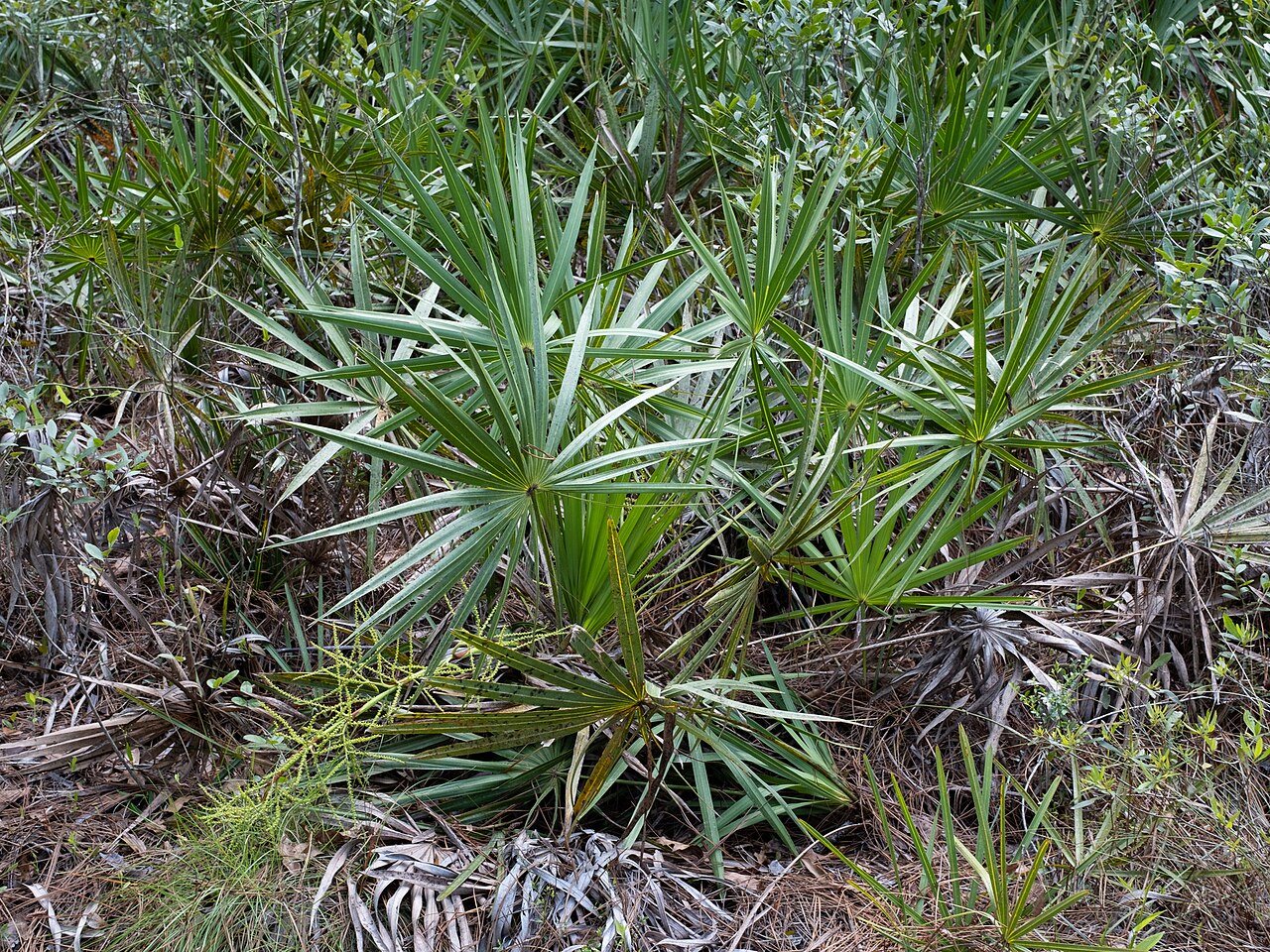
Myogentra offers a convenient broad men’s wellness blend; saw palmetto’s presence does not establish urinary or prostate benefits from this finished formula.
A men’s wellness product with a broad ingredient profile
Men shopping for a supplement later in life may be looking for several things at once: a manageable daily habit, an understandable label, and ingredients they recognize from discussions of vitality and healthy aging. Myogentra addresses the first of those priorities with a single-capsule serving. Its formula combines botanical extracts with small, separately quantified amounts of magnesium, zinc, and vitamin B6, offering a consolidated option for men who prefer not to manage multiple products.
For Prostate Health Digest readers, the relevant distinction is between a general men's wellness formula and a product proven to improve urinary symptoms. Myogentra includes saw palmetto within a larger blend, but its main marketing centers on vitality and testosterone support. Its appeal is therefore best considered through that broader lens. This review explains what the current label shows, why the ingredient research is interesting, and which questions remain important when a man already has a prostate-related diagnosis or an established care plan.
Start with the product’s intended role
A supplement purchase is easier to assess when the intended purpose is clear. Someone may want a compact botanical and mineral routine to complement an active lifestyle. Another person may be trying to address frequent nighttime urination, weak flow, or a new change in urinary habits. Those are different goals, and the same ingredient list cannot be assumed to answer both. Myogentra's broad men's wellness positioning is a tangible product proposition; treatment of a urinary condition would require appropriate evidence for that specific use.
The reviewed materials did not establish such evidence for the finished Myogentra capsule. This does not mean there is no reason to consider its convenient format or familiar botanicals. It means the buying decision should not depend on an unverified promise of prostate shrinkage or urinary relief. A man can appreciate the product's daily simplicity while keeping his prostate assessment and any prescribed treatment grounded in the information relevant to his condition.
What the current serving provides
The official Supplement Facts image identifies one capsule as a serving and 30 servings per container. It lists fenugreek extract at 150 milligrams, long jack extract at 135.50 milligrams, and KSM-66 ashwagandha root at 75 milligrams. Magnesium is supplied at 41.50 milligrams, zinc at 7.50 milligrams, and vitamin B6 at 2.50 milligrams. These numbers help make the formula more concrete and allow a customer to compare its contributions with other products already being taken.
A separate 325-milligram combined blend contains saw palmetto along with arginine, tribulus, horny goat weed, tongkat ali, maca, citrulline, Butea superba, muira puama, damiana, Xanthoparmelia, and rhodiola. The amount of saw palmetto itself is not disclosed. Nor does the reviewed label establish that it uses the same preparation studied in a particular prostate trial. A named botanical in a blend therefore offers identity information, but not enough information to predict its clinical effect.
Saw palmetto deserves a precise interpretation
Saw palmetto is strongly associated with the prostate supplement category, which makes it a natural ingredient for readers to notice. A well-known randomized trial by Bent and colleagues studied a specific saw palmetto extract in men with benign prostatic hyperplasia. Participants received 160 milligrams twice daily or placebo for a year. The study did not find material advantages for the extract in its principal urinary and prostate-related outcomes.
That trial is important because reputation and traditional use are not the same as a demonstrated benefit in a controlled comparison. It also does not directly test Myogentra, whose saw palmetto quantity and extract characteristics are not separately disclosed. The fair conclusion is limited and useful: the presence of saw palmetto does not establish that this capsule treats urinary symptoms. Myogentra can instead be considered on the basis of its complete formula, convenience, and men's wellness positioning, with the urinary question kept separate.
Why men may still find the botanical combination appealing
The formula includes several ingredients that have been explored for other aspects of men's well-being. Fenugreek has been studied in trials involving hormonal and sexual-function outcomes. Long jack has also been evaluated in men using particular standardized preparations. Ashwagandha research includes studies of stress, training, and selected hormone measurements. Together, these ingredients give the product a recognizable research background and a broader identity than a single-purpose prostate supplement.
The limits are equally relevant. Each study used its own preparation, serving amount, participants, and outcome measures. A positive finding for one extract does not establish that combining several ingredients necessarily produces a larger benefit. Myogentra's appeal can reasonably include the convenience of that combination, but synergy should not be presented as proven without a trial of the formula itself. For buyers, a well-defined routine is a better starting point than assuming every botanical name adds a predictable increment of efficacy.
Fenugreek evidence in the right setting
Rao and colleagues studied Testofen, a specific fenugreek preparation, at 600 milligrams daily for 12 weeks in men aged 43 to 70. The trial examined outcomes relevant to male hormonal and sexual well-being. This is useful background for understanding why fenugreek appears in a men's supplement. It provides a human research example with a stated dose and population rather than only a general biological explanation.
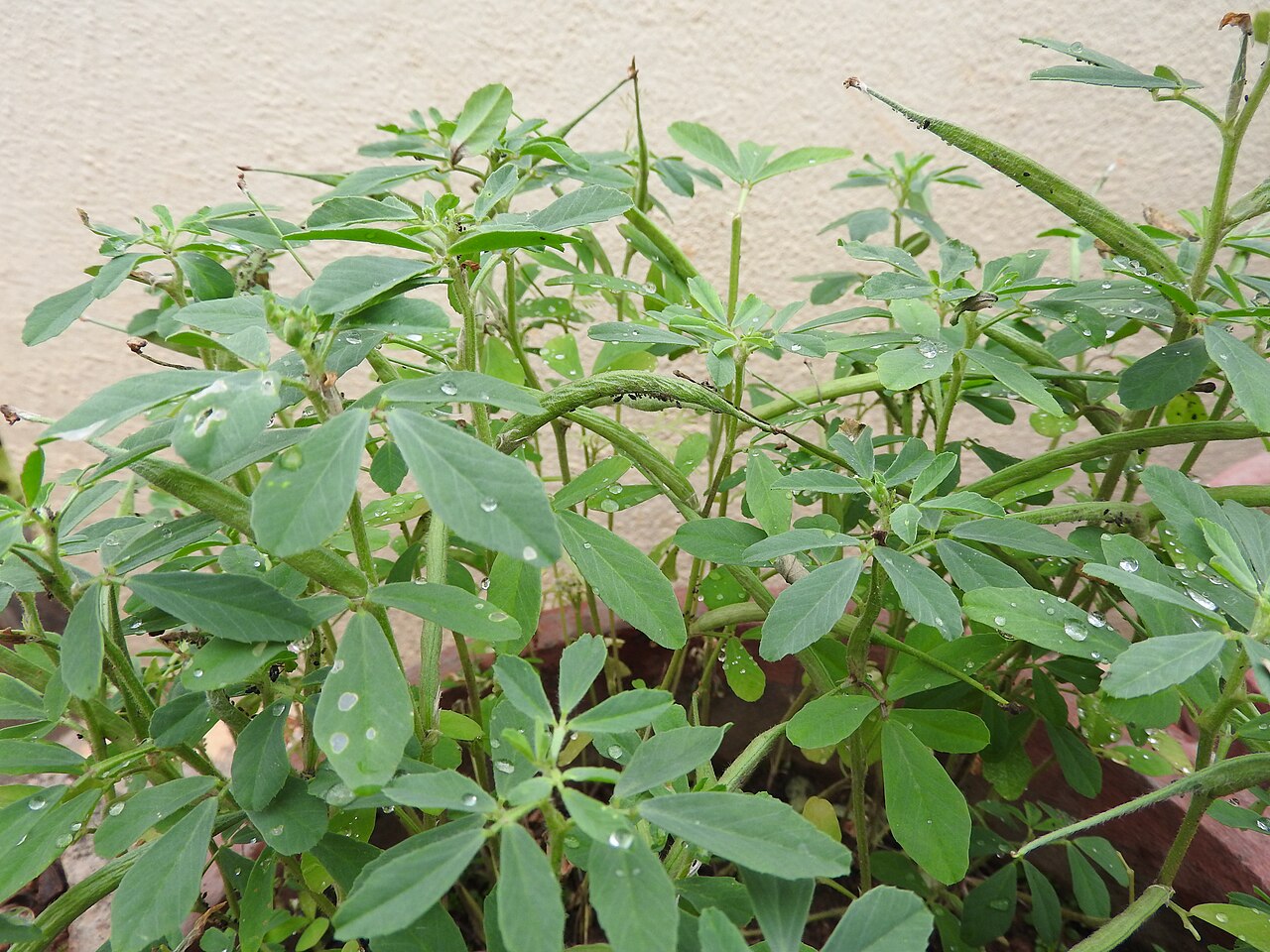
Myogentra's posted serving lists 150 milligrams of fenugreek extract standardized to 50 percent fenusides. That differs from simply reproducing the study intervention. The trial also did not demonstrate a prostate benefit from Myogentra or establish an effect on urinary flow. Men comparing products can use the study to ask better questions about extract identity and dosage. The correct connection is interest in a researched ingredient, with the product-specific outcome remaining a separate question.
Ashwagandha and the everyday wellness angle
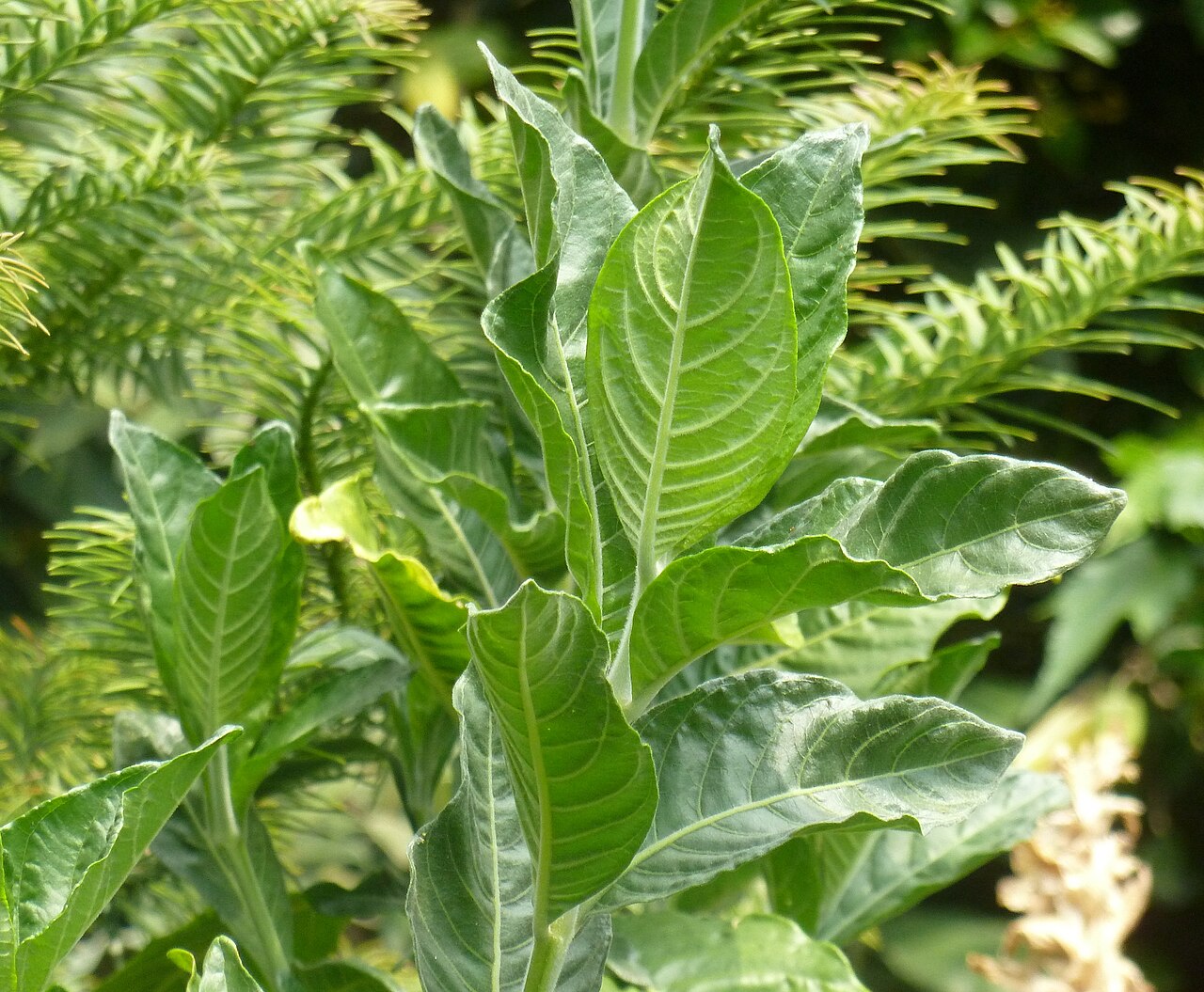
A randomized trial by Lopresti and colleagues investigated an ashwagandha preparation in overweight men aged 40 to 70 with mild fatigue. Certain hormone measurements changed, while clear between-group advantages were not demonstrated across the reported vitality and mood measures. The studied extract differed from the 75-milligram KSM-66 quantity listed for Myogentra. This makes the study relevant background, but not a forecast of what a particular purchaser will feel.
That distinction is useful for mature men because energy, sleep, physical capacity, and mood can have multiple influences. A botanical supplement may be attractive as an organized daily habit, but it cannot identify why someone feels fatigued. The product should therefore be judged without assuming that a change in a laboratory marker guarantees a noticeable improvement in daily functioning. Its strongest immediate feature remains the practical one: a compact combination of ingredients in a clearly defined serving format.
Testosterone positioning and prostate care require context
The company advertises testosterone-related benefits, including a numerical free-testosterone claim. Those are company claims rather than established results for the finished formula in this review. A matching controlled trial demonstrating the advertised result from Myogentra was not located in the reviewed materials. The same applies to the company's strong absorption language. A defined comparator and appropriate human measurements would be needed to verify an uptake multiple.
For men with hormone-sensitive prostate cancer or other relevant clinical circumstances, that marketing positioning is a reason to discuss the actual formula with their care team before use. NIH guidance on ashwagandha specifically identifies circumstances in which it may be unsuitable, including hormone-sensitive prostate cancer. This is a targeted suitability point, not a reason to characterize all men's supplements in the same way. The appropriate decision depends on the individual condition, current treatment, and supplied product label.
Minerals make label comparison easier
Myogentra lists zinc as zinc oxide, magnesium as magnesium oxide, and vitamin B6 as pyridoxine hydrochloride. Those details are helpful for a customer who already uses a multivitamin or a separate mineral product. Reviewing all the labels together can reveal overlaps and make the total routine easier to understand. It also helps prevent an assumption that more bottles necessarily mean a more complete nutritional plan.
The presence of zinc should not be translated automatically into a prostate-protection claim. Likewise, a mineral's normal physiological role does not mean that additional intake creates a benefit in every person regardless of nutritional status. The positive feature is the ability to see quantified contributions and decide whether they belong in the existing routine. A capsule is a supplement to that routine; it does not replace meals, supply a complete diet, or establish that a particular prostate outcome will improve.
A daily format suited to an organized routine
One capsule per serving is a practical advantage for people who prefer a simple plan. There is no powder to measure and no beverage to prepare. A 30-serving bottle gives a straightforward estimate of how long the supply will last when the posted directions are followed. For someone already managing multiple daily tasks, that degree of simplicity can be a meaningful part of the product's value.
A longer supply should be viewed as a purchasing arrangement rather than a clinical protocol. The fact that a bundle contains 60 or 90 days of capsules does not establish when a vitality benefit should begin, nor does it validate the company's absorption comparisons. Following the actual directions and maintaining a clear record of the products being used makes the routine easier to discuss at appointments. It also keeps the decision focused on the supplied capsule rather than a self-designed higher dose.
Confirming the supplied capsule ingredients
The reviewed shop includes vegan-friendly and no-dye descriptions, while its visible label image lists gelatin and several color additives. These statements should not be silently combined into a claim that the product is vegan or dye-free. A buyer with those preferences can ask for a photograph of the current bottle and confirm exactly what will be shipped. That is particularly relevant when the capsule format is a major reason for choosing the product.
The same confirmation is useful for anyone reviewing ingredients because of allergies, medication use, thyroid disease, autoimmune conditions, or liver concerns. The NIH's ashwagandha information provides relevant context for several of these situations. A concise review of the actual label is more informative than assuming all botanical blends are interchangeable. It helps a customer decide whether Myogentra's convenience is a good match for their own circumstances before committing to multiple bottles.
Evaluating current bundle value
The supply cards reviewed show one 30-day bottle for $79.95, two bottles for $139.95, and three bottles for $179.95. On that presentation, the approximate cost per bottle decreases from $79.95 to $69.98 and then $59.98. Buyers considering the formula for a longer routine can use those figures to compare the available quantities in a concrete way.
A separate one-time-purchase button shows $99.95, however, and the terms describe subscriptions for customers who enroll. The final selected purchase type and checkout amount therefore deserve attention. A customer should know the actual quantity, any recurring arrangement, and the total cost before placing an order. A lower unit price can be appealing, but the right bundle also depends on how much product someone wants before confirming suitability. There is no need to let a larger supply imply a stronger evidence base or a guaranteed outcome.
Getting clarity on the satisfaction policy
The shop's satisfaction language refers to 30 days, while the reviewed terms and return policy refer to 90 days. This difference should be resolved for the selected order, especially if the guarantee materially influences the purchase. The policy also describes contacting support before returning products and generally places return postage on the buyer unless the seller made an error. Shipping charges are not refunded under the described policy.
The useful approach is to confirm the eligible return window, which bottles qualify, and how the request process works. That turns a reassuring headline into a practical purchasing term. It also prevents a customer from assuming every cost will be refunded automatically. Myogentra's bundle structure can still be attractive, but its value is easier to assess when the applicable price and satisfaction terms are clear enough to compare with other choices.
An informed role in a mature man’s wellness routine
Myogentra offers a broad ingredient profile in a convenient daily capsule, with several individually quantified botanicals and nutrients. That can appeal to mature men who want a consolidated men's wellness supplement and appreciate a familiar ingredient story. The research behind fenugreek and ashwagandha gives useful topics to examine, while the current supply options provide a basis for comparing the cost of the routine.
For readers focused on prostate health, the key is to preserve the distinction between that general wellness proposition and a demonstrated treatment for urinary symptoms. Saw palmetto appears within a blend of undisclosed individual amounts, and the reviewed evidence does not establish prostate benefits from the finished product. Confirming the actual label, personal fit, and final order terms allows the buyer to consider Myogentra positively for what it offers: daily convenience and botanical variety, with prostate-specific care addressed through the appropriate individual assessment.
Sources & further reading
- Myogentra official product page ↗
- Myogentra official Supplement Facts image ↗
- Bent et al.: Saw palmetto randomized trial ↗
- Rao et al.: Testofen randomized trial ↗
- Lopresti et al.: Ashwagandha hormonal and vitality trial ↗
- NCCIH: Ashwagandha ↗
- Baseline-Men terms and conditions ↗
- Baseline-Men return policy ↗
This article provides educational information. Ask a qualified clinician or pharmacist about your symptoms, medical conditions, medicines and supplement interactions.