Biotin supplements and PSA tests: why the assay platform determines interference
High-dose biotin can distort some PSA immunoassays, while newer platforms may resist interference; disclose use before testing.

Biotin does not change the prostate itself, but it can alter some laboratory measurements depending on dose, timing and assay design.
The supplement can affect the test rather than the body
Biotin is included in hair, skin and nail products at doses far above ordinary nutritional requirements. Some laboratory immunoassays use biotin-streptavidin chemistry to capture or detect the substance being measured. Circulating biotin can disrupt that design and produce a result that is falsely high or falsely low.
This is analytical interference, not a biological change in PSA. The prostate may be unchanged while the reported number moves.
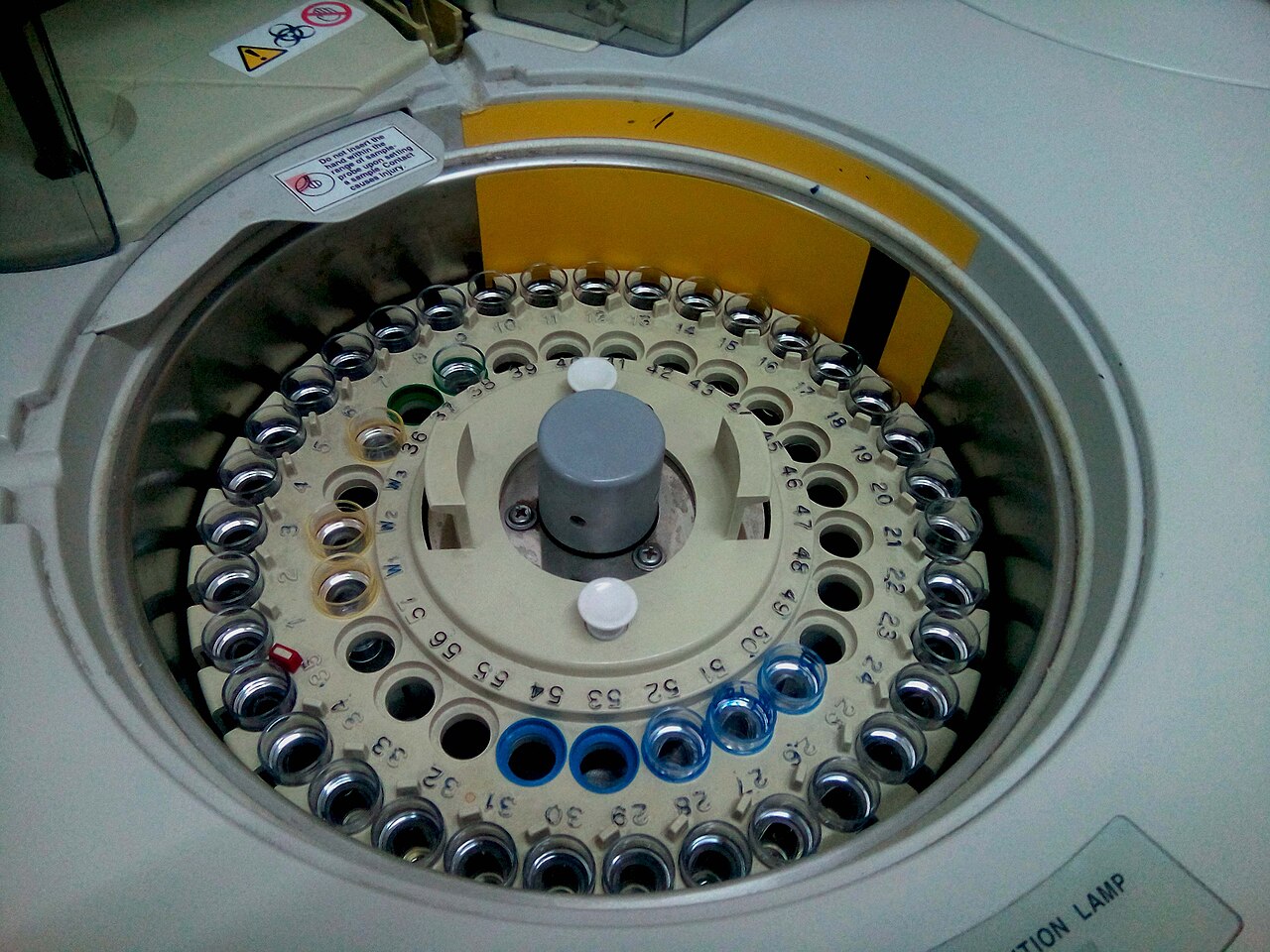
PSA susceptibility depends on the platform
A study assessing samples for troponin, thyroid-stimulating hormone and PSA found that interference risk depended on circulating biotin concentration and the Roche Cobas assay used. In that sample set, concentrations above the stated threshold were uncommon, so population risk appeared low.
Low average risk does not mean no individual risk. Supplement dose, time since ingestion, kidney function and the laboratory platform all influence exposure and susceptibility.
A controlled ingestion study found assay-specific effects
Six healthy adults took 10 milligrams of biotin daily for one week while investigators tested 37 assays, including PSA. Potentially important interference occurred in some biotin-based assays but not all. The small study was not designed to estimate how often clinical errors occur.
Its main lesson is that the same blood sample can behave differently across manufacturers. Universal claims that biotin always or never affects PSA are both too broad.
Newer assays may reduce the problem
A technical study found a reformulated total and free PSA assay was largely resistant to biotin interference. FDA has also encouraged manufacturers to test and label interference for in vitro diagnostic devices.
Improved technology does not let patients guess which platform their laboratory uses. Disclosure remains the safest first step.
A case report shows why discordant results need investigation
A 2024 case report described biotin interference with PSA assays. Case reports cannot determine prevalence, but they illustrate how an unexpected value can conflict with the clinical picture or another method.
When a result seems implausible, the clinician and laboratory can review supplements, repeat testing after an appropriate interval or use an alternate assay. Patients should not improvise a washout period without guidance because dose and assay matter.

Bring every supplement to the laboratory conversation
Tell the ordering clinician and laboratory about biotin-containing multivitamins, hair products and energy formulas, including the dose and last use. Do not stop a medically prescribed high-dose therapy without speaking to the prescriber.
A PSA result should be interpreted with prostate history, medicines, infection, procedures and assay context. Biotin is a reminder that supplements can change information used for care even when they do not produce a symptom.
The direction of error can be clinically important
Many PSA assays use a sandwich format in which excess biotin can produce a falsely low result, although the exact behavior is platform-specific. A falsely low PSA could delay investigation or make a post-treatment trend look more reassuring than it is. Other immunoassays may move in the opposite direction. This is why memorizing one rule about biotin is less reliable than telling the laboratory what was taken.
Hair and nail supplements commonly contain five or ten milligrams of biotin, thousands of times the adult daily requirement measured in micrograms. The front label may say beauty complex rather than biotin, so the Supplement Facts panel must be checked. Energy products, multivitamins and compounded therapies can add further sources. The relevant disclosure includes the dose, frequency and last ingestion. A clinician or laboratory can then use manufacturer information and the clinical situation to decide whether repeat or alternate testing is appropriate.
Do not interpret one corrected result in isolation
If repeat testing on a different platform produces a different PSA, the clinician still needs the full trend, prostate history and timing. An interference explanation can resolve a laboratory discrepancy, but it does not decide whether biopsy, imaging or surveillance is appropriate. The corrected value belongs back in the ordinary clinical pathway. Biotin awareness improves the reliability of information; it is not a method for choosing the most reassuring number.
Sources & further reading
- Association of biotin ingestion with performance of hormone and nonhormone assays in healthy adults ↗
- Assessment of biotin interference risk in samples for PSA and other immunoassays ↗
- Biotin supplements interfering with PSA assays: a cautionary case ↗
- FDA guidance: testing for biotin interference in in vitro diagnostic devices ↗
This article provides educational information. Ask a qualified clinician or pharmacist about your symptoms, medical conditions, medicines and supplement interactions.