Low Testosterone: Why Testing Comes Before Supplements
Fatigue, low libido and weaker workouts do not diagnose low testosterone. Learn what repeat testing and major trials mean before buying a booster.
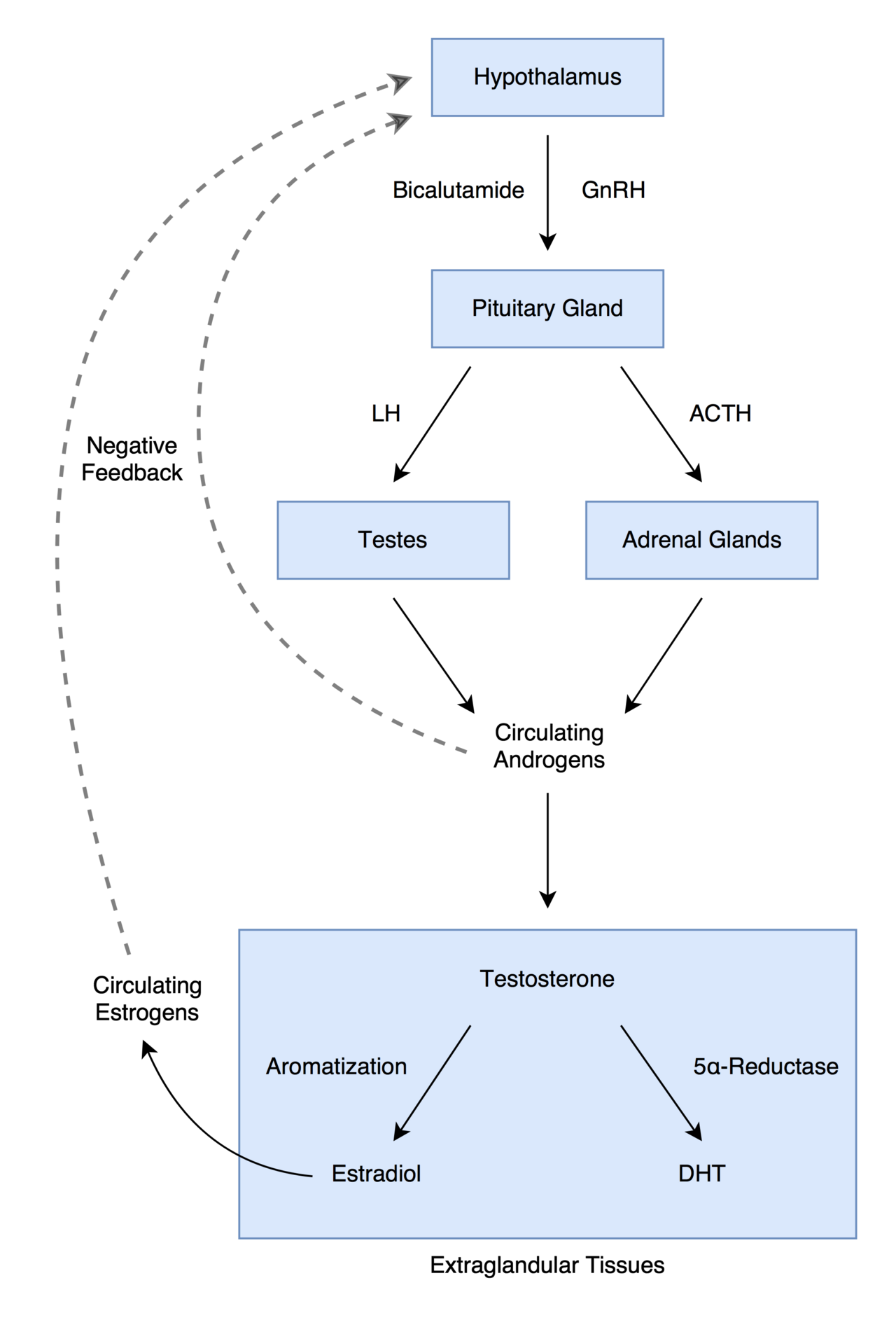
Symptoms alone cannot diagnose low testosterone; properly timed repeat testing and a clinical evaluation should come before a booster or prescription discussion.
A number is useful only in context
Low energy, reduced desire and slower gym progress are real concerns, but none is specific to testosterone deficiency. Sleep loss, depression, vascular disease, calorie restriction, medicines and prostate-cancer treatment can look similar. Testing first can prevent a long supplement experiment aimed at the wrong cause.
Myogentra is positioned as a testosterone-support and men's-vitality supplement in a one-capsule format. It can be compared as a wellness product, but it does not diagnose hypogonadism, replace properly prescribed testosterone or establish that its finished formula raises testosterone in men with symptoms.
Diagnosis usually needs repeat morning results
Testosterone varies by time of day, illness, sleep and laboratory method. Major guidelines generally pair compatible symptoms with consistently low morning testosterone measured on more than one occasion. Clinicians may then check other hormones or conditions to distinguish a testicular problem from pituitary, medication or systemic causes.
That process is more useful than ordering a broad direct-to-consumer panel and chasing every flagged value. A result near a cutoff may need interpretation with sex hormone-binding globulin, age, health status and the laboratory's validated method.
The Testosterone Trials clarify realistic benefits
The coordinated Testosterone Trials enrolled 788 men age 65 or older with symptoms and repeatedly low testosterone. One year of testosterone gel produced a moderate sexual-function benefit and some mood benefit, but did not meet the primary vitality or walking-distance outcomes. This was prescription treatment with monitoring, not a supplement test.
A sexual-function analysis found that improvements tracked with rises in testosterone and estradiol, without a clear response threshold. The result supports targeted expectations: even confirmed low testosterone does not make every symptom hormone-responsive.

Prescription therapy and boosters are different
The testosterone therapy and prostate safety guide reviews the large TRAVERSE safety trial and its limits. That evidence cannot validate an herbal booster, just as an ingredient study cannot establish a finished blend. Supplements may contain nutrients or botanicals with different doses, preparations and outcome evidence.
The ashwagandha testosterone booster guide shows how a botanical signal should be kept separate from TRT. Men with prostate cancer, high PSA under evaluation, severe urinary symptoms, fertility goals or certain cardiovascular and blood conditions need an individualized conversation before altering hormone-related products.
Buy information before buying a bottle
Ask for the exact reason each test is ordered, whether it should be repeated and what a low result would change. Review sleep, weight change, alcohol, medicines and mood. If sexual symptoms dominate, cardiovascular and relationship factors may deserve as much attention as hormones.
If you still compare supplements, read the complete label, count overlapping zinc and vitamin B6, and look for trials of the finished product. The multivitamin-plus-prostate-blend guide can help identify duplication across a daily routine. A clear diagnosis and realistic goal are more valuable than a front-label promise to “optimize” a number.
The time of testing is not a small detail. Shift work, short sleep, acute illness and recent heavy training can influence results, and a single low value may not represent the usual baseline. Ask the ordering clinician when to draw the sample and whether to postpone testing during illness. Repeat testing should use a reliable laboratory and a clearly documented time.
Fertility goals must be raised before prescription testosterone because external testosterone can suppress sperm production. Supplements are not automatically fertility-safe either, especially when labels are incomplete or products contain undeclared drugs. The evaluation should match the goal: sexual function, fertility, muscle loss and fatigue may require different tests and different treatments.
PSA and prostate history may be part of a prescription-treatment discussion, but testing practices vary by age and individual risk. Bring prior results instead of relying on memory whenever possible. The goal for you is a shared baseline that makes later changes interpretable, not a single number used to approve every hormone-related product.