Soy for ADT Hot Flashes: Why the Trial Came Up Short
A randomized prostate-cancer trial found soy protein did not reduce hot flashes during androgen-deprivation therapy. Learn what to ask instead.
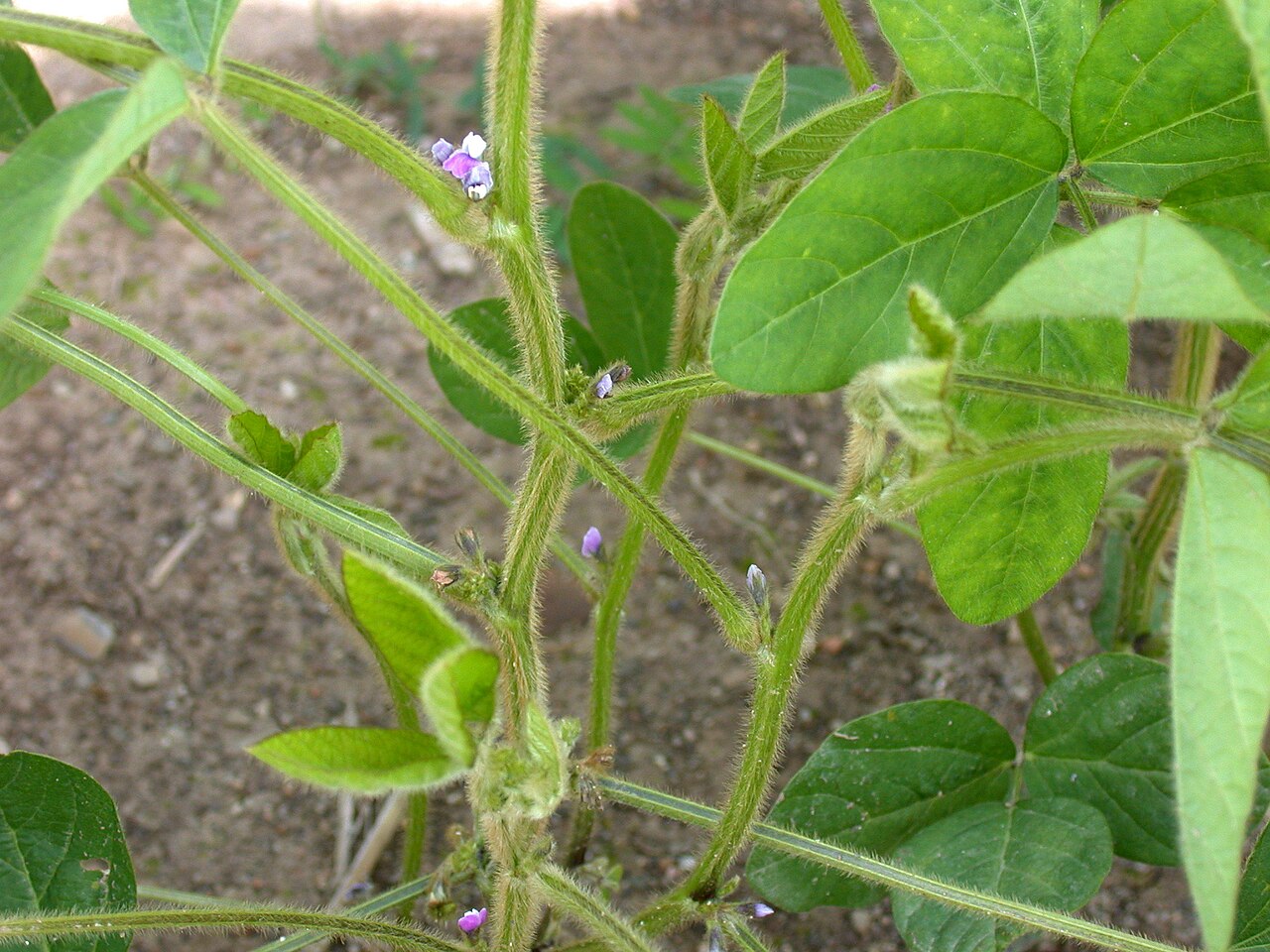
Soy protein and high-dose isoflavones have not shown reliable hot-flash relief in randomized trials of men receiving ADT.
Relief matters, but the shortcut did not work
Hot flashes can interrupt sleep, work and ordinary conversation for men receiving androgen-deprivation therapy. Soy seemed attractive because isoflavones can interact with estrogen pathways. The benefit-led answer from the largest direct trial, however, is simple: soy protein did not meaningfully reduce hot-flash severity in androgen-deprived men.
That finding does not turn soy foods into a problem. It separates a normal food choice from a concentrated symptom-treatment claim, much as the earlier soy isoflavone supplements and prostate cancer guide separates dietary patterns from proof that a capsule prevents cancer.
The 120-man trial tested a direct outcome
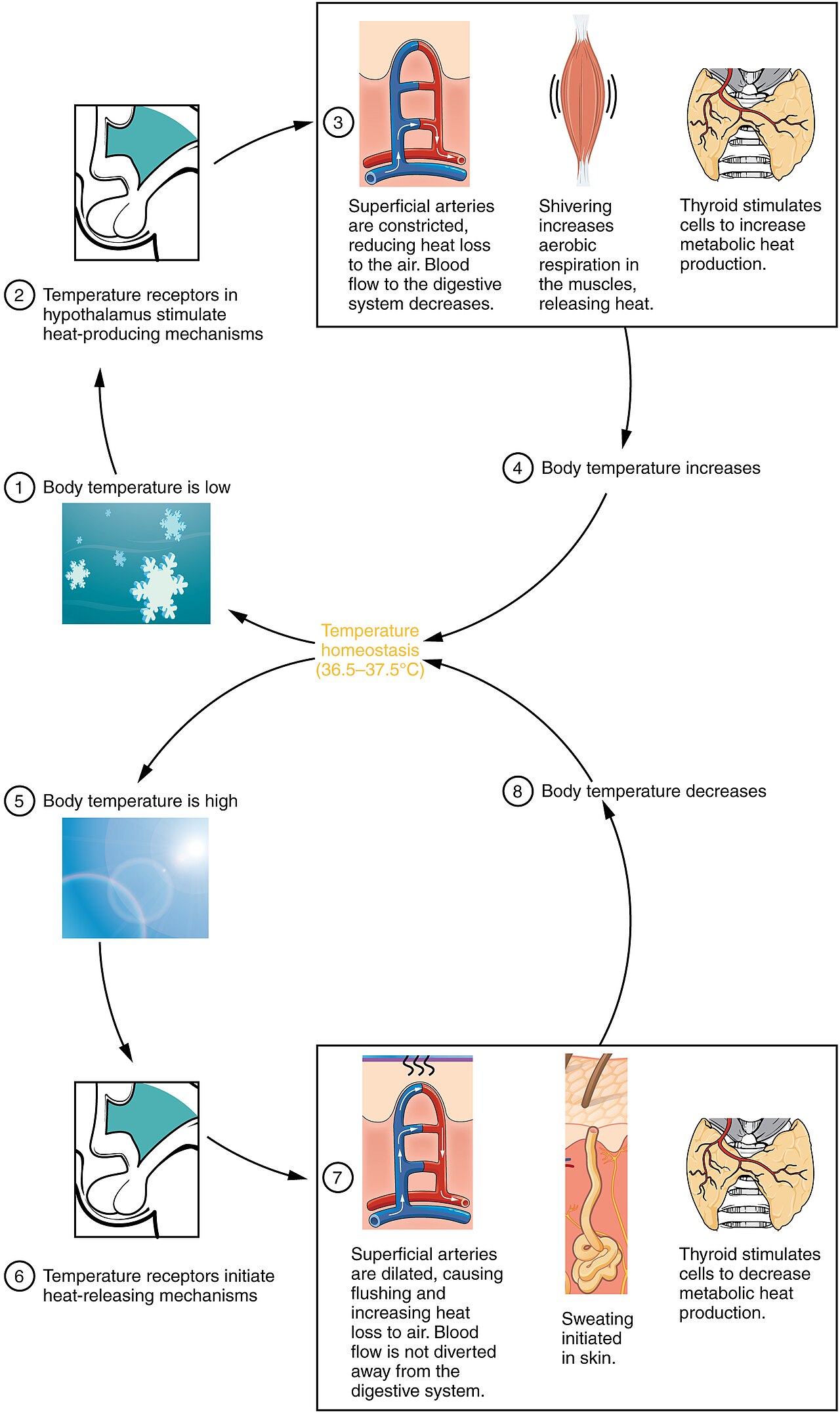
Researchers randomized 120 men to soy or milk protein and venlafaxine or placebo in a 2-by-2 design for 12 weeks. The main outcome combined hot-flash frequency and severity. Neither soy nor venlafaxine significantly improved that score, alone or together, although soy improved some quality-of-life measures.
A quality-of-life signal can matter without overturning the primary result. The study does not prove that every soy food is useless or that every man will respond identically. It does show that the tested soy-protein strategy should not be sold as a reliable hot-flash remedy.
High-dose isoflavones also disappointed
A smaller randomized pilot assigned 33 men on ADT to soy protein containing 160 milligrams of total isoflavones or a milk-protein placebo for 12 weeks. It did not find a clear benefit for treatment side effects. A companion report found no improvement in metabolic or inflammatory measures.
The dose and preparation matter, yet two negative direct tests deserve more weight than a mechanism. As the calcium supplement evidence also shows, nutrient biology does not establish a treatment result. Plausibility is the start of a trial, not its conclusion.
Keep supportive care and cancer treatment separate
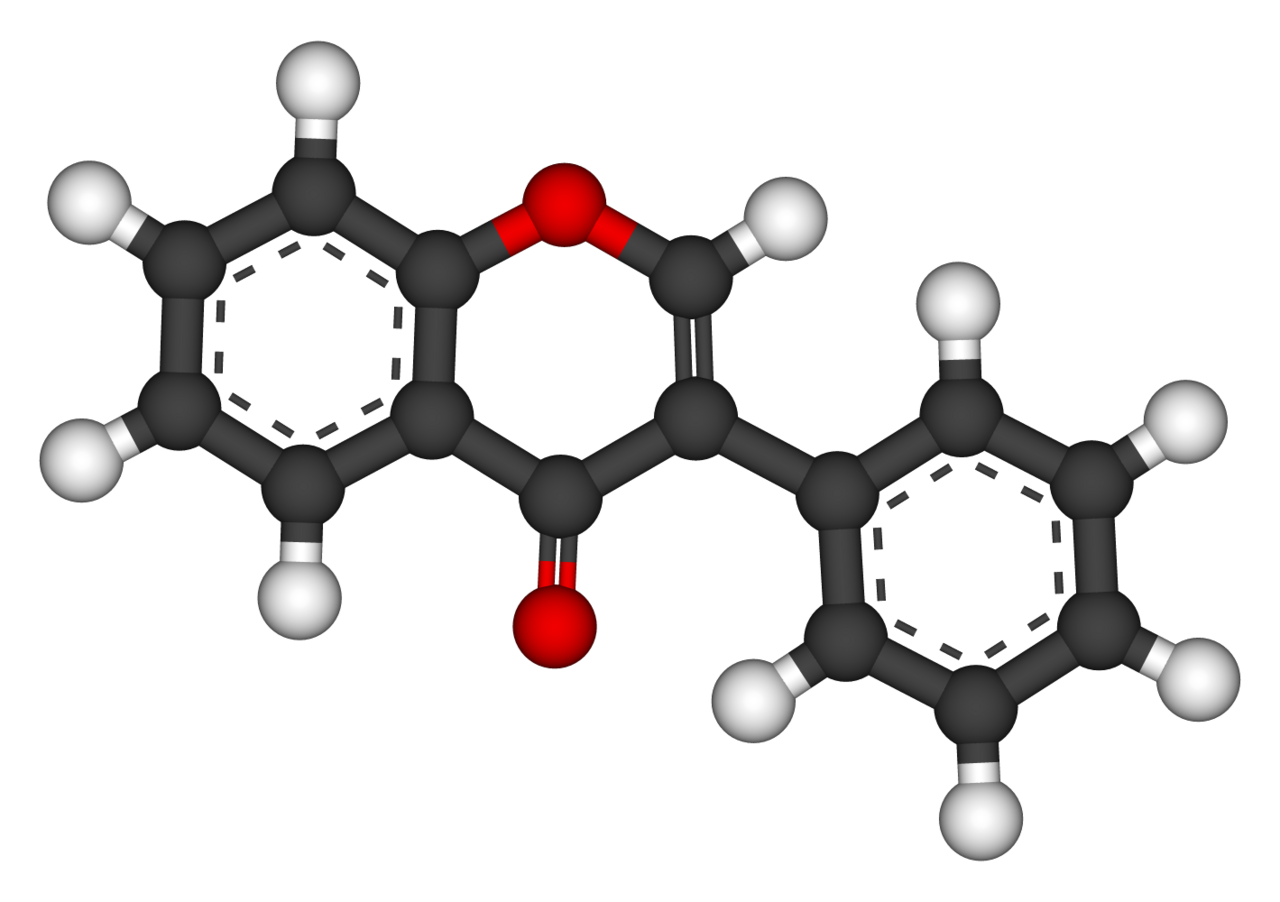
Hot-flash management should not be confused with controlling prostate cancer. The melatonin during androgen-deprivation therapy guide makes the same distinction for sleep: supportive care can be valuable while remaining separate from the therapy's anticancer purpose.
Tell the oncology team how often flashes occur, how severe they feel and whether they wake you. Other options may include behavioral measures or prescription medicines, each with its own evidence and trade-offs. A 2026 randomized trial also adds evidence for self-help cognitive behavioral therapy, but its newness and specific program deserve a separate discussion rather than a supplement shortcut.
Make the next conversation more useful
For one week, record timing, triggers, sleep disruption and any new supplement. Bring the log and full medication list to the next visit. If a symptom begins suddenly with chest pain, fainting, fever or other concerning features, do not assume it is an ordinary hot flash.
Use soy because it fits your diet, not because the prostate trial established symptom relief. The vitamin D and prostate cancer guide offers a related reminder that normal nutrient biology is not symptom or prevention proof. Better relief begins with a measured symptom and an option chosen for that symptom—not a borrowed claim from women's studies.
Hot flashes can also feed a cycle of poor sleep and daytime fatigue. Cooling layers, a fan, paced breathing and limiting a personal trigger may be reasonable low-risk experiments, but record what changes instead of trying several things at once. That makes it easier to see whether a strategy truly reduces frequency, severity or nighttime disruption.
Ask the care team about the options with direct evidence in men on ADT and the side effects that matter for you. Some prescription approaches affect mood, blood pressure, alertness or sexual function. The best choice may be the one that fits other symptoms and medicines, not the option with the most familiar name.
A soy powder can also add calories, protein, sweeteners or other ingredients that matter during treatment. Read the full panel and count the serving in the diet. If the goal is simply adequate protein, many foods can meet that need without attaching an unsupported hot-flash promise.
Sources & further reading
- Venlafaxine and soy protein for hot flashes in men with prostate cancer: randomized trial ↗
- High-dose isoflavones during ADT: randomized placebo-controlled pilot ↗
- High-dose isoflavones and metabolic parameters during ADT: randomized trial ↗
- MANCAN2 self-help CBT for hot flashes during ADT: randomized trial ↗