Milk thistle for prostate cancer: human silibinin trials found limits, not a treatment
Two small prostate trials reached high blood levels with a concentrated milk-thistle preparation, but found low tissue exposure, liver signals, and no proven cancer benefit.
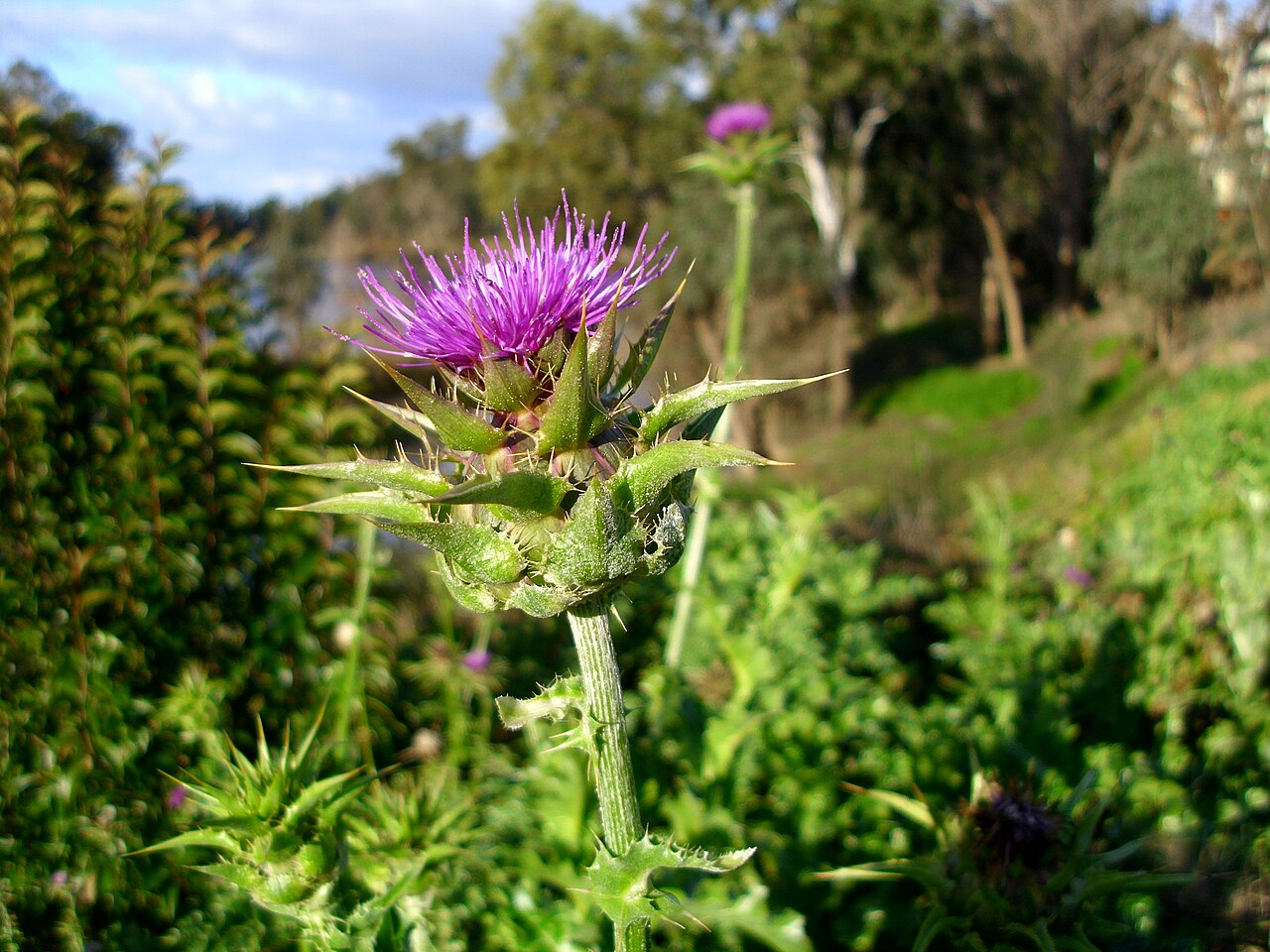
Human studies tested gram-level silybin-phytosome under medical supervision; they did not show that ordinary milk-thistle capsules treat prostate cancer.
The human evidence is more sobering than the lab story
Milk thistle often arrives with a long list of antioxidant and anticancer mechanisms. For prostate cancer, the valuable evidence is narrower: investigators tested a concentrated silybin-phytosome formulation in small clinical studies. Those studies answered questions about dose, blood levels, tissue penetration, and safety—not whether a retail capsule controls cancer.
That is still useful. It shows why a promising cell experiment can struggle to become a treatment. A compound must be absorbed, reach the prostate in adequate amounts, remain there long enough, and improve a meaningful outcome without unacceptable harm. Silibinin’s prostate trials exposed problems along that entire path.
The phase I trial pushed the dose very high
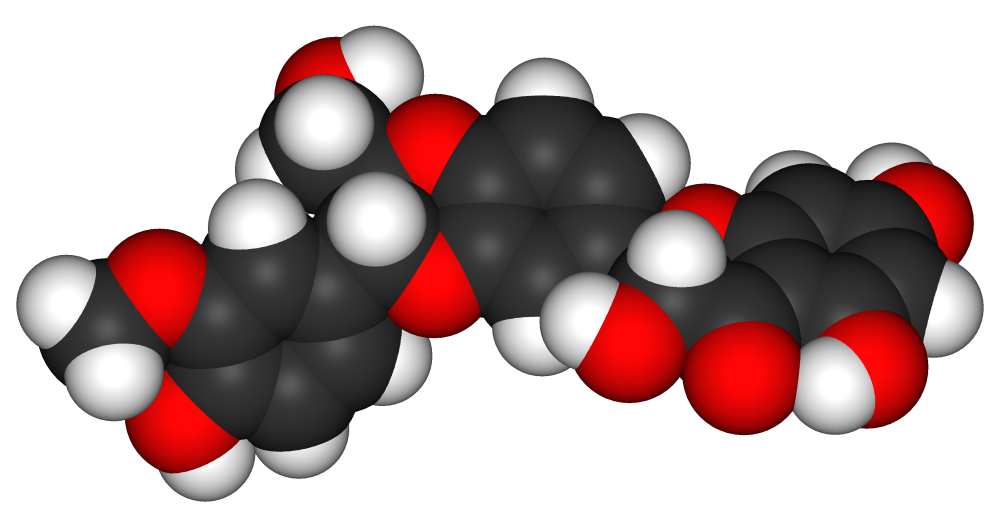
Thirteen men with prostate cancer received 2.5 to 20 grams daily of silybin-phytosome in divided doses. The study recommended 13 grams daily for further research, far beyond the amount implied by an ordinary herb bottle. It observed bilirubin elevations in nine men and one grade 3 elevation in a liver enzyme.
No objective PSA responses occurred. Phase I trials are designed mainly to study safety and dosing, so they are not expected to settle effectiveness. Even so, the absence of a PSA response prevents the study from being presented as proof that milk thistle slowed prostate cancer. The liver findings also argue against copying the dose.
The presurgery study found little in prostate tissue
A later study gave six men 13 grams daily for roughly two to four weeks before prostatectomy, while six men served as controls. Blood levels rose after dosing, but concentrations measured in removed prostate tissue were low. The researchers found no significant change in the tested IGF markers.
One treated participant experienced a grade 4 postoperative thromboembolic event; the small design cannot establish that the supplement caused it. Diarrhea and a transient bilirubin elevation were also reported. The central lesson is pharmacokinetic: high blood exposure did not translate into strong or sustained prostate-tissue exposure.
A milk-thistle label is not the studied intervention
Milk thistle products can contain different extracts, standardizations, and delivery systems. “Silymarin,” “silybin,” and “silibinin” are related terms, but they do not make every capsule equivalent to the phytosome used in these trials. A milligram comparison is incomplete without the actual preparation and absorption profile.
The studies also did not test milk thistle alongside every prostate-cancer drug. Concentrated botanicals can affect drug-metabolizing enzymes or the liver, where many medicines are processed. Anyone receiving cancer therapy should let the oncology team review the exact label before starting or stopping an extract.
What a better decision looks like
Do not use milk thistle to replace surgery, radiation, hormone therapy, active-surveillance visits, or evidence-based systemic treatment. If you are interested in it for another reason, ask what outcome you expect, whether the product matches any human study, and how liver tests and medicines affect the plan.
The honest prostate conclusion is compact: laboratory interest led to human research, but the human research did not demonstrate a treatment benefit. It found dose and delivery limits that marketing summaries often omit. That makes the trials valuable—not as an endorsement, but as a guide to what remains unproven.
Why ordinary-dose claims still need their own evidence
It may seem reasonable to argue that a lower retail dose could work differently or more safely. It could—but that becomes a new hypothesis, not an escape from the trial results. A lower dose would generally be expected to produce less exposure unless another formulation improves delivery, and that formulation would need its own pharmacokinetic and outcome data.
The same rule applies to combination products. Adding milk thistle to other antioxidants does not preserve the evidence for each ingredient or prove synergy. It creates a new mixture with new interaction, absorption, and safety questions. Finished-product research is the appropriate bridge between an interesting label and a prostate claim in real patients.
That difference is easy to miss when a label cites only laboratory research.