Male UltraCore Review: A Men’s Wellness Formula for Prostate-Conscious Readers
A detailed review of Male UltraCore v3, its botanicals and nutrients, the role of saw palmetto, ingredient research, practical fit, and verified purchase terms.
Male UltraCore offers a recognizable broad men’s-wellness formula and coordinated purchasing format. Prostate-conscious readers should assess it for that purpose, confirm the complete label, and keep urinary care distinct from ingredient marketing.
A broader view of men’s wellness
Men who pay attention to prostate health often have wider wellness interests too. Relationships, sexual confidence, active living, and a manageable daily routine can remain important alongside urinary-health concerns. Male UltraCore v 3 may attract those readers because it brings several botanical categories, amino acids, and nutrients into one product. The current page's VI-PEX and STEM positioning centers on men's vitality rather than a plain vitamin or a single isolated herb.
This documentary review looks at the exact current product page, displayed label, relevant human ingredient studies, and current commercial terms. It does not report personal use or a clinical trial of the finished bottle. For Prostate Health Digest, the positive question is how to assess the coordinated men's-wellness concept while keeping prostate and urinary claims precise. The product's identifiable ingredients and convenient purchase format can be considered on their own merits without assigning it a treatment role that the reviewed evidence does not establish.
Keep the actual goal visible
A man can be interested in a men's-vitality product while separately managing a prostate condition. Those interests should not be collapsed into one assumption about what a capsule will do. Male UltraCore's current formula may appeal because of its botanical selection and nutritional contribution. Its inclusion of saw palmetto does not make the finished product an established treatment for benign prostate enlargement or urinary symptoms.
Defining the intended role helps the purchase become more deliberate. A buyer interested in libido or general vitality needs evidence relevant to those outcomes. A buyer whose main concern is urinary flow, nighttime urination, or a change in symptoms needs an appropriate assessment of that concern. The product can remain interesting within a broader wellness conversation, while a prostate-focused decision follows its own evidence. This distinction supports a positive, useful review rather than asking one broad formula to answer every issue covered by men's health.
The current v3 label gives useful specifics
The displayed panel names fenugreek at 150 milligrams, Long Jack at 135.5 milligrams, and KSM-66 ashwagandha at 75 milligrams. It also lists magnesium as oxide at 41.5 milligrams, zinc as oxide at 7.5 milligrams, and vitamin B6 as pyridoxine hydrochloride at 2.5 milligrams. These details give a reader concrete materials and amounts to compare with other products already in the routine.
The image has an amount-per-serving heading but lacks a visible serving-size or capsule-count line. Accordingly, the numbers should not be described as confirmed per-capsule or daily amounts. The current complete bottle directions are the appropriate source for that information. Older indexed Male UltraCore pages show different quantities, so their serving instructions should not be imported into the v 3 review. Obtaining the actual current panel makes the product's otherwise appealing level of ingredient detail more useful for a careful buyer.
Saw palmetto is present, with an important limit
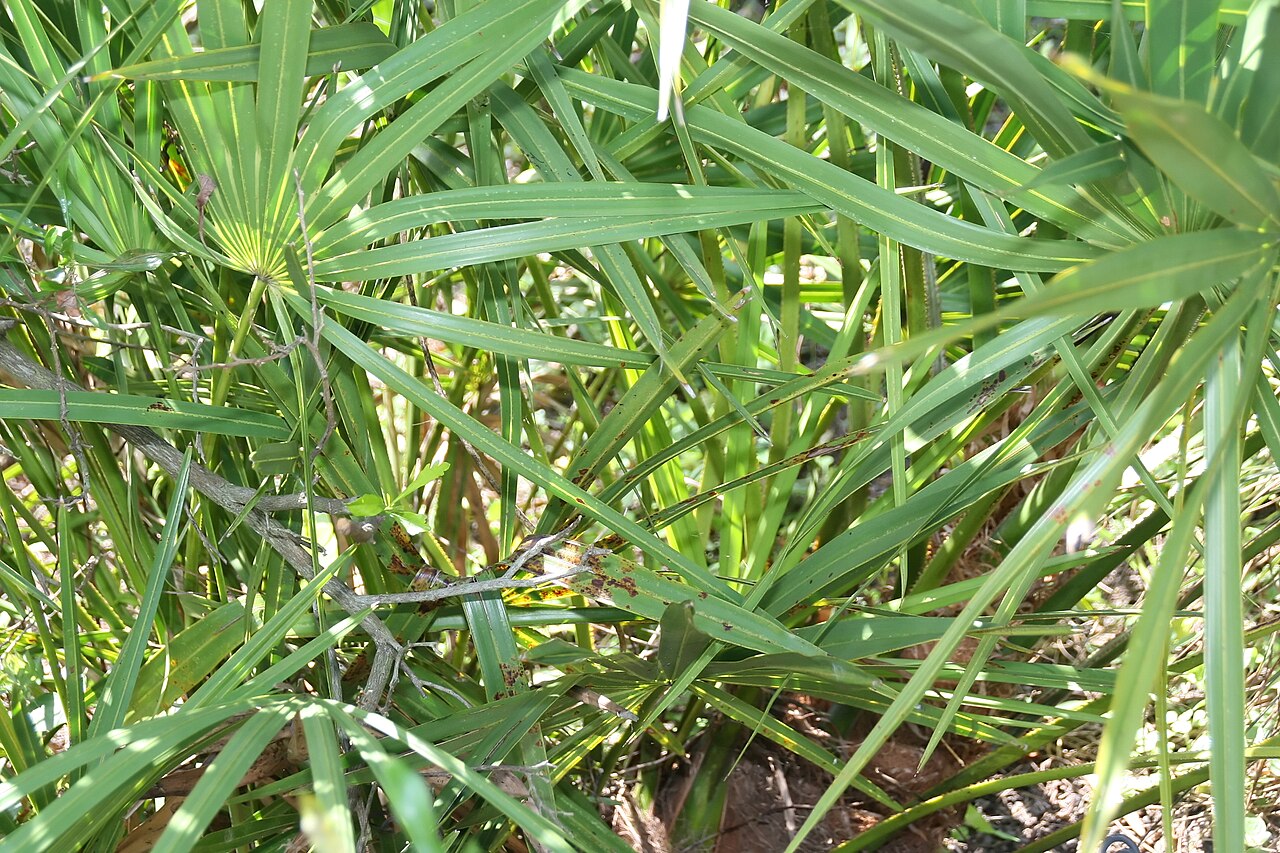
Saw palmetto appears in the additional ingredient list rather than among the quantified core entries. The current image provides neither its individual amount nor a total for the supporting list. That means a buyer cannot determine its exposure or compare it meaningfully with a specified clinical preparation. Simply seeing a familiar prostate-associated plant on a label is not enough to establish a prostate benefit.
NCCIH's current summary finds little or no benefit from saw palmetto alone for symptoms associated with benign prostate enlargement. The presence of the plant in a broad blend does not reverse that conclusion or demonstrate an advantage from the complete product. For this review, its role is a declared ingredient within the men's-wellness concept. The stronger positive features of Male UltraCore are its recognizable quantified core and coordinated format, rather than an unsupported assumption that saw palmetto makes the bottle a urinary-treatment product.
Long Jack provides a separate sexual-wellness research route
Long Jack, commonly associated with Eurycoma longifolia or tongkat ali, is one of the more recognizable men's-wellness ingredients in the quantified core. A randomized study of a particular aqueous extract followed 109 men aged 30 to 55 for twelve weeks and reported favorable selected sexual-well-being outcomes. That gives a buyer a substantive primary study to investigate instead of relying solely on tradition or a front-page phrase.
The tested daily amount was 300 milligrams of that study's preparation. The current v 3 panel's 135.5-milligram entry, together with the missing serving definition, does not establish equivalence. Tongkat ali also appears in the supporting list without an individual quantity, so total exposure cannot be calculated. Sexual-well-being evidence is also distinct from urinary-symptom evidence. The ingredient is an understandable selection for a vitality concept, while the exact finished-product outcome remains a separate question.
KSM-66 adds a recognizable active-living connection
The named KSM-66 ashwagandha root extract is another useful research-linked detail. A randomized 2015 trial studied it alongside resistance training and reported favorable selected strength, recovery-related, and body-composition findings. For men who connect wellness with an active routine, that offers a real reason to examine the ingredient. A named extract helps focus the research conversation more effectively than an unspecified botanical powder would.
The study used 600 milligrams daily for eight weeks, which is not established by the current product image's 75-milligram figure and incomplete serving information. It was not a test of Male UltraCore or a demonstration of prostate benefit. The positive point is ingredient selection with a human research trail. Keeping preparation, amount, population, and outcome attached to the trial lets a buyer appreciate the choice without assuming that every favorable finding transfers to a differently formulated product.
Fenugreek makes extract identity worth asking about
The current label specifies a fenugreek extract with 50 percent Fenusides, giving buyers a more defined starting point than the common plant name alone. Research on fenugreek has included hormone-related measurements and subjective outcomes, but preparations differ. A standardization statement is useful because it can guide a question to the manufacturer about the actual material being supplied and the study being used to explain its inclusion.
A 2024 randomized trial of another preparation found different patterns in plasma and saliva hormone measurements, without a uniform placebo advantage or demonstrated subjective benefit. It did not test Male UltraCore. Hormone measurements also cannot be converted automatically into better urinary function, sexual experience, or energy. The ingredient remains interesting within a broad men's-wellness formula when its evidence is read at the appropriate level. The useful purchase question is whether the exact extract and confirmed daily exposure fit the intended goal.
The amino acids explain part of the product concept
Arginine and citrulline appear in the supporting list and have a physiological connection to nitric-oxide pathways. That gives the circulation-oriented presentation a specific rationale to investigate. A randomized arginine study used 6 grams daily for three months in men with a defined vascular form of erectile dysfunction and reported favorable erectile-function findings. This is substantive evidence for the tested intervention and helps explain interest in the amino acid.
The current v 3 list provides no individual arginine or citrulline amounts, so it cannot be matched to that trial. Circulation-related research also does not establish permanent anatomical enlargement or a prostate-treatment effect. For a buyer, the positive feature is a broad formula whose ingredients can be researched rather than an entirely mysterious combination. The boundaries keep the product's actual concept clear and prevent an ingredient pathway from being expanded into claims the finished bottle has not been shown to deliver.
The supporting breadth has a practical audience
Along with the amino acids and saw palmetto, the list names tribulus, horny goat weed, tongkat ali, maca, Butea superba, muira puama, damiana, Xanthoparmelia scabrosa, and rhodiola. This variety is part of Male UltraCore's identity. A buyer who prefers several familiar men's-wellness categories in one coordinated product may find it easier to consider than a long list of separate ingredient purchases.
The undisclosed individual amounts are the main limit to precise component comparisons. A broad list also does not establish that the combination works better than its components alone; that would require appropriate finished-product research. The visible advantage is consolidation, not demonstrated synergy. This helps identify the audience: someone who values a coordinated formulation style and is comfortable clarifying its details, rather than someone seeking one isolated ingredient at a study-matched exposure for a specific urinary outcome.
The nutritional component can be reviewed across products
Magnesium, zinc, and vitamin B6 add a nutritional dimension to the formula. Their displayed Daily Value percentages are 10 percent, 68 percent, and 147 percent, respectively. These are useful reference points for a reader who already takes a multivitamin or another men's-health supplement. A visible nutrient panel helps prevent a broad botanical product from being treated as if it contributes nothing to the daily nutrient total.
Normal physiological roles do not mean that additional minerals automatically improve testosterone or prostate health in adequately supplied people. A mineral-combination trial in resistance-trained men did not show enhanced adaptations. NIH also identifies 40 milligrams daily as the adult zinc upper intake level, so all zinc-containing products should be counted. The actual daily exposure here depends on the complete serving directions. That makes confirmation of the current bottle a practical step rather than an unnecessary complication in an otherwise appealing combined routine.
Compatibility is part of choosing the right formula
A prostate-conscious reader may already use prescribed medicines or multiple supplements. The full current label is therefore useful to review with a pharmacist, especially where blood-pressure, diabetes, thyroid, sedative, or immune-related treatment is involved. NCCIH identifies interaction considerations for ashwagandha, and thyroid or liver concerns can affect suitability. A broad formula should fit the existing care plan rather than prompting changes to prescribed treatment.
The current image also lists gelatin and colorants, relevant to dietary preferences or specific sensitivities. This review does not claim hands-on experience of the capsules, swallowing comfort, or personal tolerability. Those details depend on the person and the current presentation. The positive aim is a genuine match: the desired formulation style, compatible ingredients, manageable directions, and a clear role. Persistent or changing urinary symptoms should retain appropriate clinical attention instead of being explained away by a supplement purchase.
Quality information is strongest when it is specific
The seller describes manufacturing standards and third-party checks, which are worthwhile topics for follow-up. A lot-specific certificate of analysis would help clarify ingredient identity, content, and contaminant testing for the bottle being purchased. Those are different questions from whether a formula improves sexual well-being or urinary symptoms, so the documentation should be read for the actual scope of its findings.
The reviewed materials did not establish an independently verified batch certificate or a randomized trial of the exact current finished product. That defines the limits of this assessment without removing the product's visible appeal. Named extracts, quantified nutrients, and consolidated variety remain meaningful comparison points. More specific documentation would connect those features to checkable quality information and help a buyer move from general enthusiasm to a clearer understanding of the actual formulation and current lot.
A useful way to prepare for a product discussion
Keep the current bottle panel and a short list of existing products together when asking about fit. A prostate-focused blend, a multivitamin, and a broader vitality formula can share ingredients even when their front labels emphasize different goals. The overlap may involve zinc, saw palmetto, or a botanical appearing under more than one common name. Comparing the actual panels is more reliable than assuming products belong to completely separate categories.
For Male UltraCore, that discussion should include the missing serving definition and undosed supporting list. A manufacturer can clarify the current directions and composition, while a pharmacist can assess the combined routine. This approach makes the product’s coordinated concept more useful: the buyer understands what it would add, which purchases it might replace, and which prostate-related priorities remain separate. The result is a more confident decision grounded in the formula being ordered rather than the general reputation of a familiar ingredient.
The offer includes both bundle value and renewals
The catalog lists one bottle at $79.95, two at $139.95 total, and three at $179.95 total. The larger options average about $69.98 and $59.98 per bottle, using those displayed totals. Three bottles cost $59.90 less than three singles at the listed price. Free U.S. shipping is advertised, while the final selected checkout remains the place to confirm the amount payable.
The current one-bottle checkout explicitly states $79.95 now, first renewal after 28 days, and the same one-bottle bundle every 28 days for $79.95 with free shipping. It permits cancellation anytime by email or phone without a cancellation fee. Check larger bundles from their own selected terms. The product page's 30-day guarantee differs from 90-day language at checkout and in general return materials, so confirm the applicable process. With those details understood, Male UltraCore can be an appealing broader men's-wellness choice, assessed separately from prostate treatment and chosen for its actual formula, convenience, and intended personal role.
Sources & further reading
- Male UltraCore current official product page ↗
- Shop UltraCore official returns policy ↗
- Shop UltraCore official terms ↗
- NCCIH: Saw Palmetto ↗
- PHYSTA Eurycoma longifolia: randomized sexual-well-being trial ↗
- Ashwagandha and resistance training: randomized controlled trial ↗
- Fenugreek extract and plasma/saliva testosterone: randomized trial ↗
- L-arginine in vasculogenic erectile dysfunction: randomized trial ↗
- ZMA and resistance-training adaptations: randomized trial ↗
- NIH ODS: Zinc ↗
- NCCIH: Ashwagandha ↗
- Male UltraCore current one-bottle checkout subscription terms ↗
This article provides educational information. Ask a qualified clinician or pharmacist about your symptoms, medical conditions, medicines and supplement interactions.