Calcium and Vitamin D During ADT: A Bone-Health Guide
Learn what trials say about calcium, vitamin D, bone-density monitoring and fracture prevention for men receiving androgen-deprivation therapy.
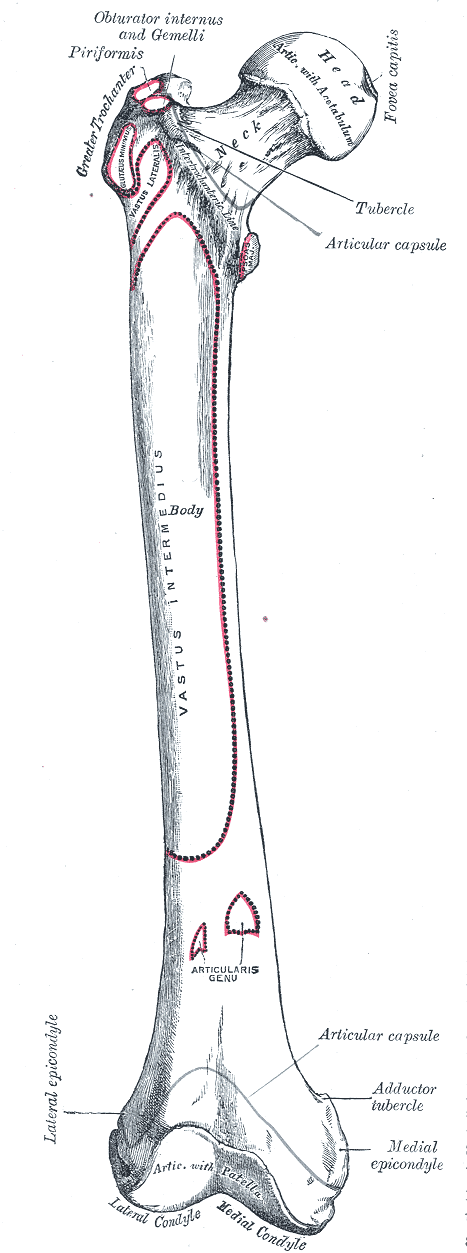
ADT can accelerate bone loss, but the right response is a measured bone-health plan, not an automatic high-dose calcium or vitamin D routine.
Protecting bone starts before the first bottle
Androgen-deprivation therapy can make prostate-cancer treatment more effective while quietly changing bone turnover. That makes bone health worth planning early. The practical benefit is not a promise that one supplement prevents every fracture; it is a clearer system for checking risk, measuring bone density and filling genuine nutrition gaps before they grow.
This is also where the existing guide to vitamin D and prostate cancer helps: vitamin D's normal nutrient role does not prove cancer prevention. During ADT, the goal is different and narrower—support bone health as part of treatment, with doses chosen for the individual rather than for a marketing claim.
What the randomized vitamin D trial found
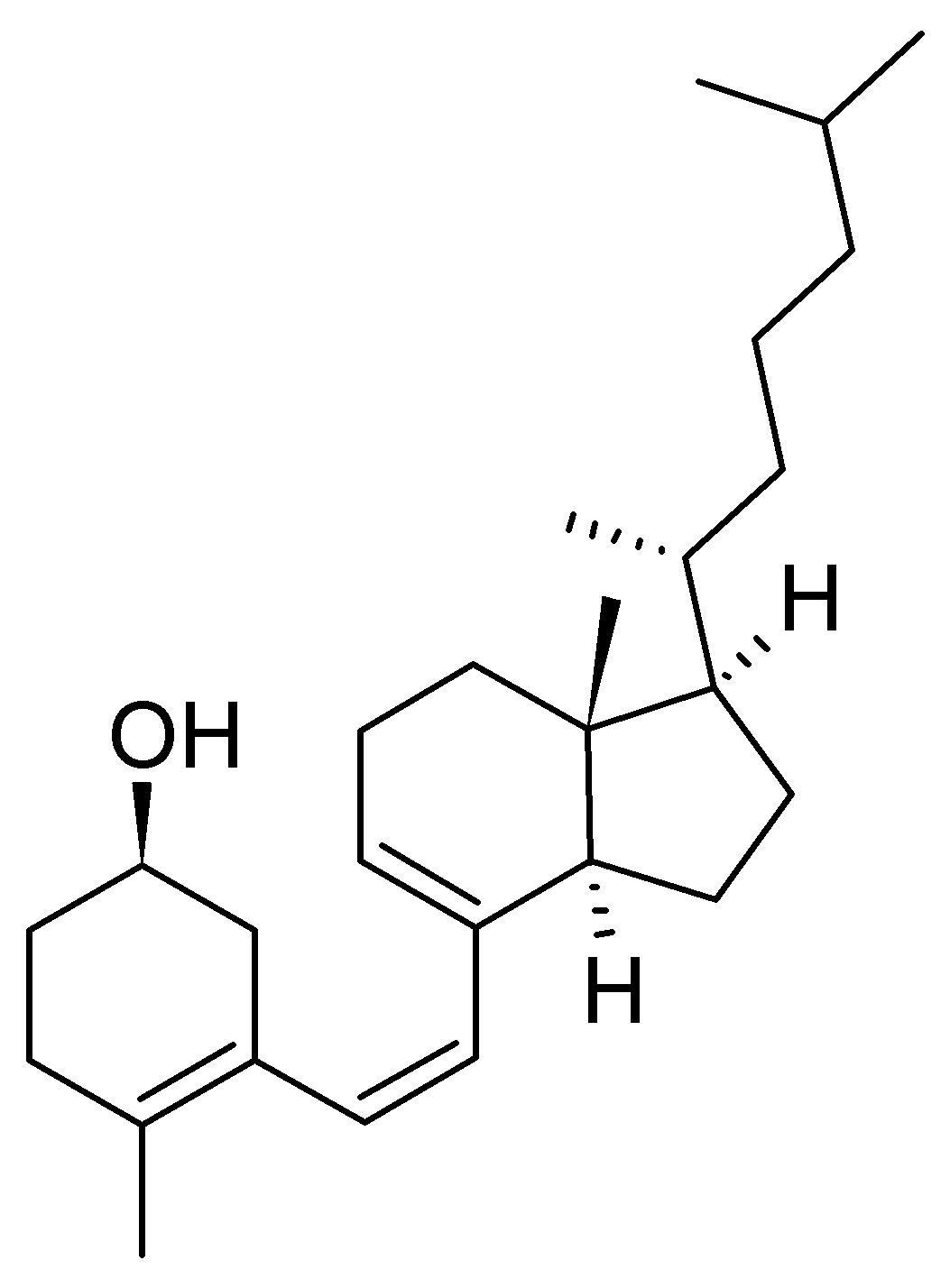
A 2024 phase 2 trial enrolled men starting ADT and gave everyone 600 IU of vitamin D plus 1,000 milligrams of calcium daily. Participants were then randomized to an additional 50,000 IU of vitamin D each week or placebo for 24 weeks. The high-dose group lost less bone density at the total hip, but the study included only 59 men and was not a fracture trial.
That result is useful, but it does not make 50,000 IU per week a do-it-yourself dose. High-dose vitamin D changes calcium handling and may be unsuitable in some kidney, stone or parathyroid conditions. A measured blood level, kidney history and the oncology team's plan matter more than copying a research regimen.
Calcium has a target and a trade-off
Calcium is structural material for bone, yet more is not automatically better. Food intake, antacids, a multivitamin and a separate supplement all count. Our calcium supplements and prostate cancer risk guide explains why long-term cancer evidence does not fit a simple rule; that question should remain separate from short-term bone support during ADT.
A long-term study of men on ADT found bone-density changes despite calcium and vitamin D use, which is why supplements are only one layer. Resistance and weight-bearing activity, fall prevention, smoking status, alcohol, and prescription bone medicines can be more important for a man at high fracture risk.
Ask for the bone-health measurements that guide action
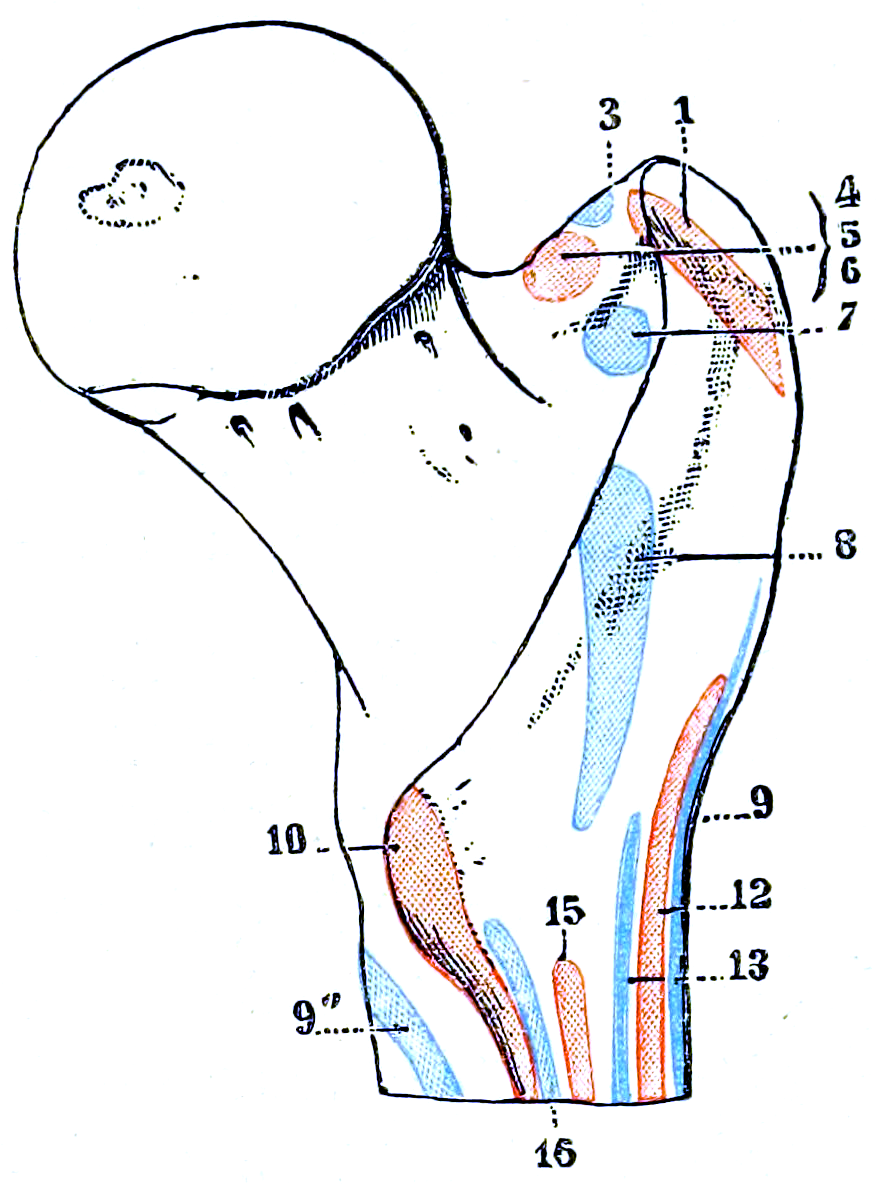
A baseline DXA scan can show whether bone density is already low. Clinicians may also review age, prior fractures, family history, steroid use and other medicines, then repeat imaging on a schedule matched to risk. The related melatonin during ADT guide makes the same broader point: supportive care should be tied to a defined symptom or risk, not confused with cancer treatment.
Bring every bottle to the visit. A multivitamin plus a prostate blend can quietly duplicate vitamin D, calcium, zinc and other nutrients. Add the label totals before buying anything new, and ask whether the plan includes dietary calcium, a supplement amount or both.
Build a plan that can change with your results
Start with three questions: What is my baseline fracture risk? How much calcium do I already get from food and current products? Do I need a vitamin D blood test or repeat DXA? Those answers turn a vague bone supplement decision into a plan that can be adjusted as treatment continues.
Exercise, balance work and adequate protein also deserve space in the plan. If pain, sudden height loss or a new fracture appears, contact the care team rather than increasing supplements. The best ADT bone strategy combines monitoring, daily habits and prescription treatment when indicated—without assuming that a bigger nutrient dose is automatically safer.
A bone plan should also name the threshold for changing course. Ask what DXA result, fracture history or laboratory finding would lead to a prescription bone-strengthening medicine instead of simply adjusting supplements. Dental plans and kidney function can matter when those medicines are considered, so the decision belongs in coordinated care rather than at the supplement shelf.
Revisit the plan after treatment changes. ADT duration, steroid exposure, reduced activity and weight loss can shift risk over time. A routine that was reasonable at the start may need a different calcium total, vitamin D dose or monitoring interval later. Write the numbers down so that every clinician is working from the same current list.