Walnuts and prostate health: useful food, but PSA studies do not prove protection
Walnuts can fit a heart-healthy eating pattern, yet small human studies found no PSA drop and did not establish prostate-cancer prevention.
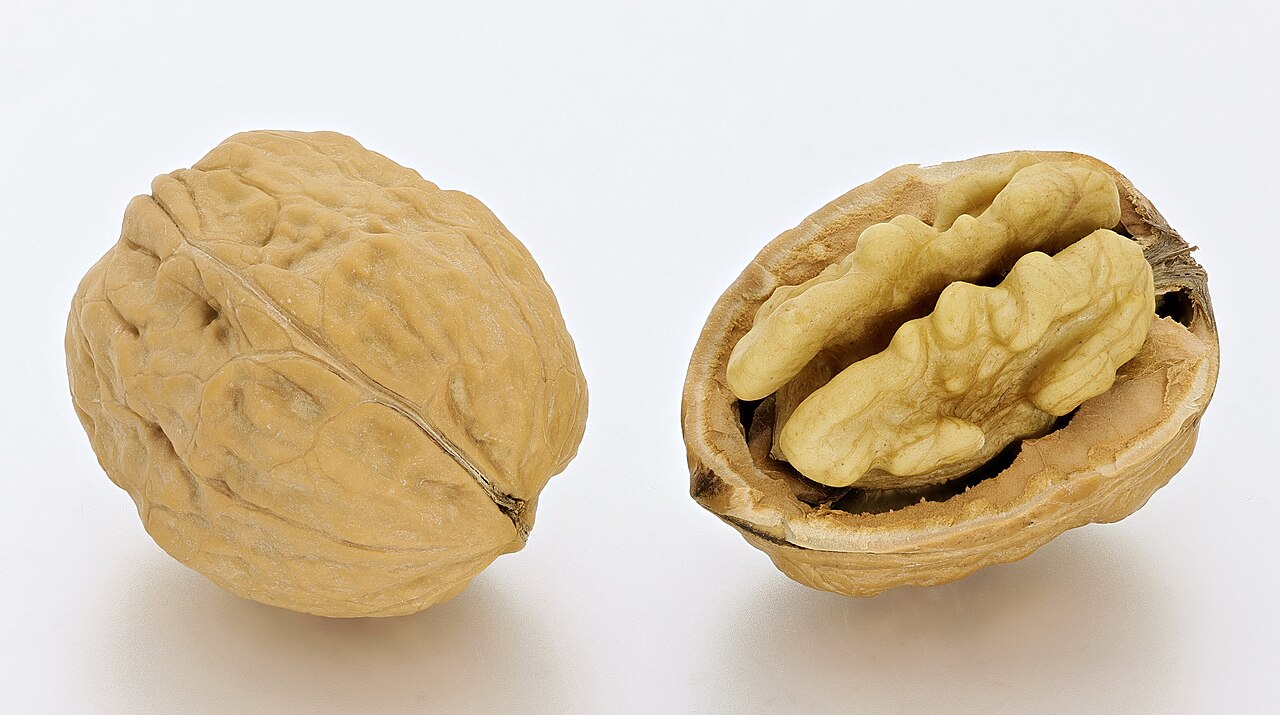
Walnuts are nutritious, and their metabolites can reach prostate tissue, but current human evidence does not show that eating walnuts lowers PSA or prevents prostate cancer.
A walnut can be healthy without being prostate medicine
Walnuts offer unsaturated fats, fiber, minerals, and a convenient way to replace less nutritious snacks. That is a solid food story. The prostate story is more limited. Small human studies have examined PSA and whether walnut compounds reach prostate tissue, but they have not shown that walnuts prevent or treat cancer.
This distinction is useful because foods do not need a disease claim to earn a place on the plate. A man can choose walnuts for taste and overall nutrition while keeping PSA interpretation, biopsy decisions, and cancer treatment anchored to clinical evidence rather than to a single ingredient.
The randomized PSA analysis found no change
Researchers analyzed 40 middle-aged men in a randomized crossover study. Participants ate about 35 grams of walnuts daily during the walnut period, equal to roughly 12 percent of energy, and followed a control diet during the other period. Each period lasted six months.
Mean PSA was 1.05 micrograms per liter after the walnut diet and 1.06 after the control diet, a nonsignificant difference. That is reassuring for men worried that walnuts might raise PSA, but it is not evidence that walnuts shrink the prostate or prevent cancer. The group was small and PSA was low at baseline.
A presurgery study tracked metabolites, not outcomes
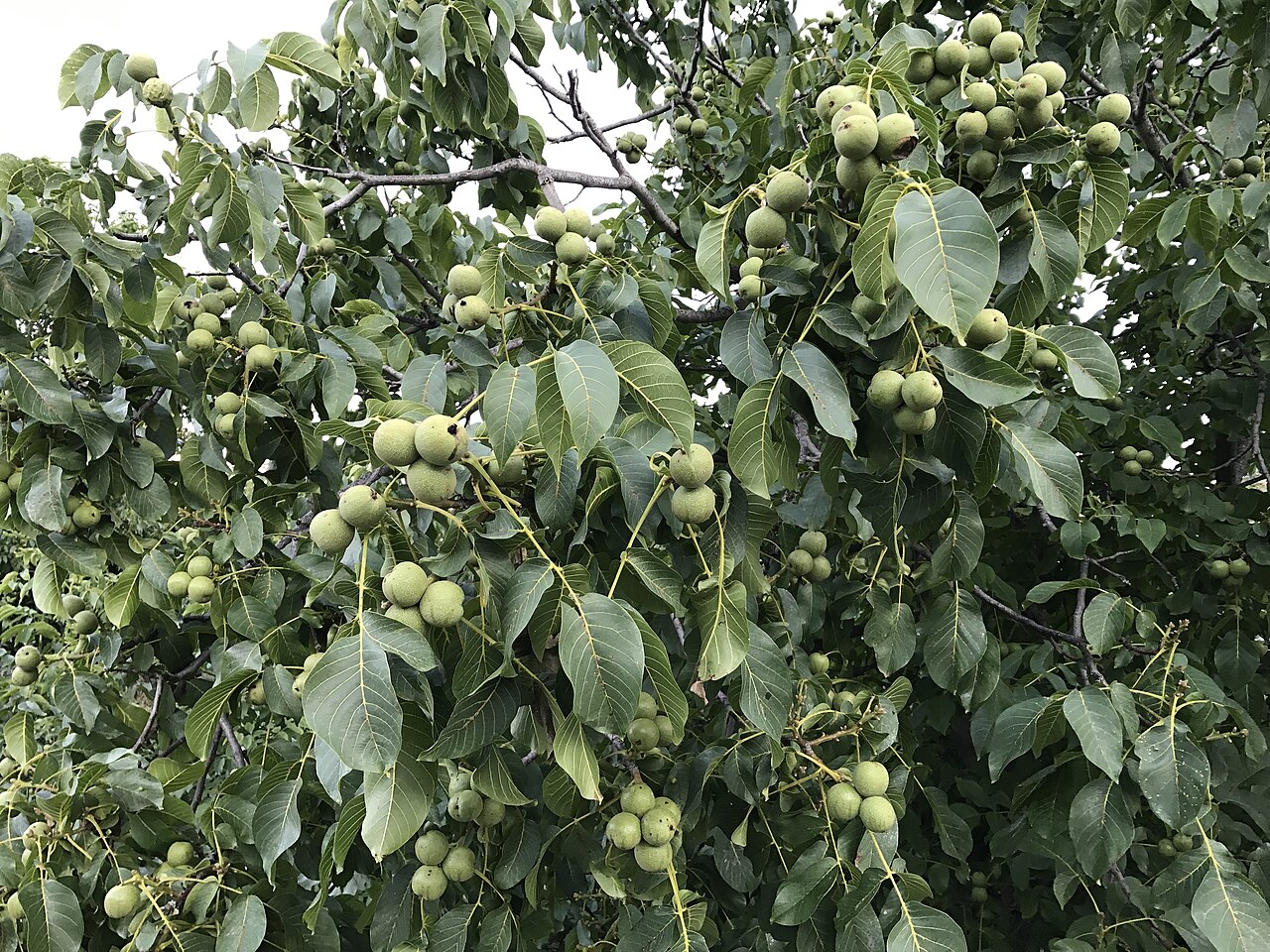
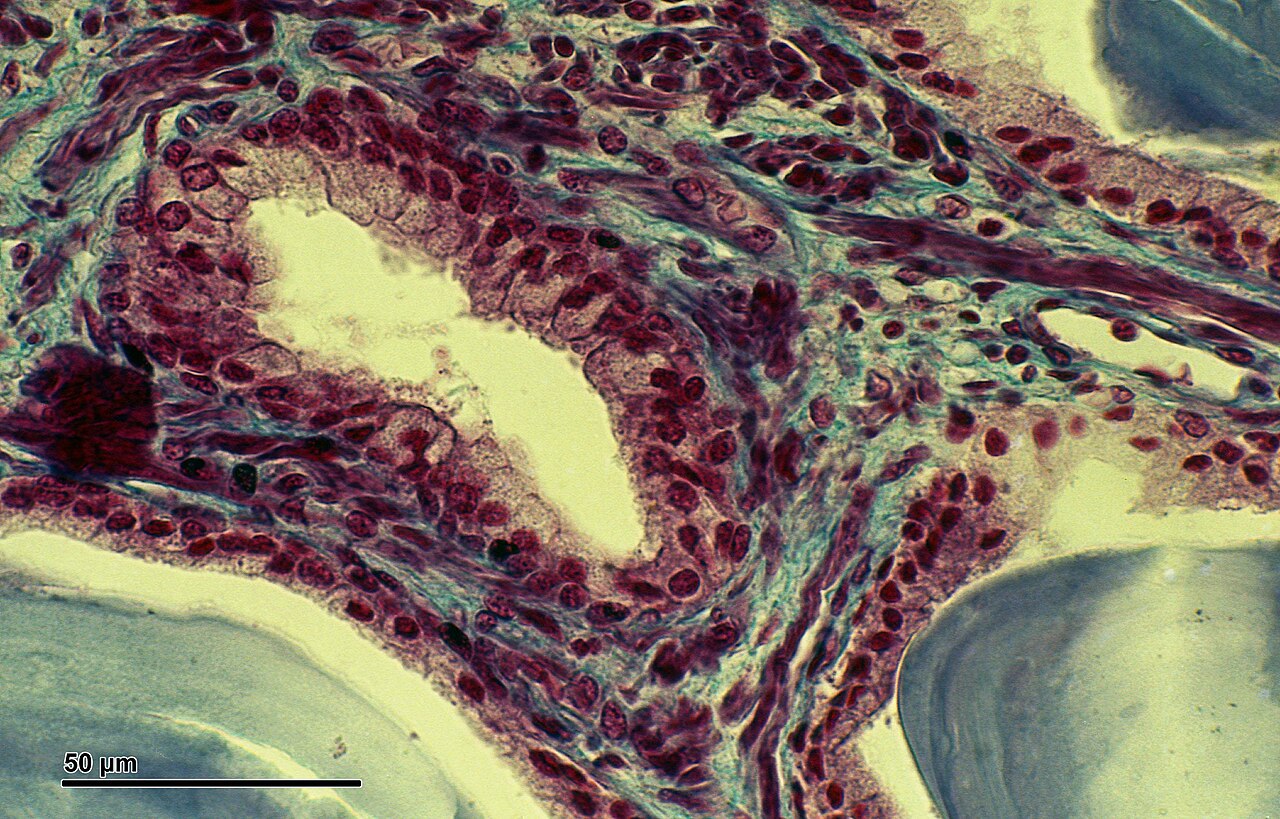
Another study assigned 63 people with benign prostate enlargement or prostate cancer to walnuts, pomegranate juice, or control for three days before surgery. Investigators detected urolithin metabolites in some prostate specimens. Gut bacteria create these metabolites from ellagitannins found in walnuts and pomegranate.
Finding a molecule in tissue shows exposure, which is an important early research step. It does not show that the molecule slowed tumor growth, prevented recurrence, or improved survival. Three days is also far too brief to evaluate those outcomes. The study helps explain biology while leaving the clinical question open.
Population research does not supply the missing proof
A 2023 systematic review of observational studies found no significant association between total nut intake and overall, advanced, nonadvanced, or fatal prostate cancer. Data on individual nut types, including walnuts, were too limited for a firm separate analysis. Observational results can also reflect many linked diet and lifestyle choices.
That means neither a promising laboratory pathway nor a healthy-eater pattern should be turned into a prevention promise. The strongest message is modest: walnuts can contribute to a balanced dietary pattern, but current evidence does not justify buying walnut extracts or large quantities for prostate-cancer control.
Use walnuts in a practical way
A small handful can replace cookies, chips, or processed meat in a meal pattern. Watch portions if calories matter, and avoid walnuts if you have an allergy. Whole nuts bring a food matrix that an oil or isolated extract does not duplicate, so do not assume every walnut product has the same evidence.
If PSA is rising, do not try to manage the number by changing one food before a repeat test. Ask about normal variation, infection, recent procedures, medicines, and the follow-up schedule. Walnuts can stay on the menu, but the useful prostate decision comes from the clinical context around the test.
PSA is useful, but it is not a food scorecard
PSA is produced by prostate tissue and can rise with cancer, benign enlargement, inflammation, infection, or recent manipulation. A food that leaves PSA unchanged in healthy men has not failed as food, and a food that nudges PSA in a short study has not automatically changed the course of cancer. The clinical context determines what the number means.
This is why outcome language matters. Researchers can measure exposure, oxidative markers, cell proliferation signals, PSA, biopsy findings, progression, and survival. Each is a different rung on the evidence ladder. The walnut studies reached early rungs; they did not climb to prevention or treatment. That framing preserves both the nutritional value and the scientific limit.