VitaVein Heart Health Review for Men: Beetroot, Vascular Research, and Daily Fit
A heart-health-focused VitaVein review for men, examining beetroot vascular research, nitrate-label limits, capsule convenience, and current purchase terms.
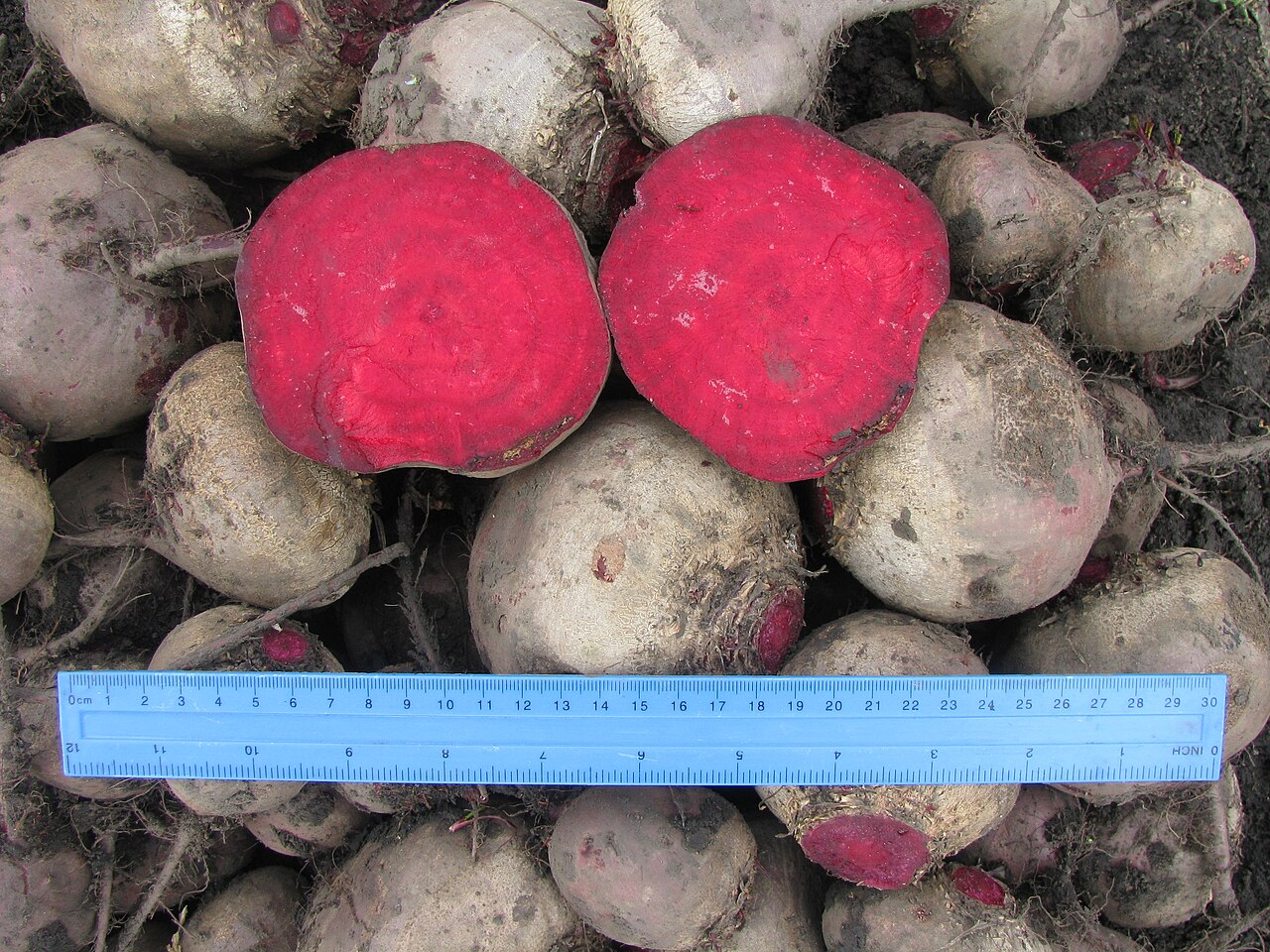
VitaVein is a heart-health-category beetroot supplement with a convenient daily format. Its cardiovascular research context comes from measured nitrate interventions, not verified blood-pressure or urinary effects of this capsule.
A convenient beetroot option for a heart-focused routine
For men building a wellness routine, VitaVein makes the most sense as a heart-health supplement. Its beetroot ingredient has a research connection to dietary nitrate, blood pressure, and blood-vessel function. That is a more specific and useful starting point than assuming a general men’s product must address urinary symptoms. A once-daily capsule can offer practical appeal to someone who already wants a beetroot option for a cardiovascular nutrition routine and prefers a small bottle to preparing a daily juice.
The central question is how the actual product relates to the cardiovascular research. VitaVein declares 1,300 milligrams of beetroot per serving, but the reviewed information does not quantify nitrate, and the description and graphic differ on powder versus extract. Those details prevent treating the capsule as equivalent to a measured juice intervention. This review puts heart-health evidence and label clarity first, with serving convenience, current supply choices, and personal suitability considered next. Prostate and urinary questions remain separate clinical concerns rather than assumed outcomes of taking a beetroot supplement.

Blood-pressure research is another part of the heart-health rationale
A randomized trial by Kapil and colleagues used measured nitrate-rich beetroot juice for four weeks in adults with hypertension, with nitrate-depleted juice as the comparison. The study reported improvements in blood-pressure measures. This helps explain why beetroot is discussed in cardiovascular nutrition and gives readers an actual human intervention to examine rather than only a mechanism or testimonial.
The trial did not study VitaVein, and it does not establish a blood-pressure change from the marketed capsule. Nor does it provide evidence about urinary flow or benign prostatic enlargement. A clear purchase assessment can still value the easy daily format while keeping those outcome boundaries visible. The full supplied label and quantified nitrate information would make comparison with cardiovascular trials more useful.
Vascular-function research gives beetroot its cardiovascular context
A randomized study by Velmurugan and colleagues examined nitrate-rich versus nitrate-depleted beetroot juice in people with untreated high cholesterol. Its six-week intervention investigated vascular and platelet function, reporting an improvement in a measured vessel-function endpoint. This is useful background because it shows why researchers have studied dietary nitrate in humans using a defined preparation and a comparison group. It was not a prostate trial or a study of VitaVein capsules, and its outcome should retain that specific context when discussed in a product review.
The constructive lesson is to ask what the evidence actually measures. A result involving vascular function is not equivalent to lowering LDL cholesterol, preventing a cardiovascular event or improving urination. Those are different claims requiring their own support. VitaVein's format can be attractive without importing them. The research gives the beetroot category scientific interest, while the precise preparation and serving remain central to any comparison. That approach is more informative than either ignoring the research or treating every promising ingredient finding as proof of an all-purpose men's-health effect.
A nitrate amount is needed for a meaningful study comparison
Much of the category's research concerns dietary nitrate and the pathway through nitrite to nitric oxide. The body involves oral bacteria in an important conversion step, illustrating that the physiological story is more specific than a general idea that vegetables improve circulation. The 1,300-milligram product figure describes beetroot material, not a quantified nitrate amount. The reviewed page and graphic did not provide nitrate standardization or a batch assay. There is no reliable way to translate that ingredient weight into the measured nitrate serving used in a particular juice trial.
A buyer who likes comparing evidence can ask whether the seller supplies a current nitrate report and a precise description of powder versus extract. That information would make the product-to-study bridge clearer. Until then, the practical capsule advantages stand more firmly than a prediction of a clinical response. This does not mean the beetroot concept lacks interest. It means the strongest conclusion about this finished product is narrower than the entire category's research history. An informed purchase can value convenience while keeping uncertainty about the exact nitrate exposure visible.

The displayed serving is simple to budget and organize
The page describes thirty capsules per bottle and recommends one daily with water. It suggests a consistent time, such as morning or with a meal. That provides an understandable intended supply of thirty daily servings, subject to the current supplied label. A small daily format may suit someone who values portability or prefers avoiding preparation and refrigerated storage. Ease of use is a legitimate product feature even before making a claim about any measured physiological effect. It can influence which beetroot format a shopper finds most practical.
The featured amount is 1,300 milligrams of beetroot per serving in the description and public product data. There is a wording difference to confirm: the main prose says powder, while the Supplement Facts marketing graphic says extract. The reviewed graphic also does not establish the complete capsule-shell and excipient list. Request the current full label if the exact ingredient form, dietary preference or another ingredient matters. A concise featured-ingredient story can be appealing while still leaving room for a sensible label check before selecting a supply.
Urinary symptoms remain a separate question from heart-health nutrition
Circulation language can seem relevant to almost every part of the body, but that does not make it evidence for every condition. Blood-vessel measurements, urinary flow, prostate size and cancer outcomes are separate clinical endpoints. An interesting beetroot study in one area does not establish an effect in the others. VitaVein's public research background did not demonstrate treatment of prostate enlargement or a predictable change in urinary symptoms. A reader should therefore evaluate the product for its actual supplement proposition rather than assume a broad circulation claim covers a specific urologic concern.
This distinction can make the buying decision more useful. Someone may want a convenient beetroot routine while continuing appropriate prostate care elsewhere. There is no need to portray those activities as competing choices. The capsule's appeal can be its featured ingredient and daily format, with a clinician addressing the condition-specific questions. New or persistent urinary changes deserve their own assessment rather than an attempt to diagnose them by whether a supplement seems to help. A clear role protects the positive case from being diluted by expectations the finished product has not established.
A clear formula check supports a simpler routine
The abbreviated marketing graphic is not a substitute for a complete bottle label. Ask for the full ingredient list when capsule materials or dietary restrictions are part of the decision. Do not assume vegan status, an allergen claim or the absence of every unwanted ingredient from a short featured-ingredient description. This is especially useful for someone who already uses several products and wants each addition to have an understandable purpose. More information can simplify the routine by reducing uncertainty about what the new bottle actually contains.
If the reader is receiving ongoing care, bringing that actual label to a clinician or pharmacist is more useful than describing the product only as a beet supplement. The relevant professional can consider the real formula and the person's medicines and conditions. This review does not claim that VitaVein changes PSA or another prostate test, and no such effect should be inferred. The practical point is ordinary recordkeeping: a supplement can remain part of an accurate health history without being promoted as treatment for the condition under discussion.

Caffeine-free positioning may fit personal preferences
VitaVein's energy marketing emphasizes the absence of caffeine. That can be attractive to someone who prefers not to add another caffeinated wellness product. The comparison is about the type of routine being chosen, rather than a guarantee that everyone will experience a particular energy effect. Confirm the current complete formula if avoidance of an ingredient is important. The product's featured beetroot concept differs from a stimulant-style drink, and a buyer can legitimately prefer that positioning even when no personal energy outcome has been established.
Persistent tiredness has many possible explanations and should not automatically be self-diagnosed as a circulation problem. Likewise, a subjective feeling after taking a supplement does not show that a prostate condition has changed. Keeping these questions separate lets the daily-format benefit remain clear. A man can consider a caffeine-free-positioned beetroot supplement because it suits his preferences, while having symptoms evaluated appropriately. The positive purchase case is practical enough to stand without an assurance of instant vitality or a timetable for feeling younger.
The capsule can complement rather than replace food
Whole vegetables contribute a variety of nutrients, textures and flavors that a single featured-ingredient capsule does not recreate. Beets can be enjoyed as part of meals, while the capsule offers a different kind of portability. Those options need not be presented as mutually exclusive. The reader can value an easy supplement habit and continue a varied food routine. A product with a small, defined place can be more understandable than one marketed as a replacement for every nutrition choice associated with long-term wellbeing.
The comparison with juice also has two parts. Storage, preparation and taste preferences are practical considerations, while research equivalence depends on the preparation and measured constituents. VitaVein may appeal on the first set of questions without establishing the second. That distinction is helpful for a buyer who has little interest in preparing a daily drink but still wants honest information. Convenience is a genuine format advantage; it does not have to be inflated into a claim that capsules supply every component or proven effect of whole beets or nitrate-rich research juice.
Clear directions do not establish a clinical timetable
The once-daily direction makes the intended habit easy to connect with an existing meal or morning routine. It also helps the buyer estimate how long a bottle will last. Follow the current supplied label rather than increasing an amount to imitate a study using a different preparation. When nitrate content is unquantified, taking more beetroot material does not create a scientifically reliable conversion. An individualized question is better directed to the appropriate professional than answered by arithmetic from a juice trial or a marketing graphic.
The product page includes staged timelines for benefits, but those were not verified as finished-product clinical results. They should not become a deadline for improved circulation, energy, cholesterol or a urinary symptom. The useful expectation is that the buyer is choosing an easy daily format with an interesting ingredient background. If a health concern persists, waiting for a named week in a promotional schedule is not an adequate assessment plan. A supplement routine and condition-specific care can remain connected through clear information without confusing one with the other.

The bundle structure creates visible value differences
The official offers reviewed displayed $49.95 for buy one plus get one free, $58.95 for buy two plus get two free and $71.95 for buy three plus get three free. Public product data carried the corresponding prices. On those offer names, the bottle counts are two, four and six, which should be checked in the order summary. At the daily label direction, those quantities represent sixty, one hundred twenty and one hundred eighty servings. A shopper can compare both the amount of supply and the total initial expense rather than focusing on one headline number.
The implied average prices are about $24.98, $14.74 and $11.99 per bottle before shipping or taxes. That makes the larger displayed options arithmetically attractive for a buyer already comfortable with the product concept. A smaller commitment may be more suitable for someone who wants less supply or more flexibility. Neither option has a demonstrated clinical value assigned by this review. The useful comparison is straightforward transaction math, considered alongside the buyer's actual plans and the return terms that apply to the chosen quantity.
Ordering and delivery should stay easy to understand
The page describes a one-time purchase with no subscription, a useful feature for a reader who wants control over the next order. Confirm that arrangement, variant and total quantity before paying and retain the confirmation. The free-shipping banner applies above fifty dollars, so the $49.95 offer should not automatically be assumed to qualify. A delivered-price comparison is more useful than a product-only figure when the smallest option sits just below the advertised threshold. The order summary is the place to resolve the actual total.
The store describes processing usually within one business day and typical U.S. delivery in three to five business days. Those remain seller estimates rather than fulfillment results tested here. A ninety-day money-back statement also appears, with different sections referring to unused and unopened bottles. Ask for the applicable opened-bottle and return conditions in writing before relying on that promise. Several public policy routes were unavailable during the dossier check, making a retained answer particularly helpful. The aim is a clear transaction, not an assumption that a refund window proves the product's effects.
Choose a cardiovascular wellness role alongside appropriate care
A reader taking blood-pressure medicines or managing cardiovascular or kidney conditions should discuss the actual bottle label with a clinician before adding a circulation supplement. Dietary inorganic nitrate should not be treated as interchangeable with prescription organic-nitrate medicines based on the word alone. The relevant question is the person's actual situation and formula. New persistent cold feet, numbness, erection changes or exercise intolerance also deserve assessment rather than a self-diagnosis that beetroot is the missing answer. Concise individualized advice is more useful than broad assumptions about either benefits or interactions.
VitaVein offers an understandable proposition within the heart-health category: beetroot in a portable daily capsule, supported by an interesting cardiovascular ingredient research background and one-time bundle choices. Confirm the complete formula, ingredient wording, nitrate information if available, total cost, and return eligibility before choosing a supply. The reviewed studies do not establish clinical results from this finished capsule, and urinary or prostate symptoms should retain their own appropriate assessment. That allows the supplement to be considered for its actual convenience and cardiovascular nutrition focus without assigning it unrelated treatment roles.
Sources & further reading
- VitaVein official product and offer page ↗
- VitaVein public product variants and prices ↗
- VitaVein official Supplement Facts marketing graphic ↗
- FDA: Dietary Supplements ↗
- NIH ODS: Dietary Supplements for Exercise and Athletic Performance ↗
- Velmurugan et al.: Dietary nitrate and vascular function in hypercholesterolemia ↗
- Kapil et al.: Dietary nitrate blood pressure trial ↗
This article provides educational information. Ask a qualified clinician or pharmacist about your symptoms, medical conditions, medicines and supplement interactions.