Liva Flirty Time Review: A Women’s Wellness Option for a Fuller Intimacy Conversation
A women-focused review of Liva’s gummy format, ashwagandha research, and current terms, with a clear distinction from prostate and men’s treatment.
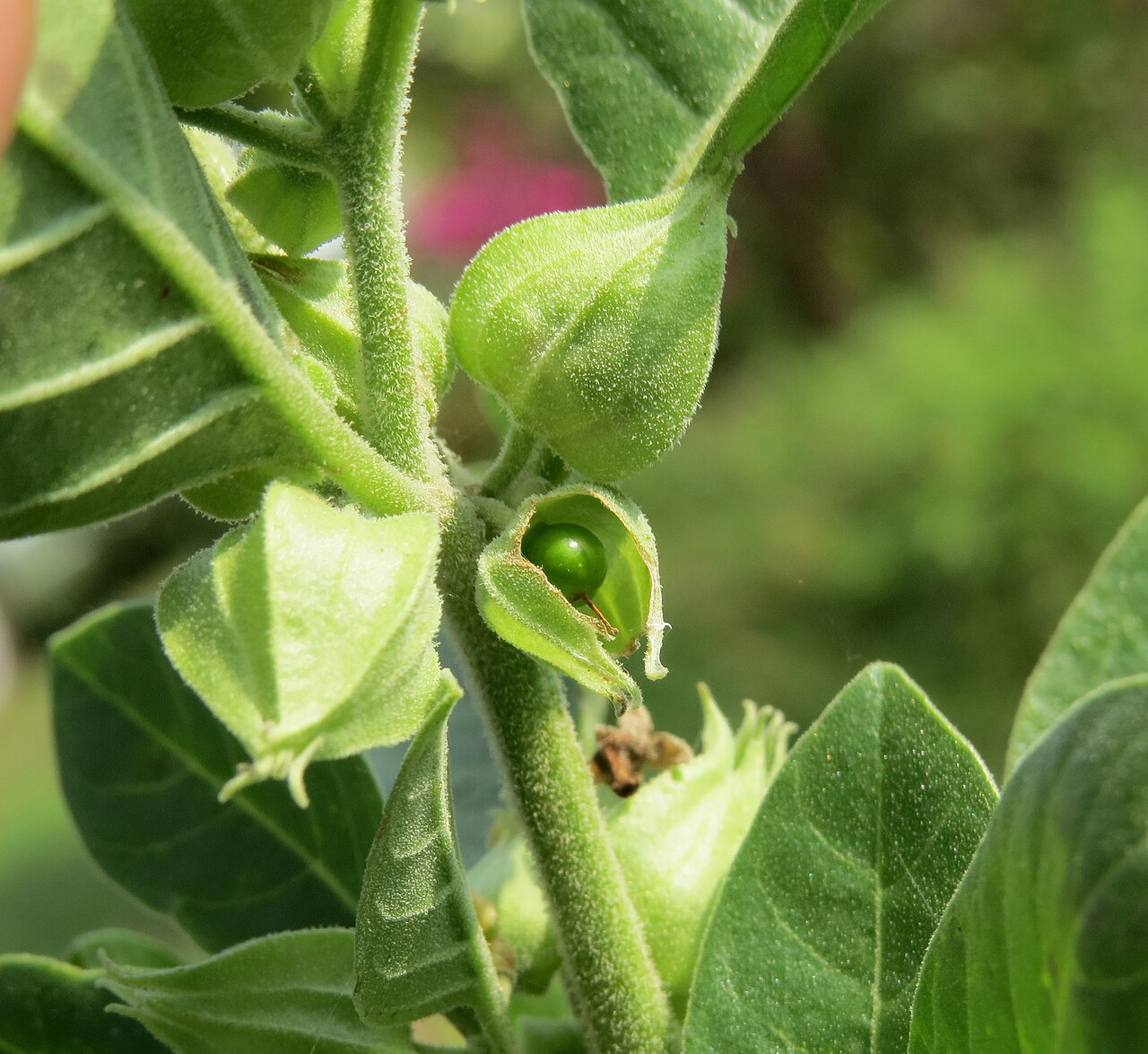
Liva brings an inviting gummy format to women’s intimate wellness. It can be explored as an optional female-focused product, while prostate concerns, cancer treatment, and a partner’s medical care remain separate decisions.
Why women’s intimate wellness belongs in a broader conversation
Prostate health often brings relationships into focus. A reader may arrive with a question about his own care and discover that closeness, communication, and a partner’s comfort are equally important parts of daily life. Liva Flirty Time is a women-focused supplement that offers a cheerful entry point into that wider conversation. Its strawberry-peach gummy presentation and ashwagandha ingredient may appeal to an adult woman who wants to explore an optional intimate-wellness product for herself.
That is the connection for this review; it is not a prostate indication. Liva is not presented here as a treatment for prostate enlargement, urinary symptoms, prostate cancer, or a man’s erectile difficulties. A female-focused product should be evaluated around the woman choosing it, rather than as a way to compensate for her partner’s medical situation. The most positive role for the product is a voluntary wellness choice within a relationship that gives both people space to express what feels comfortable and worthwhile.

A friendly format for a sensitive subject
Liva’s design makes intimate wellness feel less clinical. The seller describes strawberry-peach flavor, pectin-based gummies, and a compact bottle, while the checkout specifies 30 gummies per pack. For someone who does not enjoy capsules, the chewable format is a practical feature. No powder needs to be measured, no drink needs to be mixed, and the bottle can fit into an existing personal routine.
Those conveniences are a legitimate part of the product’s appeal, even though they do not prove a sexual-health outcome. A pleasant format can make it easier to consider a product and read about its ingredients without embarrassment. It can also encourage a useful conversation about what a woman actually wants from a wellness purchase. That conversation may involve enjoyment, relaxation, or simple curiosity. It should not begin with a demand for greater frequency, a comparison with another couple, or the assumption that a partner’s concerns mean she needs a supplement.
The actual ingredients give the review its starting point
The current official facts graphic lists ashwagandha root at 25 mg, zinc as citrate at 2 mg, and vitamin D2 at 100 mcg or 4,000 IU. The “25mg” wording in the catalog therefore aligns with the root amount displayed in the graphic. It does not describe a drug dose for men or a prostate-directed ingredient combination. The product belongs in women’s wellness, and its specific amounts deserve to be considered within that context.
Its other-ingredient line names glucose syrup, sugar, glucose, pectin, citric acid, sodium citrate, natural strawberry flavor, vegetable oil with carnauba wax, and spinach powder. Pectin provides a plant-derived gummy structure, but that fact alone does not certify the complete product as vegan or answer every allergen question. The graphic also lacks a visible formal serving-size line. Obtaining the received bottle’s full label is a useful step for anyone with dietary restrictions or medicines to review, especially before a recurring purchase.
Ashwagandha offers a relevant, early research direction
Withania somnifera, commonly called ashwagandha, has attracted interest for stress, sleep, and other aspects of well-being. NIH reviews describe some encouraging short-term studies of particular preparations while noting differences in the extracts and amounts used. This makes the ingredient interesting for people who feel that a busy or stressful life leaves less room for intimacy. It does not show that a supplement resolves every emotional or physical reason for a change in sexual interest.
That distinction is particularly useful when a couple is adapting to a health challenge. Stress may be part of the experience, but so may fatigue, uncertainty, physical limitations, medication effects, and concern about a partner. Liva’s botanical identity can be explored without assigning it responsibility for all those issues. A product may be a small personal choice within a larger plan for well-being. The promising ingredient story is strongest when it sits alongside support and communication, rather than replacing them.
What the women’s clinical studies can tell us
A 2015 randomized pilot of 50 women found favorable changes in overall sexual-function scores and several domains when a concentrated ashwagandha extract was added to counseling. Arousal, lubrication, orgasm, and satisfaction were among the measures that favored the extract over placebo. Desire did not show a significant between-group benefit in the corrected analysis, and pain also did not meet that corrected threshold. The results therefore support a more specific story than a universal libido promise.
A 2022 trial randomized 80 women and reported stronger improvements in total sexual-function and distress measures with root extract. Its detailed table did not show a significant desire-domain advantage at eight weeks, despite broader abstract language. Both trials are encouraging evidence that the ingredient deserves further study in women’s sexual well-being. Neither establishes that Liva’s finished gummy treats a sexual disorder, and neither studied couples recovering from prostate treatment. It is important to preserve those boundaries while recognizing the research interest.
The current gummy is different from the trial regimens
The female trials used KSM-66 root extract in 300 mg capsules twice daily for eight weeks. The online Liva panel lists 25 mg of root. A named plant and a positive trial do not automatically make different products equivalent. Amount, extraction method, composition, and timing can all matter. No published finished-formula trial was identified in the sources examined for this review, so the product’s clinical effect should not be described as already demonstrated.
The current graphic also describes 3% withanolides but places a 1.5 mg figure beside the 25 mg root amount. Those values do not mathematically agree, because 3% of 25 mg equals 0.75 mg. A clarified current panel and a lot-specific analytical report would help resolve the intended specification. This is not something to address by taking extra gummies. The other nutrients would rise at the same time, especially vitamin D, and the result would still not reproduce the studied extract or trial design.
What changes after prostate treatment really call for
The National Cancer Institute explains that prostate-related cancer treatments can affect men’s sexual function through different mechanisms, including hormonal changes and effects on nerves or blood vessels. The appropriate support depends on the treatment and the individual. Those changes do not become a woman’s responsibility to solve by taking a libido supplement. Her own preferences and comfort remain distinct from the medical questions affecting her partner.
A couple can bring sexual-health questions to the treating team together if both want to, while keeping individual decisions private when preferred. Useful questions concern what changes are expected, which activities are comfortable, and what professional support is available. Liva has no established role in reversing treatment effects or restoring a partner’s erectile function. Its possible place is much narrower and more personal: an optional women’s wellness product that an adult woman may independently find appealing. Clear separation lets that choice remain positive without creating a misleading medical promise.

Closeness can take more than one form
Intimacy need not be measured only by intercourse or by how often it occurs. A couple may value affectionate touch, shared time, conversation, or activities that feel comfortable during a period of change. Those choices can be worthwhile in their own right. A wellness product should fit that flexible picture rather than narrowing it into a test of whether a planned evening produced a particular response.
Liva’s nearby directions graphic describes one gummy 30–60 minutes before intimacy or when support for relaxation, mood, and desire is wanted. That is a seller instruction, not a proven deadline for a sexual effect. The ingredient studies assessed repeated use over weeks. A woman who chooses the product should remain free to change plans, feel no response, or decide the ritual is not for her. The most supportive partner response is curiosity without pressure, with the understanding that taking a supplement does not create an obligation to engage in any activity.
Women’s own symptoms should receive their own attention
A female partner can have medical questions unrelated to the prostate issue that brought the couple to this publication. Dryness, persistent pain, menopausal changes, or a sudden and distressing change in interest may merit an individualized conversation. The Office on Women’s Health describes menopause-related changes in comfort and sexuality, and the National Cancer Institute explains how women’s own cancer treatments can affect sexual well-being. These are specific contexts with care options that should not be compressed into a gummy claim.
The encouraging ashwagandha trials also involved selected populations rather than every reproductive stage or illness. The 2015 pilot excluded menopause, pregnancy, lactation, and several medical circumstances. A result in that group cannot simply be extended to a woman receiving endocrine therapy or recovering from another treatment. If cancer care is part of her own history, the treating team should review supplements. Respecting those distinctions allows an attractive wellness concept to remain an option without displacing care that may address the actual source of discomfort.
The vitamin D content is a meaningful purchase detail
Vitamin D and zinc have genuine nutritional roles, but their presence does not establish a libido benefit or a prostate benefit. The current vitamin D2 amount is particularly important because 100 mcg or 4,000 IU equals the NIH adult upper daily intake level. It is a ceiling for routine total intake, not the usual daily recommendation or a target everyone should pursue. Someone already taking a multivitamin or separate vitamin D should review the combined amount.
NCCIH also advises avoiding ashwagandha during pregnancy and not using it while breastfeeding. Thyroid or autoimmune conditions, liver concerns, surgery, and interacting medicines are reasons for a professional check. Drowsiness, digestive symptoms, and rare reports of liver injury belong in that brief suitability conversation. For men with hormone-sensitive prostate cancer, NIH specifically notes concerns about ashwagandha; a woman’s bottle should not be casually shared with her partner. This female-focused product choice and a man’s prostate-care plan require separate assessments.

The label and quality questions are straightforward
The online facts graphic needs clarification on nutrition as well as botanical standardization. It lists 2 g of total carbohydrate and 4 g of added sugars, which cannot both be correct for the same serving. Requesting an updated bottle panel helps a shopper assess the sugar contribution and the actual serving basis. It is a practical question, especially for anyone tracking carbohydrate intake or comparing gummies with other supplement formats.
The seller describes cGMP manufacturing, U.S. production, and third-party testing for identity, purity, potency, and contaminants. These are useful quality goals, and a current product-and-lot certificate of analysis would make them easier to evaluate. This review did not independently verify such a document. FDA registration of a facility is also different from FDA approval of a supplement’s effectiveness. Clear supporting documents would strengthen the product’s friendly presentation by giving a shopper confidence about the specific bottle rather than relying on broad quality language.
Pricing and renewal terms should be comfortable too
The catalog shows one pack at $79.95, two at $139.95, and three at $179.95. Larger bundles offer a lower average pack price, but the current one-pack checkout is a recurring purchase. It states $79.95 today, renewal of the same selected bundle after 28 days, and subsequent renewals every 28 days at the stated price with free shipping. The selected bundle’s exact terms should be checked, particularly when choosing multiple packs.
Cancellation is described as available through customer support without fees or penalties. The page’s 30-day guarantee wording differs from the 90-day wording at checkout and on the returns page, so confirm the applicable written conditions before payment. A good purchase decision includes both the product concept and the ongoing budget. Liva’s convenience may be attractive, but there is no need to select a larger order to prove commitment to a relationship or to expect a stronger result. The right offer is the one the purchaser understands and wants.
Our assessment for readers and their partners
Liva Flirty Time gives women’s intimate wellness an inviting, easy-to-use format. The strawberry-peach gummy concept is accessible, and ashwagandha has encouraging human research on broader sexual function and satisfaction. Those are positive reasons to look more closely. The current amount differs from the trial regimens, the displayed label needs clarification, and the nutrient and renewal details deserve confirmation before a purchase.
For Prostate Health Digest readers, the most useful conclusion is also the most respectful: this is a women’s wellness option, chosen around a woman’s own interests, rather than a prostate treatment or a solution she owes a partner. If the confirmed formula suits her circumstances, Liva may be an appealing product to explore. A comfortable relationship and an appropriate care plan provide the wider foundation, leaving room for affection, flexibility, and each person’s well-being without turning intimacy into a supplement performance target.
Sources & further reading
- Liva Flirty Time: current official product listing ↗
- Current official Supplement Facts and directions graphic ↗
- Liva product-specific checkout and subscription terms ↗
- Shop UltraCore return policy ↗
- Dongre et al.2015: randomized pilot of ashwagandha root extract and female sexual function ↗
- Ajgaonkar et al.2022: randomized trial of ashwagandha root extract and female sexual health ↗
- NIH Office of Dietary Supplements: Ashwagandha, health professional fact sheet ↗
- NCCIH: Ashwagandha usefulness and safety ↗
- NIH Office of Dietary Supplements: Vitamin D ↗
- National Cancer Institute: Sexual health issues in men with cancer ↗
- National Cancer Institute: Sexual health issues in women with cancer ↗
- Office on Women’s Health: Menopause and sexuality ↗
- FDA: Information for consumers on using dietary supplements ↗
This article provides educational information. Ask a qualified clinician or pharmacist about your symptoms, medical conditions, medicines and supplement interactions.