Creatine, DHT and the prostate: what human studies can—and cannot—show
One small rugby study raised a DHT question, newer randomized data did not reproduce it, and direct prostate-safety evidence remains limited.

Creatine has not been shown to enlarge the prostate, but the evidence should not be overstated as long-term prostate-safety proof.
The concern began with an androgen measurement
A 2009 study in college-aged rugby players reported a higher dihydrotestosterone-to-testosterone ratio after a creatine loading phase. It did not measure prostate volume, urinary symptoms, PSA or prostate cancer. The result created a hypothesis about DHT, not evidence of prostate harm.
DHT participates in prostate biology, but changing a blood ratio over three weeks is several steps removed from a clinical prostate outcome.
A newer randomized trial did not reproduce the DHT finding
A 2025 randomized trial assigned resistance-trained men to five grams of creatine monohydrate or placebo for 12 weeks. DHT, the DHT-to-testosterone ratio and hair measures did not differ significantly between groups.
The study was designed around hair concerns, not prostate disease, but it weakens the idea that routine creatine consistently raises DHT in healthy young men.
No DHT rise is not the same as complete prostate safety proof
Young resistance-trained participants followed for 12 weeks are not the population at greatest risk for BPH or prostate cancer. The trial cannot answer decades of use, older men, high-risk men or every loading protocol.
A reasonable conclusion acknowledges both sides: the famous DHT signal has not been consistently reproduced, while direct long-term prostate outcomes remain sparse.
A prostate-cancer exercise trial tested another purpose
A double-blind trial added creatine or placebo to supervised resistance training in men receiving androgen-deprivation therapy. Creatine did not add clear benefits for lean mass, strength or physical function beyond training in the reported results.
The study informs supportive exercise care during ADT. It does not show that creatine treats prostate cancer, and it was not primarily a cancer-safety trial.
Laboratory creatinine can complicate another conversation
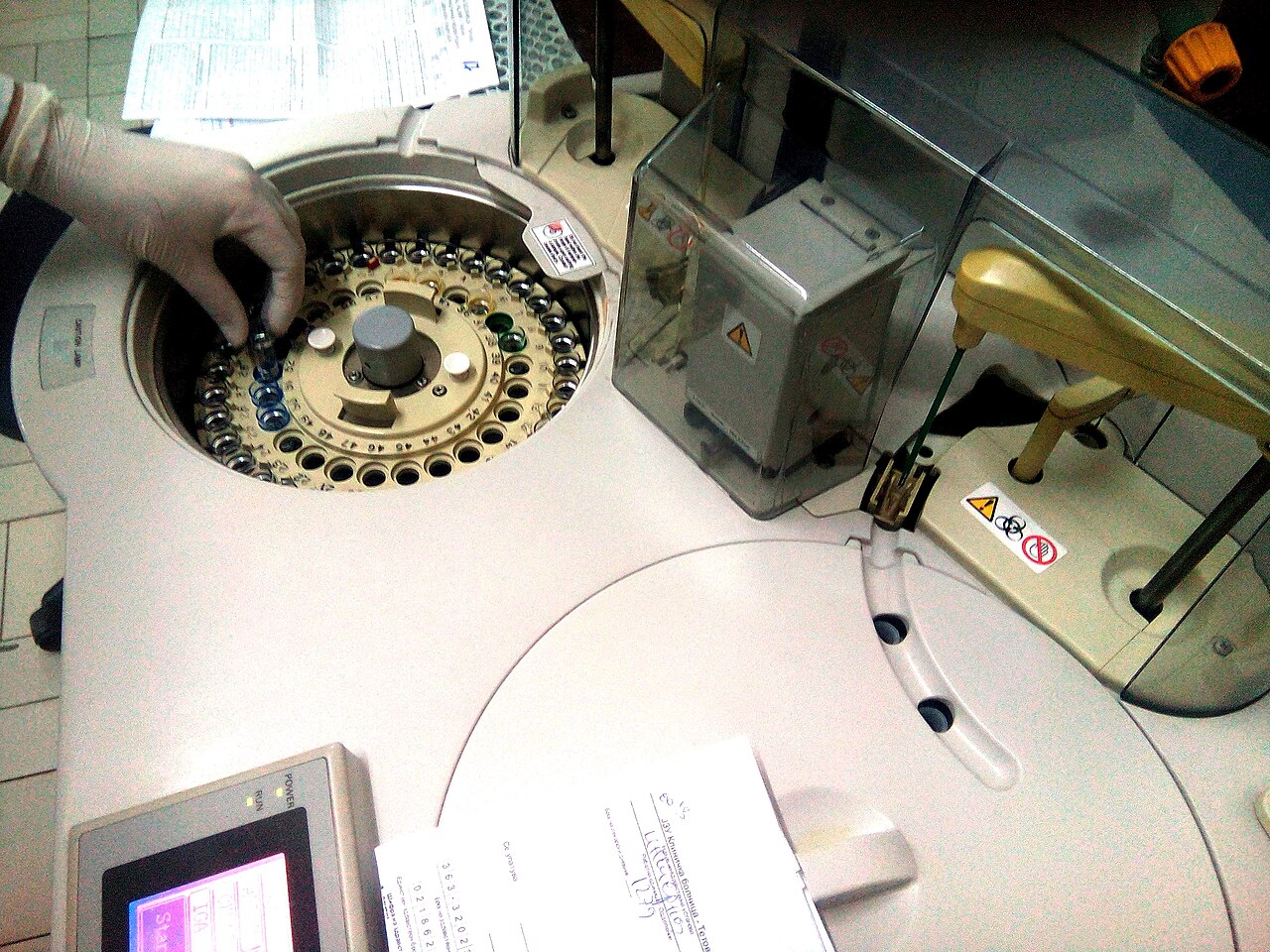
Creatine use can raise serum creatinine because creatinine is a breakdown product. That can affect how kidney function looks on some routine calculations without necessarily indicating kidney damage. Kidney monitoring and prostate monitoring are separate issues, but both show why supplement disclosure matters.
Bring the dose, product and timing to clinicians rather than reporting only that a sports supplement is used.
Use evidence proportional to the question
Creatine monohydrate has strong evidence for certain performance outcomes, but those benefits do not answer prostate questions. Existing human data do not show that standard creatine enlarges the prostate or causes prostate cancer.
They also do not justify a claim of guaranteed long-term prostate safety. Men with urinary symptoms, abnormal PSA or active cancer care should review use with the treating clinician instead of relying on gym folklore in either direction.
Form and dose still matter
Most performance evidence and the newer androgen trial involve creatine monohydrate, the most studied form. Buffered products, creatine salts and multi-ingredient pre-workouts may contain different amounts or stimulants that create separate urinary and sleep effects. A result for five grams of monohydrate should not be assigned to an undisclosed proprietary blend.
Loading protocols often use about 20 grams daily for several days before a maintenance dose. The rugby study included a loading phase, while the 2025 trial used a steady five grams daily. That design difference is one reason results cannot be compared through a single yes-or-no claim. Men who choose creatine can avoid unnecessary ambiguity by using a transparent single-ingredient product, documenting the dose and telling clinicians before laboratory testing. That approach does not prove prostate safety, but it makes interpretation more reliable.
Symptoms deserve their own evaluation
If urinary frequency, weak stream or pelvic discomfort develops while someone uses creatine, timing alone does not prove causation. Training changes, caffeine-heavy pre-workouts, fluid intake and unrelated prostate or bladder conditions can all contribute. Pausing a nonessential supplement may be part of a review, but persistent symptoms still require assessment. A self-challenge should not become a substitute for evaluating infection, retention or another treatable cause.
The evidence boundary
Future safety research should include older men, longer follow-up, urinary symptom scores, PSA context and clearly recorded prostate diagnoses. Until then, claims that creatine damages the prostate and claims that it is proven harmless for every man both go beyond the available human evidence.
Sources & further reading
This article provides educational information. Ask a qualified clinician or pharmacist about your symptoms, medical conditions, medicines and supplement interactions.